


Как оценить производителя тепловизионных камер: чек-лист для B2B-закупок
Finding a reliable thermal imaging camera manufacturer is an important decision for importers, distributors, OEM brands, and professional system integrators. Although many suppliers offer similar product specifications, their engineering capabilities, manufacturing processes, quality control systems, and technical support can differ significantly.
For B2B buyers, choosing a supplier should involve more than comparing detector resolution, lens configurations, or unit prices. A reliable manufacturing partner must understand the intended application, provide suitable product configurations, maintain consistent production quality, and offer technical support throughout the cooperation process.
Как оценить производителя тепловизионных камер: чек-лист для B2B-закупок
A thermal imaging camera is also more than an infrared detector. It is an integrated optoelectronic system involving optical components, electronic circuits, image processing, mechanical structures, and software functions. The manufacturer’s ability to coordinate these elements directly influences the suitability of the final equipment for professional applications.
This guide provides a practical thermal imaging camera manufacturer evaluation checklist to help international buyers assess supplier qualifications, engineering capabilities, manufacturing quality, customization options, documentation, and long-term cooperation potential.
1. Manufacturer vs. Distributor: Key Differences
Before evaluating a thermal imaging camera supplier, buyers should understand whether they are working directly with a manufacturer, an authorized distributor, or a trading company.
All three business models can serve legitimate procurement needs. However, their responsibilities, technical resources, and ability to respond to customized requirements may differ.
A distributor may provide local market coverage, product availability, and convenient after-sales communication. A trading company may consolidate different product categories and coordinate export transactions. A manufacturer, meanwhile, should be able to demonstrate direct involvement in product development, manufacturing, assembly, testing, or other clearly defined production processes.
For buyers planning long-term distribution or OEM cooperation, understanding this distinction helps reduce communication gaps and supplier-related risks.
Key differences to evaluate
| Evaluation Factor | Manufacturer | Distributor or Trading Company |
|---|---|---|
| Product development | May have direct engineering and R&D capabilities | Usually depends on upstream manufacturers |
| Product configuration | Can provide direct engineering input when capabilities are available | Depends on the manufacturer’s support |
| Manufacturing process | Can demonstrate relevant production and assembly operations | Usually has limited direct involvement |
| Quality control | May operate incoming inspection, assembly testing, and final inspection | Depends on upstream quality systems |
| OEM/ODM cooperation | May support product development and customization | Usually coordinates requests with manufacturers |
| Technical communication | Can communicate directly with relevant engineering teams | May require communication through another party |
| Production planning | Has direct visibility into its own manufacturing operations | Depends on supplier arrangements |
How can buyers verify a manufacturer’s identity?
Do not rely exclusively on the word “manufacturer” in a company profile or product listing. Ask for evidence that demonstrates the company’s actual involvement in production and engineering.
Useful verification methods include:
- Requesting a factory introduction and production facility photographs.
- Reviewing the company’s R&D and engineering capabilities.
- Asking which production and testing processes are performed in-house.
- Requesting product-specific quality inspection information.
- Arranging a factory visit or live video inspection when appropriate.
- Confirming whether customization requests are handled by internal engineers or external partners.
It is also important to understand the manufacturer’s supply chain. A genuine equipment manufacturer may source infrared detectors, optical components, electronic parts, or other specialized components from qualified suppliers while performing system integration, calibration, assembly, and final testing internally.
The objective is not to require every component to be manufactured in one facility. Instead, buyers should understand who controls the critical engineering, production, and quality processes.
2. In-House R&D and Engineering Capabilities
A thermal imaging camera manufacturer should have engineering capabilities that go beyond assembling purchased components.
Professional thermal imaging equipment requires coordination between optical design, infrared detection, electronic hardware, image processing, and mechanical engineering. When these elements are not properly matched, the final system may not meet the customer’s actual application requirements.
For this reason, evaluating a manufacturer’s R&D structure is particularly important for OEM brands, equipment manufacturers, and system integrators.
Five engineering capabilities worth checking
1. Optical system design
Optical engineering determines how the infrared lens and other optical components work together to meet the intended observation requirements.
Ask whether the supplier can evaluate focal length, field of view, optical transmission, distortion, and lens configuration for different applications.
2. Hardware development
The electronic hardware platform connects the detector, processing components, power supply, display, and external interfaces.
A capable engineering team should understand hardware configuration, circuit design, power management, and interface integration.
3. Image processing
Thermal image quality depends not only on the detector but also on image-processing algorithms and display optimization.
Ask whether the manufacturer develops or adjusts image enhancement, noise reduction, image sharpening, color palettes, and other supported imaging functions.
4. Laser ranging and data integration
Some professional thermal imaging systems combine infrared imaging with laser ranging, digital information overlays, positioning data, or external communication interfaces.
For these projects, buyers should check whether the manufacturer can coordinate the thermal imaging and ranging subsystems.
5. System integration
System integration is particularly important when equipment must work with external displays, other optical sensors, communication devices, or customer-developed platforms.
A supplier with relevant integration experience can help identify compatibility requirements before production begins.
How does JOVSTAR approach R&D?
JOVSTAR’s engineering platform includes four in-house laboratories:
- Optical Design Laboratory
- Circuit Engineering Laboratory
- Image Processing Laboratory
- Ranging Algorithm Laboratory
These laboratories support optical simulation, hardware configuration, image enhancement, ranging algorithms, and system-level engineering.
For buyers, this is relevant because customization may involve several connected components rather than a single product specification.
You can learn more about the company’s engineering capabilities on the JOVSTAR Technology page.
When evaluating other thermal imaging camera companies, ask for specific examples of engineering work, available customization options, and the process used to validate new configurations.
Как оценить производителя тепловизионных камер: чек-лист для B2B-закупок
3. Detector and Optical System Configuration
A supplier should be able to explain how its thermal imaging products are configured for different observation tasks.
However, buyers should not evaluate equipment only by looking at one parameter, such as detector resolution or lens focal length. The complete configuration must match the application, operating environment, and intended equipment format.
What should buyers verify?
| Configuration Area | Information to Request | Why It Matters |
|---|---|---|
| Infrared detector | Detector type, resolution, and pixel pitch | Confirms the imaging platform |
| Thermal sensitivity | NETD value and test conditions | Helps evaluate sensitivity to temperature differences |
| Optical lens | Focal length, F-number, and field of view | Determines optical configuration and scene coverage |
| Imaging performance | Frame rate and supported image-processing functions | Helps assess image presentation |
| Display | Display type and resolution | Confirms viewing requirements |
| System functions | Digital zoom, ranging, recording, or communication options | Identifies available functions |
| Mechanical structure | Dimensions, weight, and mounting arrangements | Supports equipment integration |
| Power supply | Voltage and consumption requirements | Confirms electrical compatibility |
One important point is that a manufacturer should distinguish between standard product configurations and optional or customized specifications.
For example, a particular model may support laser ranging, while another model in the same product family may not. Similarly, an available detector resolution or lens configuration should not automatically be assumed to apply to every model.
Evaluate the manufacturer’s product range
A supplier with several thermal imaging product formats may be better positioned to support different purchasing requirements.
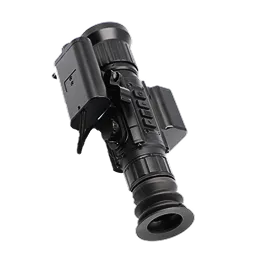
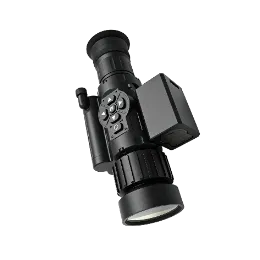
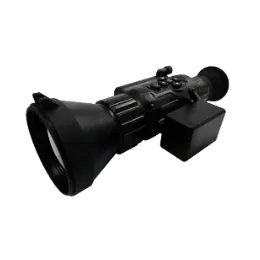
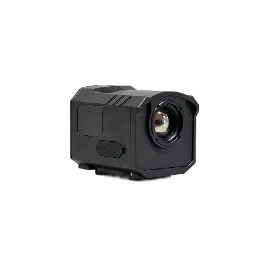
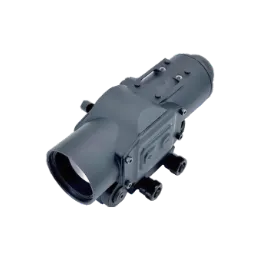
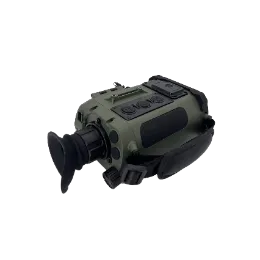
JOVSTAR’s current thermal imaging camera portfolio includes:
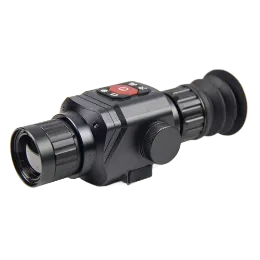
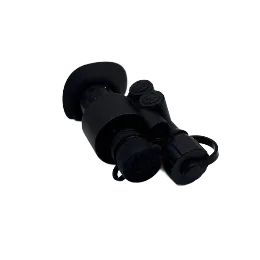
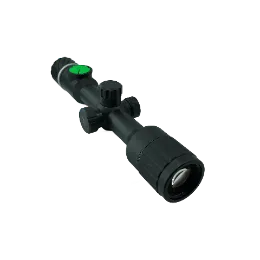
- Тепловизионные прицелы
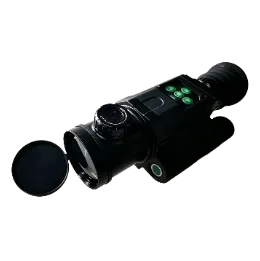
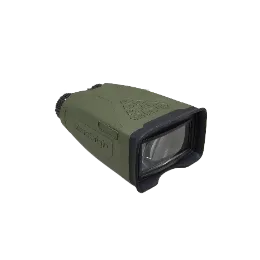
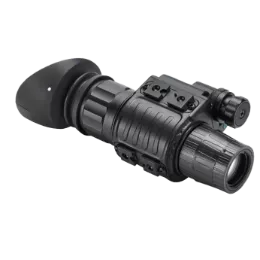
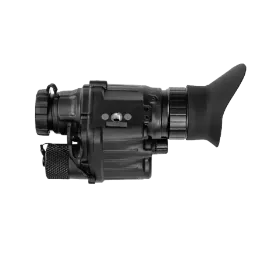
- Handheld Thermal Imaging Monoculars
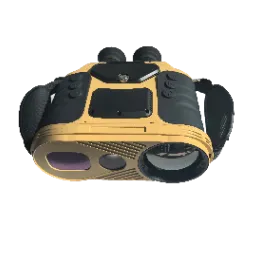
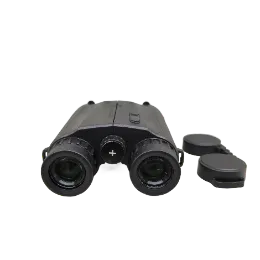
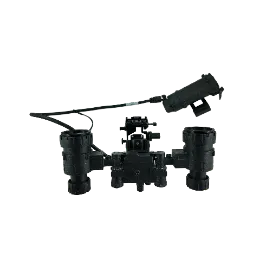
- Multi-functional Binocular Cameras
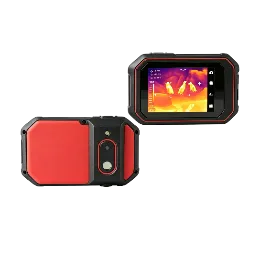
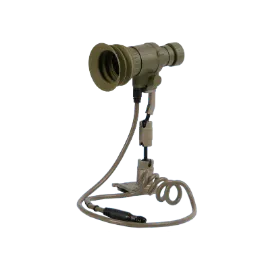
- Pocket Thermal Imaging Thermometers
These products serve different observation and inspection requirements.
For example, professional observation projects may require a thermal imaging scope or handheld monocular, while applications requiring multiple integrated observation functions may be better suited to a binocular system.
Industrial inspection buyers may instead need a radiometric thermal imaging thermometer with temperature measurement and data storage functions.
Explore the JOVSTAR Thermal Imaging Camera product range to review available product categories and configurations.
The important procurement question is whether the supplier can recommend a suitable configuration based on your application rather than simply offering the most expensive model.
4. Manufacturing and Quality Control
Manufacturing quality is one of the most important factors when selecting a thermal imaging camera manufacturer for repeated purchases.
A product may perform well during an initial demonstration but encounter problems when produced in larger quantities. Differences in component quality, assembly accuracy, calibration, and software configuration can affect consistency between individual units.
For distributors and OEM buyers, inconsistent products may lead to customer complaints, replacement costs, delayed deliveries, and damage to business relationships.
A reliable supplier should therefore have clearly defined quality control procedures throughout production.
Key manufacturing stages to evaluate
Incoming component inspection
The manufacturer should have procedures for checking incoming components before they enter the production process.
Relevant inspection items may include component identification, specifications, appearance, and conformity with purchasing requirements.
Precision assembly
Thermal imaging equipment combines optical, electronic, and mechanical components.
Assembly accuracy is important because component positioning, structural stability, and optical alignment can influence overall system performance.
System calibration
After assembly, relevant equipment should undergo calibration and configuration according to the product’s technical requirements.
Buyers should ask which calibration procedures apply to the selected model and whether the results are recorded.
Functional and performance testing
The finished equipment should be checked for its relevant functions, including image display, control operation, power supply, interfaces, and optional functions.
Final inspection
Before shipment, finished units should undergo final inspection to confirm that the approved configuration and agreed quality requirements have been met.
Questions to ask about manufacturing quality
- Is incoming component inspection performed?
- Are optical and electronic assemblies calibrated?
- Is every finished unit functionally tested?
- Are production configurations recorded?
- How are defective components or assemblies handled?
- Can the supplier provide inspection records or test reports?
- How does the manufacturer maintain consistency between sample and bulk production?
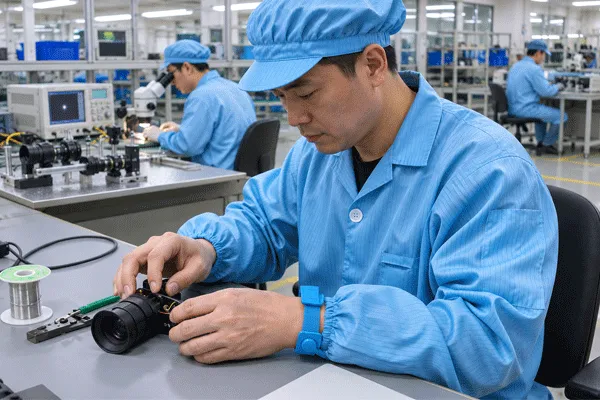
JOVSTAR operates an integrated optoelectronic facility combining R&D, optical laboratory resources, environmental reliability testing, and precision manufacturing.
Its manufacturing processes include optical and system design, hardware and software development, precision assembly, calibration, and performance verification.
The company also describes quality control from incoming component inspection and sub-assembly calibration through full-system testing and final inspection.
For more information, visit the JOVSTAR Factory and Manufacturing Capabilities page.
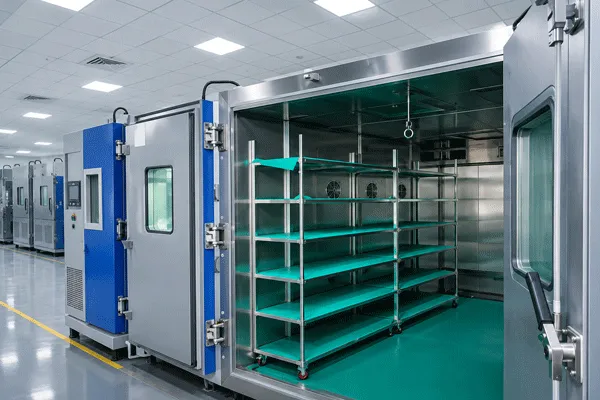
5. Environmental and Reliability Testing
Thermal imaging equipment is frequently used in outdoor environments where temperature changes, humidity, vibration, dust, and water exposure may affect product performance.
For professional buyers, environmental reliability should be considered before placing a bulk order, especially when the equipment will be deployed in demanding operating conditions.
However, a supplier’s ability to perform a particular test should not automatically be interpreted as proof that every product model has passed that test.
Buyers should request model-specific test information.
Environmental tests worth reviewing
| Test Category | What It Evaluates | What Buyers Should Confirm |
|---|---|---|
| High-temperature testing | Equipment operation under elevated temperatures | Test temperature, duration, and functional results |
| Low-temperature testing | Startup and operation in cold conditions | Temperature limits and test procedure |
| Temperature cycling | Performance during temperature changes | Cycling conditions and inspection results |
| Vibration testing | Mechanical stability during vibration | Test profile and equipment condition |
| Drop and impact testing | Resistance to specified mechanical impacts | Test method and applicable product configuration |
| Humidity testing | Performance under humid conditions | Relative humidity and exposure duration |
| Water and dust protection | Enclosure protection against environmental ingress | Applicable IP rating and supporting documentation |
| Salt spray testing | Resistance to corrosive salt exposure | Test method and results |
| Aging and endurance testing | Performance during extended operation | Test duration and observed failures |
Why does environmental testing matter?
A product intended for portable field observation may have different environmental requirements from a thermal imaging system designed for permanent installation.
For example:
- Handheld equipment may require mechanical durability and battery reliability.
- Outdoor observation equipment may need suitable protection against moisture and dust.
- Maritime applications may require additional consideration of salt spray and corrosion.
- Integrated systems may need to withstand vibration and temperature changes associated with their installation platform.
JOVSTAR’s environmental reliability test center supports high- and low-temperature testing, vibration, humidity, salt spray, water and dust protection, impact, and aging tests.
The factory page also identifies high/low-temperature testing from -40°C to +60°C as part of its testing capabilities.
When discussing a project with the manufacturer, ask which tests apply to the selected product, what the acceptance criteria are, and whether supporting reports can be provided.
This approach provides a more reliable basis for evaluating product suitability than relying on general claims such as “all-weather performance.”
Как оценить производителя тепловизионных камер: чек-лист для B2B-закупок
6. Sample Testing Before Bulk Orders
Requesting samples before a large purchase is an important step for international distributors, importers, and OEM customers.
A sample allows buyers to verify whether the proposed equipment meets their actual requirements before committing to larger quantities.
However, sample evaluation should follow an agreed procedure. Simply switching on a device and checking whether an image appears is not sufficient for professional procurement.
Step 1: Confirm the sample configuration
Before ordering samples, confirm the exact model and configuration.
The sample should reflect the intended production version as closely as possible, including the detector, lens, display, software functions, interfaces, accessories, and mechanical structure.
If the sample uses different components from the proposed bulk-production configuration, the difference should be documented.
Step 2: Define acceptance criteria
Buyers should prepare a written list of requirements before testing.
Depending on the equipment, this may include:
- Confirmed detector and lens configuration.
- Required image display and processing functions.
- Supported control and adjustment functions.
- Power supply and operating time.
- Video or communication interfaces.
- Mechanical dimensions and mounting compatibility.
- Environmental operating requirements.
- Required accessories and documentation.
The acceptance criteria should be based on the confirmed product specification rather than assumptions about optional functions.
Step 3: Conduct application-based testing
Test the equipment under conditions that reflect the intended application.
For observation equipment, evaluate image presentation, control functions, and operational convenience.
For industrial temperature inspection equipment, verify the measurement functions against appropriate reference conditions and agreed accuracy requirements.
For integrated systems, check compatibility with the customer’s existing hardware and software.
Step 4: Record test results
A structured sample evaluation report should include:
- Product model and configuration.
- Sample identification and software version, where applicable.
- Test environment and conditions.
- Evaluation items and acceptance criteria.
- Test observations and results.
- Identified issues or deviations.
- Required adjustments and approval status.
Step 5: Confirm sample-to-production consistency
Before placing a bulk order, clarify whether the approved sample configuration will be maintained during production.
Changes to detectors, lenses, electronics, software, or mechanical components should be communicated and approved according to an agreed change-control process.
This is particularly important for distributors and private-label brands that need consistent product specifications across repeated orders.
7. Technical Documentation and Compliance Support
Technical documentation is another important factor when evaluating a thermal imaging camera supplier.
For B2B procurement, documentation supports product evaluation, internal approval, installation, maintenance, customs procedures, and destination-market compliance reviews.
A manufacturer should be able to explain which documents are available for the exact product model and which documents require additional project arrangements.
Documents buyers should request
| Document | Procurement Purpose |
|---|---|
| Product Datasheet | Confirms specifications and product configuration |
| User Manual | Explains operation, maintenance, and basic troubleshooting |
| Installation Guide | Supports equipment installation and integration |
| Wiring or Interface Documentation | Helps verify electrical and communication connections |
| Quality Inspection Report | Records relevant inspection results |
| Environmental Test Report | Provides evidence of applicable environmental testing |
| Calibration Information | Supports verification of relevant calibration requirements |
| SDK or Interface Documentation | Supports software integration where applicable |
| Warranty Documentation | Defines warranty coverage and service conditions |
What about international certifications?
Certification requirements depend on the destination market, product type, intended use, and applicable regulations.
Importers should identify the documents required in their target country before finalizing the order.
For example, a buyer may need to review electrical safety, electromagnetic compatibility, environmental protection, or other applicable requirements.
Do not assume that a general company certificate automatically covers every thermal imaging product or every export market.
Instead, ask the supplier to identify the certifications and test documents available for the specific model.
JOVSTAR’s project documentation support
JOVSTAR states that project deliveries can include technical specifications, test reports, operation manuals, and SDK interface documentation where applicable.
For customized projects, documentation requirements should be discussed during the technical proposal stage rather than after production has been completed.
This helps ensure that the engineering team understands the buyer’s integration and delivery expectations.
8. After-Sales Service and Long-Term Cooperation
Selecting a thermal imaging camera manufacturer should be considered a long-term business decision, not simply a one-time purchasing transaction.
For importers and distributors, product quality is only one part of the supplier relationship. Technical communication, spare-part availability, troubleshooting, warranty arrangements, and production continuity can also influence long-term business performance.
Five areas to evaluate
1. Technical response capability
Ask whether the supplier has technical personnel who can respond to product configuration, installation, and troubleshooting questions.
For complicated projects, direct communication with relevant engineering personnel can help reduce unnecessary delays.
2. Warranty and repair arrangements
Clarify warranty duration, coverage, repair procedures, transportation responsibilities, and the process for handling defective products.
These terms should be documented in the commercial agreement.
3. Spare parts and maintenance
For products with replaceable components or accessories, confirm the availability of relevant spare parts and maintenance support.
4. Software and configuration management
For products with embedded software or configurable functions, ask how firmware updates, configuration changes, and product revisions are communicated.
This is particularly important for customers managing multiple devices across different production batches.
5. Long-term production and cooperation planning
Distributors and OEM brands should discuss expected purchasing volumes, production lead times, product configuration consistency, and future customization requirements.
A manufacturer that understands the buyer’s business model can better coordinate product development and supply planning.
JOVSTAR’s OEM/ODM service includes a defined project process covering requirements and technical proposals, development and validation, production and documentation, and lifecycle technical support.
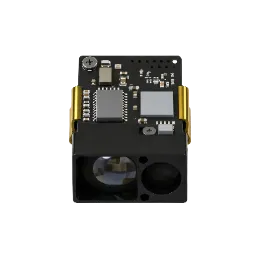
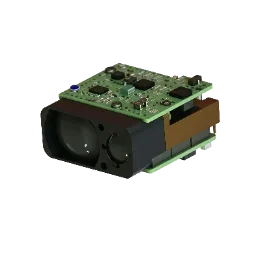
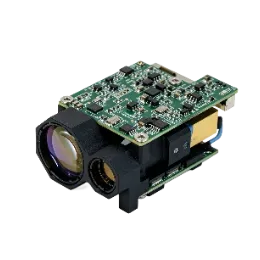
Its customization capabilities include optical modules, infrared imaging configurations, hardware and interfaces, laser ranging integration, algorithms, and software functions.
Learn more about JOVSTAR OEM and ODM Services to understand its project cooperation approach.
A practical B2B thermal imaging camera procurement checklist
Before confirming a supplier, buyers can use the following checklist:
| Evaluation Item | Questions to Confirm |
|---|---|
| Manufacturer identity | Can the supplier demonstrate its actual manufacturing and engineering involvement? |
| R&D capabilities | Are relevant optical, hardware, imaging, and integration resources available? |
| Product portfolio | Does the supplier offer equipment suitable for the intended application? |
| Technical specifications | Are the model-specific specifications complete and consistent? |
| Manufacturing quality | Are assembly, calibration, and final inspection procedures defined? |
| Environmental testing | Are relevant test capabilities and product-specific reports available? |
| Sample validation | Has the proposed configuration passed the agreed evaluation? |
| Documentation | Can the supplier provide the required technical and compliance documents? |
| Customization | Can the supplier support the required hardware, software, or integration changes? |
| After-sales service | Are warranty, technical support, spare parts, and maintenance arrangements clear? |
| Commercial terms | Are price, lead time, MOQ, payment, packaging, and delivery terms confirmed? |
A supplier that can answer these questions with clear documentation and practical engineering support is generally easier to evaluate than one relying primarily on product descriptions and promotional claims.
Conclusion: Choose a Manufacturing Partner That Supports Your Long-Term Business
Selecting a thermal imaging camera manufacturer requires a structured evaluation of more than product specifications and purchase prices.
For international B2B buyers, the most important considerations include genuine manufacturing involvement, engineering resources, quality control, environmental testing, sample validation, technical documentation, customization capabilities, and after-sales support.
A supplier that understands these requirements can help importers, distributors, OEM brands, and system integrators reduce procurement uncertainty and develop more consistent product programs.
JOVSTAR develops and manufactures professional optoelectronic observation equipment, including thermal imaging scopes, handheld thermal imaging cameras, multi-functional binocular systems, and thermal imaging thermometers.
With in-house optical, circuit engineering, image processing, and ranging algorithm laboratories, together with integrated manufacturing and environmental reliability testing capabilities, JOVSTAR supports standard product supply and project-level customization.
Looking for a thermal imaging camera manufacturer for your next procurement or OEM project?
Contact JOVSTAR with your application, preferred product type, technical requirements, estimated order quantity, and target delivery schedule. Our team can review your requirements and discuss suitable product configurations or customized solutions.
Explore JOVSTAR Thermal Imaging Cameras
Часто задаваемые вопросы
How can I identify a reliable thermal imaging camera manufacturer?
Start by checking the company's manufacturing facilities, engineering capabilities, product portfolio, quality control procedures, and technical documentation. Request product samples and relevant test records before placing a bulk order. A reliable supplier should also be able to explain which processes are performed in-house and which components are sourced externally.
What documents should a thermal imaging camera supplier provide?
Common documents include product datasheets, user manuals, installation instructions, quality inspection records, applicable environmental test reports, and warranty information. SDK or interface documentation may also be required for integrated projects. Certification documents should be confirmed according to the specific model and destination market.
Should I request a sample before placing a bulk order?
Yes. Sample testing helps verify the actual product configuration, image performance, functions, interfaces, and application compatibility. Before testing, agree on the product specifications and acceptance criteria. Also confirm that the approved sample configuration will be maintained during bulk production.
Can a thermal imaging camera manufacturer support OEM and ODM projects?
Some manufacturers provide OEM manufacturing and ODM development. Depending on their engineering capabilities, customization may include optical modules, infrared detector configurations, hardware interfaces, mechanical structures, image processing, software functions, and product branding. Buyers should confirm technical feasibility, development costs, MOQ, and delivery schedules for each project.
What is the difference between a thermal imaging camera manufacturer and a supplier?
A manufacturer is directly involved in defined production or engineering activities, while a supplier is a broader term that may include manufacturers, distributors, and trading companies. Buyers should verify the actual business model and determine who is responsible for manufacturing quality, customization, technical support, and warranty service.
Need Help Choosing the Right Product?
Tell us your application, target and operating conditions. The JOVSTAR engineering team will recommend a configuration and prepare a quote.
Запросить коммерческое предложение