
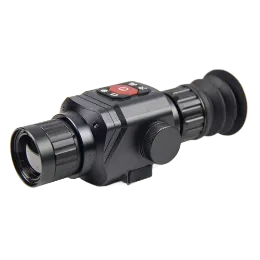
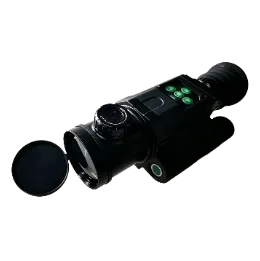
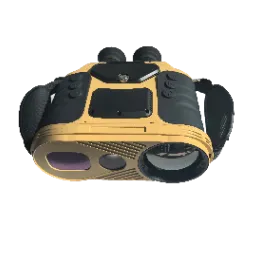
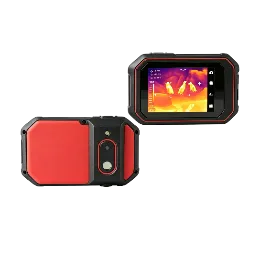
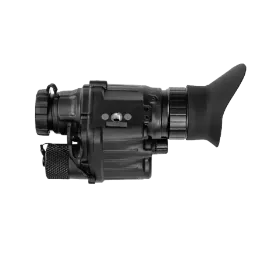
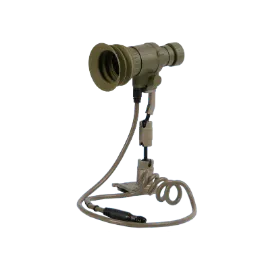
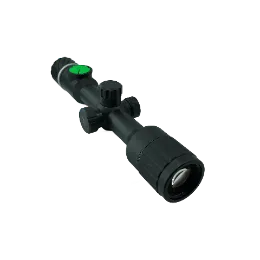
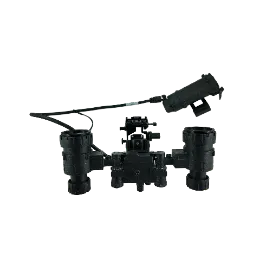


How to Plan a Thermal Imaging System for Industrial Perimeter Monitoring
Industrial facilities, energy infrastructure, ports, warehouses, and other large sites often require continuous security monitoring beyond normal daylight hours. Traditional visible-light cameras can provide useful images, but their performance may be affected by insufficient illumination, glare, shadows, and changing weather conditions.
A thermal imaging system offers another approach by detecting infrared radiation emitted by objects and presenting temperature-related image information. Unlike conventional visible-light cameras, thermal imaging does not depend on reflected visible light to form an image. This makes it a valuable technology for monitoring outdoor areas in darkness and other challenging visibility conditions.
How to Plan a Thermal Imaging System for Industrial Perimeter Monitoring
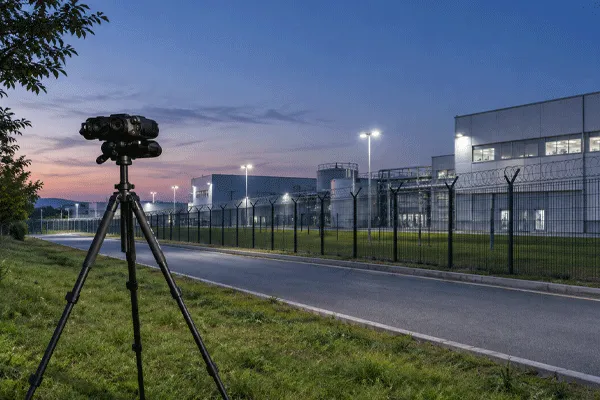
However, installing thermal cameras around a facility is not simply a matter of choosing a model with a long detection distance. A successful perimeter monitoring project requires careful planning of the site layout, observation zones, camera coverage, optical configurations, environmental conditions, communication infrastructure, and system integration requirements.
For security contractors, system integrators, and infrastructure project buyers, the objective should be to develop a monitoring arrangement that provides suitable coverage of important areas while minimizing blind spots and unnecessary equipment costs.
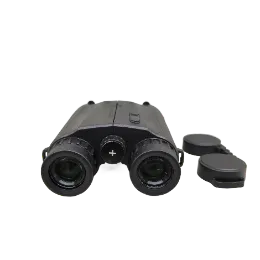
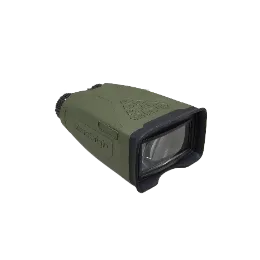
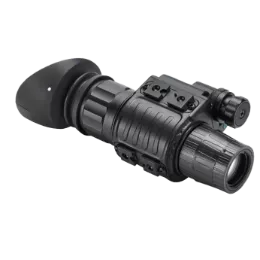
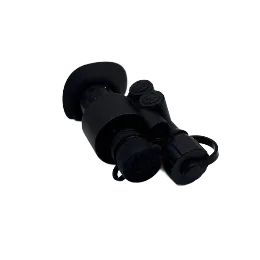
As an optoelectronic equipment manufacturer and solution provider, JOVSTAR develops thermal imaging cameras, night vision equipment, laser ranging products, and integrated observation technologies. Its engineering capabilities cover optical design, infrared imaging, image processing, ranging algorithms, and system-level integration.
This guide explains how to plan a thermal imaging system for industrial perimeter monitoring, from the initial site survey to equipment selection, coverage evaluation, and project implementation.
1. Define the Security Objectives of a Perimeter Monitoring Project
Before selecting thermal imaging equipment, project teams should establish what the monitoring system needs to accomplish.
Different facilities have different security priorities. A large industrial warehouse may need to monitor its external boundary, while an energy facility may require additional observation of equipment areas, access roads, and restricted zones.
Without clearly defined objectives, buyers may select equipment based on individual specifications rather than the actual requirements of the site.
Identify the areas that require monitoring
The first step is to identify the main areas that need observation.
Typical monitoring areas include:
- External facility boundaries and perimeter fences.
- Main entrances and vehicle access points.
- Outdoor storage and material handling areas.
- Critical equipment installations.
- Open yards and loading areas.
- Remote infrastructure and access roads.
- Restricted areas surrounding important facilities.
Not every area requires the same level of monitoring. Some locations may require continuous observation, while others may only need periodic monitoring or additional coverage during specific operating periods.
Define the required observation tasks
Buyers should also determine what information the system is expected to provide.
Common requirements include:
Movement detection: Identifying the presence of a moving heat signature within a monitored area.
Target recognition: Distinguishing between general target categories, such as people, animals, and vehicles, when the imaging conditions provide sufficient detail.
Target observation: Providing additional visual information for operators to assess a detected object.
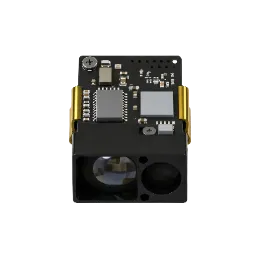
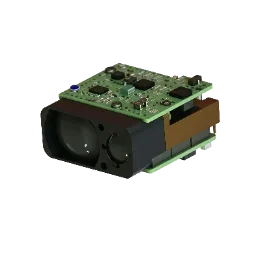
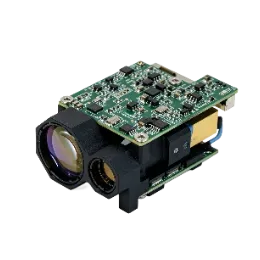
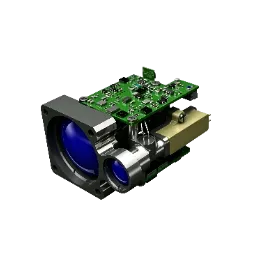
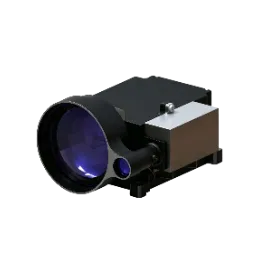
Distance measurement: Obtaining distance information through an integrated or independent laser rangefinder when required.
Continuous monitoring: Supporting observation over extended operating periods and across different environmental conditions.
These tasks may require different equipment configurations and system functions.
Establish project performance requirements
Before requesting quotations, prepare a basic project requirement document.
| Требование | Information to Define |
|---|---|
| Site Type | Industrial park, energy facility, port, warehouse, or infrastructure site |
| Monitoring Area | Total area and important observation zones |
| Дистанция наблюдения | Normal and maximum required observation distances |
| Target Types | People, vehicles, animals, or other relevant objects |
| Observation Tasks | Detection, recognition, and visual assessment |
| Operating Schedule | Daytime, nighttime, or continuous operation |
| Условия окружающей среды | Temperature, humidity, rain, fog, dust, and wind |
| Дополнительные функции | Visible-light imaging, night vision, laser ranging, and positioning |
| Integration Requirements | Power, communication, display, and data interfaces |
Defining these requirements at the beginning helps the manufacturer recommend suitable equipment rather than simply offering the longest-range camera available.
2. Conduct a Site Survey Before Selecting Thermal Imaging Equipment
A site survey is an essential part of thermal imaging system planning.
The physical characteristics of a monitoring location directly influence equipment placement, optical configuration, and the amount of coverage that can be achieved.
A thermal camera with suitable specifications may still provide insufficient coverage if it is installed in an unsuitable location or directed toward an area with significant visual obstruction.
Evaluate the physical layout
During the site survey, project teams should identify:
- Facility boundaries and perimeter dimensions.
- Building locations and structural obstacles.
- Existing observation towers or mounting structures.
- Roads, entrances, and vehicle routes.
- Open areas and areas with restricted visibility.
- Potential equipment installation locations.
- Available power and communication infrastructure.
The survey should include drawings, photographs, and relevant site measurements wherever possible.
These materials help engineers understand the physical environment before preparing an equipment proposal.
Identify potential coverage obstacles
Outdoor thermal imaging performance can be influenced by obstacles between the camera and the monitored area.
Examples include:
- Buildings and walls.
- Trees and dense vegetation.
- Large equipment structures.
- Terrain elevation changes.
- Fences and other physical barriers.
Thermal imaging cannot see through solid walls, opaque barriers, or ordinary glass. Therefore, the equipment installation position must provide a suitable observation path toward the intended monitoring area.
Vegetation should also be considered because moving branches and leaves may obstruct observation or produce changing background patterns.
Consider the monitoring environment
The same thermal camera may perform differently depending on the environment.
Important factors include:
Temperature contrast: The thermal difference between a target and its background influences how clearly the target can be observed.
Humidity and precipitation: Rain, fog, and high humidity can reduce infrared transmission and affect practical observation performance.
Background conditions: Sun-heated structures, machinery, and surrounding surfaces may create thermal patterns that influence target assessment.
Ambient lighting: Visible-light and low-light cameras may require additional consideration when used alongside thermal imaging.
A proper site survey should therefore consider both the physical layout and expected operating conditions.
3. Divide the Perimeter into Different Monitoring Zones
Large facilities should not be treated as one continuous observation area.
Dividing the site into monitoring zones makes it easier to define equipment requirements, identify observation priorities, and plan system integration.
A zone-based approach also helps buyers evaluate which locations need more detailed imaging and which areas can be monitored using broader observation configurations.
Zone A: External Boundary Monitoring
The external boundary is often the first area considered in a perimeter monitoring project.
Its purpose is to provide observation of the facility boundary and identify relevant activity in the surrounding area.
Important planning factors include:
- Total boundary length.
- Terrain and elevation changes.
- Distance from the observation position.
- Available mounting locations.
- Expected target dimensions.
- Required observation continuity.
Long boundaries may require multiple observation positions rather than relying on a single camera to cover the entire area.
Zone B: Access and Entrance Areas
Entrances, gates, and vehicle access roads may require additional observation attention.
These areas often involve more frequent movement and different target types.
A project may need to combine thermal observation with visible-light imaging to provide additional information about vehicles, people, and surrounding conditions.
The required configuration depends on the site’s operating procedures and security objectives.
Zone C: Critical Equipment Areas
Some facilities contain important outdoor equipment, storage installations, or restricted operating areas.
These locations may require more focused observation than general perimeter zones.
Buyers should consider:
- The dimensions of the monitored area.
- The required observation detail.
- The distance between equipment and monitoring positions.
- Existing infrastructure and installation limitations.
- Whether additional sensors are necessary.
Zone D: Remote or Difficult-to-Monitor Areas
Remote areas may require special consideration because they can be difficult to access for routine maintenance.
For these locations, equipment selection should account for environmental reliability, communication availability, power supply, and maintenance requirements.
Example monitoring zone planning table
| Monitoring Zone | Main Objective | Equipment Considerations |
|---|---|---|
| External Boundary | Observe relevant activity along the perimeter | Thermal imaging, suitable focal length, and coverage planning |
| Main Entrance | Monitor access and movement | Thermal and visible-light observation |
| Critical Equipment Area | Observe important outdoor installations | More focused imaging and optional additional sensors |
| Remote Area | Maintain observation in less accessible locations | Environmental protection, power, and communication |
| Access Road | Observe vehicle and pedestrian movement | Appropriate field of view and image presentation |
The number and configuration of thermal cameras should be determined after evaluating the entire site rather than applying a fixed camera quantity to every project.
4. Determine Thermal Camera Field of View and Coverage
Field of view is one of the most important optical parameters when planning thermal imaging coverage.
It determines how much of the surrounding area can be observed through a particular optical configuration.
For perimeter monitoring, the selected field of view should match the distance, target dimensions, and coverage requirements of each monitoring zone.
Understand the relationship between focal length and field of view
Фокусное расстояние и поле зрения тесно связаны.
Как правило:
- A shorter focal length provides a wider field of view.
- A longer focal length provides a narrower field of view.
- A wider field of view is useful for monitoring a larger surrounding area.
- A narrower field of view concentrates on a smaller observation area.
This creates an important planning consideration.
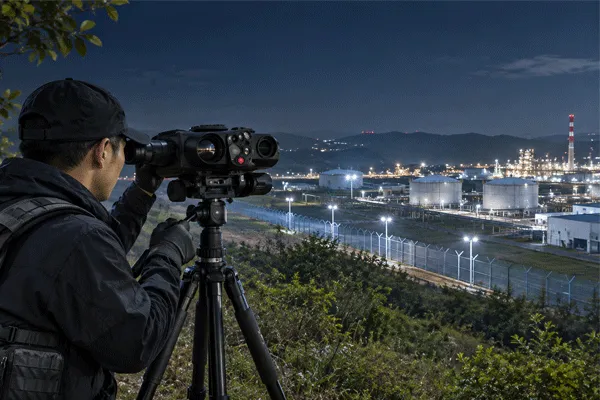
A camera designed for more focused long-distance observation may not be the most suitable option for monitoring a wide area close to the facility.
Similarly, a wide-angle configuration may cover more surrounding space but may not provide sufficient target detail at greater distances.
How to Plan a Thermal Imaging System for Industrial Perimeter Monitoring
Match optical configuration to monitoring requirements
When comparing thermal cameras, buyers should consider the following specifications:
| Оптический параметр | Importance for Perimeter Monitoring |
|---|---|
| Разрешение детектора | Influences the amount of image information available |
| Шаг пикселя | Affects the relationship between the detector and optical configuration |
| Фокусное расстояние | Influences observation angle and image scale |
| Поле зрения | Determines the visible monitoring area |
| NETD | Указывает на чувствительность к небольшим перепадам температур |
| Диафрагменное число | Описывает относительное отверстие оптики по отношению к фокусному расстоянию |
| Обработка изображений | Supports image presentation and visual assessment |
These parameters should be evaluated together.
A longer focal length does not automatically guarantee better monitoring performance. The final configuration must also account for the detector, target size, operating distance, and environmental conditions.
Plan coverage overlap and blind spots
When several thermal cameras are used across a large site, the relationship between adjacent observation areas should be considered.
Coverage overlap may be useful where continuous observation is important or where the terrain and structures create uncertain boundaries between monitored areas.
However, excessive overlap can increase equipment costs without providing meaningful additional value.
Project engineers should review the site layout and camera field-of-view information to identify potential gaps.
A coverage drawing should indicate:
- Proposed camera positions.
- Observation directions.
- Approximate monitored areas.
- Important target locations.
- Potential blind spots.
- Areas requiring additional observation.
The final design should be validated through on-site testing rather than relying only on theoretical coverage diagrams.
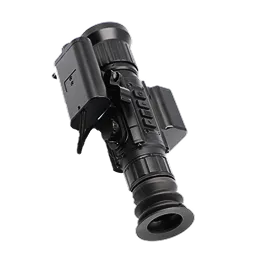
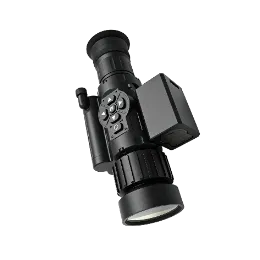
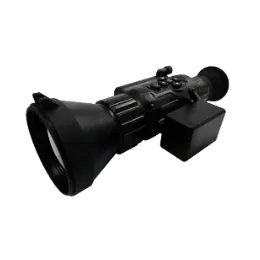
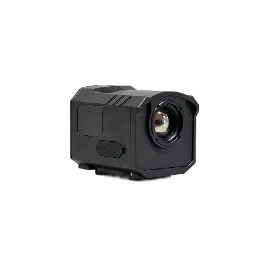
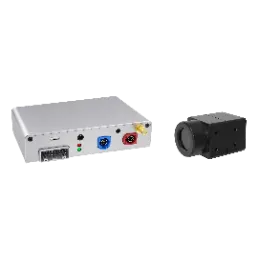
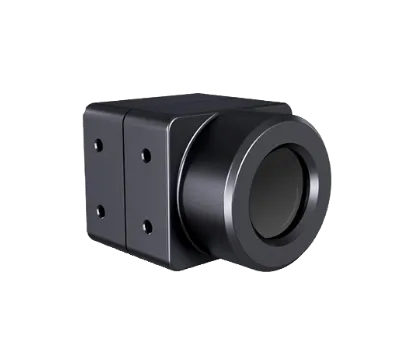
For additional optical configuration information, buyers can review JOVSTAR’s Thermal Imaging Camera product range.
5. Plan Camera Positions and Minimize Blind Spots
Camera positioning is closely connected to the physical layout and optical configuration of the monitoring system.
Even a camera with appropriate detector and lens specifications may not provide useful coverage when its installation position is unsuitable.
The purpose of installation planning is to provide an appropriate observation path toward the intended area while considering mounting stability, environmental exposure, and maintenance access.
Evaluate available installation positions
Common installation considerations include:
Existing observation structures: Buildings, towers, and other existing structures may provide suitable mounting opportunities.
Dedicated mounting points: Some projects may require new mounting structures based on the site layout and required observation directions.
Elevation: The installation height should provide an appropriate view of the monitored area while avoiding unnecessary obstruction.
Mechanical stability: Mounting structures should be evaluated for vibration, wind exposure, and long-term mechanical reliability.
Maintenance access: Equipment should be positioned so that inspection and servicing can be carried out safely and efficiently.
The final mounting arrangement should follow the project’s engineering requirements and applicable safety procedures.
Identify potential blind spots
Blind spots may occur because of:
- Buildings or other structural obstacles.
- Uneven terrain.
- Insufficient field of view.
- Incorrect observation direction.
- Inadequate coverage between adjacent monitoring areas.
- Changes in the site layout after installation.
A coverage review should be performed before equipment installation.
Where necessary, engineers can revise the installation position, adjust the optical configuration, or introduce additional observation equipment.
Consider overlapping observation functions
In some locations, a single thermal imaging channel may not provide all the information required by the project.
For example, thermal imaging may support heat-signature observation, while a visible-light camera provides additional scene details under suitable illumination.
A multi-sensor arrangement can therefore provide complementary observation information.
The exact sensor combination should be determined by the monitoring objectives rather than assuming that every location requires the same equipment.
6. Evaluate Environmental and Operational Requirements
Perimeter monitoring equipment may operate outdoors for extended periods.
Its performance and reliability therefore depend not only on the imaging specifications but also on environmental protection, mechanical design, power supply, and maintenance arrangements.
Temperature and humidity
Buyers should identify the expected operating temperature range for the deployment location.
Temperature requirements should be evaluated against the actual specifications of the selected equipment.
Humidity and moisture protection should also be considered, especially for locations exposed to frequent rainfall or high atmospheric moisture.
Rain, fog, and visibility conditions
Thermal imaging can provide observation information in darkness and under some challenging visibility conditions.
However, it should not be described as unaffected by weather.
Rain, fog, humidity, and atmospheric absorption can reduce infrared transmission and affect observation performance.
For projects in coastal, mountainous, or humid environments, the expected operating conditions should be included in the equipment selection and validation plan.
Dust, salt spray, and corrosion
Industrial and coastal facilities may expose equipment to dust, salt spray, and corrosive environmental conditions.
The required enclosure protection and material specifications should be confirmed for the selected model.
Where necessary, buyers should request relevant environmental test documentation.
Vibration and mechanical reliability
Equipment installed on outdoor structures may experience wind-induced vibration or mechanical movement.
The mounting structure, enclosure, and installation method should be evaluated together.
This is particularly important for long-term deployments where regular maintenance access may be limited.
Power and continuous operation
The project should also establish:
- Available power supply.
- Power consumption of each equipment component.
- Backup power requirements.
- Cable routing and protection.
- Communication availability.
- Maintenance intervals.
- Remote monitoring requirements, where supported.
JOVSTAR’s factory testing capabilities include high- and low-temperature testing, vibration, humidity, salt spray, water and dust protection, impact, and aging tests.
The factory identifies high- and low-temperature testing from -40°C to +60°C among its testing capabilities. Actual product suitability must still be confirmed against the specifications and test records applicable to the selected model.
Для получения дополнительной информации посетите JOVSTAR Factory and Testing Capabilities page.
7. Plan Power, Communication, and Data Interfaces
A thermal imaging system is not only an imaging device. It also requires suitable electrical and communication arrangements to support its intended operation.
For large perimeter monitoring projects, power and communication planning should be considered early in the design process.
Power supply planning
Each equipment component should have clearly defined power requirements.
The project team should confirm:
- Input voltage.
- Power consumption.
- Connector type.
- Cable requirements.
- Backup power arrangements.
- Expected operating duration.
For remote installation points, power availability may influence the choice of equipment location and the overall system architecture.
Communication interfaces
Thermal imaging equipment may need to connect with external displays, computers, data terminals, or other components.
Buyers should clarify the required interfaces before selecting the final hardware configuration.
Relevant considerations include:
- Video output.
- Data communication.
- Control interfaces.
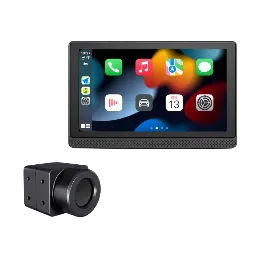
- External display connections.
- Recording and storage requirements.
- Wireless transmission, where supported.
Not every product supports every interface. Compatibility should be verified against the selected model and project requirements.
Data management
If the monitoring system needs to record or transfer observation information, buyers should establish how data will be handled.
This may include image recording, video storage, timestamp information, measurement data, and communication with external terminals.
Where multiple sensors are integrated, the project should also define how their information will be displayed and coordinated.
JOVSTAR’s engineering capabilities include hardware development, power supply configuration, data interfaces, system control, and communication protocol integration.
8. When Should Additional Sensors Be Integrated?
Thermal imaging provides valuable observation information, but some projects require additional sensors to support more detailed assessment.
The purpose of multi-sensor integration is to combine complementary information rather than simply increase the number of devices.
The appropriate configuration depends on the observation task, environmental conditions, and the amount of information required by the operator.
Thermal imaging and visible-light observation
Thermal imaging detects infrared radiation, while visible-light cameras capture reflected visible light.
These technologies provide different types of information.
Thermal imaging can help identify heat signatures in darkness, while visible-light imaging can provide additional scene details when illumination is sufficient.
Combining both technologies may help operators obtain a more complete view of an observation area.
However, visible-light performance still depends on available illumination and the camera’s imaging configuration.
Thermal imaging and low-light night vision
Low-light night vision uses available light to produce an image.
Depending on the equipment configuration, it may use image intensifier technology or digital low-light imaging.
When combined with thermal imaging, low-light night vision can provide additional visual information that complements thermal observation.
This can be useful when the project requires both heat-signature detection and additional visual observation.
The choice between digital night vision and image intensifier equipment should be based on the operating environment and required performance.
Laser ranging and target measurement
Laser ranging provides distance information for a target under specified measurement conditions.
When integrated with thermal imaging or visible-light observation equipment, ranging data can supplement the visual information available to the operator.
JOVSTAR supports laser ranging integration, including ranging module configuration, data overlay, communication protocols, and connection with external terminals.
Its multi-functional observation equipment also combines thermal imaging, visible-light imaging, laser ranging, and positioning functions.
Buyers should distinguish the measurement distance of the laser rangefinder from the detection and recognition performance of the thermal imaging system.
Multi-sensor integration planning
| Sensor or Function | Main Contribution | Project Consideration |
|---|---|---|
| Тепловизионная съемка | Detects infrared heat signatures | Detector, lens, and observation requirements |
| Камера видимого диапазона | Provides visible scene information | Available illumination and image detail |
| Ночное видение при слабом освещении | Supports observation in low illumination | Image intensifier or digital imaging configuration |
| Лазерный дальномер | Measures target distance | Ranging distance and interface compatibility |
| GPS/GNSS | Provides positioning information | Positioning requirements and system configuration |
| Цифровой компас | Provides directional information | Orientation and data integration |
Not every project requires all these components.
The system should be configured according to the information needed by the operator and the capabilities of the selected equipment.
For more information about JOVSTAR’s technical capabilities, visit the Optoelectronic R&D and Core Technologies page.
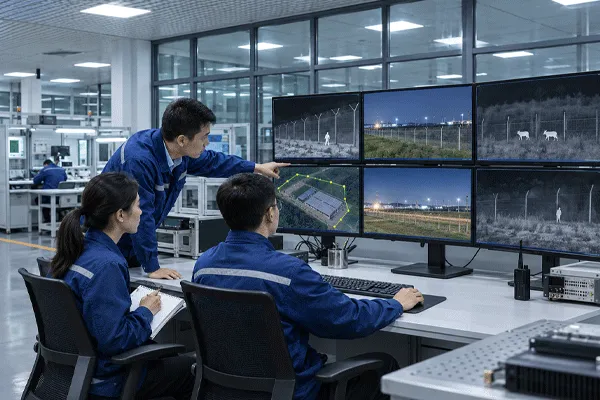
How to Plan a Thermal Imaging System for Industrial Perimeter Monitoring
9. Validate the Monitoring Coverage Through Field Testing
A thermal imaging system should not be approved solely on the basis of a technical proposal or theoretical coverage diagram.
Field testing helps confirm whether the installed equipment provides the required observation information under actual site conditions.
This stage is particularly important for large infrastructure projects where the physical environment may differ from the original drawings.
Step 1: Confirm equipment configuration
Before testing, verify that the installed equipment matches the approved configuration.
This includes the thermal detector, optical lens, software version, mounting structure, power supply, and required additional sensors.
Step 2: Check individual equipment functions
Each device should be checked independently.
Relevant items may include:
- Startup and shutdown.
- Thermal image display.
- Focus and image adjustment.
- Visible-light imaging, where applicable.
- Laser ranging, where applicable.
- Communication and data interfaces.
- Recording functions, where supported.
Step 3: Evaluate observation coverage
Test the actual observation areas identified in the project design.
Review whether the selected equipment can provide the required observation information at the agreed distances.
Record areas where structural obstacles, field-of-view limitations, or environmental conditions affect coverage.
Step 4: Test different operating conditions
Where practical, perform evaluations during different times of day and under representative environmental conditions.
Nighttime testing is particularly important for systems designed primarily for night surveillance.
If rain, fog, humidity, or temperature variation is relevant to the project, these conditions should be considered in the validation plan.
Step 5: Record results and make adjustments
A field test report should include:
| Test Item | Information to Record |
|---|---|
| Equipment Model | Confirmed product model and configuration |
| Installation Position | Actual mounting location |
| Оптическая конфигурация | Focal length and field of view |
| Test Distance | Actual observation distance |
| Target Characteristics | Target type and approximate dimensions |
| Условия окружающей среды | Temperature, weather, and visibility |
| Observation Results | Image quality and coverage findings |
| Integration Results | Communication and additional sensor functions |
| Required Adjustments | Changes needed before final acceptance |
The results should be compared with the agreed project requirements.
Where deficiencies are identified, the engineering team can evaluate whether changes to equipment positioning, optical configuration, or sensor integration are necessary.
10. What Should Buyers Prepare Before Requesting a Project Quotation?
A well-prepared project inquiry helps manufacturers evaluate the technical requirements more efficiently.
For thermal imaging system projects, providing only the total site area or desired detection distance is rarely sufficient.
The buyer should provide enough information for the engineering team to understand the application, physical layout, operating conditions, and required system functions.
Recommended project information
1. Site information
Provide the facility type, location, approximate area, boundary dimensions, and available site drawings.
2. Monitoring objectives
Explain which areas need observation and what the system is expected to detect or monitor.
3. Target requirements
Identify the target types, approximate dimensions, expected observation distances, and required observation tasks.
4. Environmental conditions
Describe expected temperatures, humidity, rain, fog, dust, and other relevant operating conditions.
5. Equipment preferences
If available, provide preferred thermal camera configurations, optical specifications, or equipment formats.
6. Additional sensor requirements
Clarify whether the project requires visible-light imaging, low-light night vision, laser ranging, positioning, or other integrated functions.
7. System interfaces
Provide available power supply information, communication requirements, external display arrangements, and relevant data interfaces.
8. Commercial and delivery requirements
Indicate the estimated equipment quantity, project schedule, customization requirements, and expected delivery arrangements.
Project inquiry checklist
| Category | Информация |
|---|---|
| Project Type | Industrial perimeter, energy facility, port, or infrastructure |
| Site Layout | Drawings, photographs, and boundary dimensions |
| Monitoring Zones | Areas requiring observation |
| Target Requirements | Target types and approximate sizes |
| Дистанция наблюдения | Normal and maximum required distance |
| Imaging Configuration | Detector, lens, and field of view |
| Additional Sensors | Visible light, night vision, laser ranging, positioning |
| Условия окружающей среды | Temperature, humidity, rain, fog, and dust |
| Installation | Mounting positions and structural limitations |
| Interfaces | Power, video, data, and communication |
| Project Schedule | Expected development and delivery timeline |
JOVSTAR’s engineering team can review these requirements and discuss suitable equipment configurations, optical options, system integration, and project-specific customization.
Conclusion: Build a Monitoring System Around the Site Requirements
Planning a thermal imaging system for industrial perimeter monitoring requires more than selecting individual cameras.
The site layout, observation objectives, monitoring zones, optical field of view, installation positions, environmental conditions, power supply, and communication interfaces all influence the final system configuration.
For larger projects, thermal imaging may also be combined with visible-light cameras, low-light night vision, laser ranging, and positioning functions to provide complementary observation information.
The most effective approach is to begin with a site survey, define the monitoring requirements, prepare a coverage plan, and then select equipment according to the actual project conditions.
JOVSTAR develops professional thermal imaging cameras, night vision equipment, laser ranging products, and integrated optoelectronic solutions for international customers.
Supported by optical design, circuit engineering, image processing, ranging algorithms, and system integration capabilities, JOVSTAR can work with security contractors, system integrators, and infrastructure project buyers to evaluate technical requirements and discuss suitable equipment configurations.
Discuss Your Night Surveillance and Perimeter Monitoring Project
Share your site layout, monitoring objectives, required observation distances, environmental conditions, and additional sensor requirements.
JOVSTAR’s engineering team can review your project information and discuss a suitable thermal imaging configuration and system integration approach.
Ознакомьтесь с тепловизионными камерами JOVSTAR
Discuss Your Night Surveillance Project
Часто задаваемые вопросы
Why use a thermal imaging system for industrial perimeter monitoring?
Thermal imaging detects infrared radiation rather than relying on reflected visible light. This allows it to provide observation information in darkness and other low-illumination conditions. It can complement visible-light and low-light observation technologies in industrial security projects.
Can a thermal imaging system replace conventional visible-light cameras?
Not necessarily. Thermal imaging and visible-light cameras provide different information. Thermal imaging is useful for observing heat signatures, while visible-light cameras provide scene details under suitable illumination. Many projects benefit from evaluating both technologies according to their monitoring objectives.
How many thermal cameras are required for a perimeter monitoring project?
The required quantity depends on the perimeter length, site layout, observation distances, optical field of view, target requirements, and installation positions. A site survey and coverage drawing should be completed before determining the final equipment quantity.
Can thermal imaging cameras work in rain and fog?
Thermal imaging can provide useful information in some challenging visibility conditions, but rain, fog, humidity, and atmospheric absorption can reduce infrared transmission and affect practical observation performance. Equipment selection and field validation should account for the actual operating environment.
Can thermal imaging be combined with night vision and laser ranging?
Yes. Thermal imaging, low-light night vision, visible-light imaging, and laser ranging can be integrated according to project requirements. These technologies provide complementary information, including heat signatures, visible details, low-light images, and target distance measurements.
What is the difference between thermal detection distance and laser ranging distance?
Thermal detection distance describes the distance at which a thermal imaging system can detect a specified target under defined conditions. Laser ranging distance describes the maximum measurement distance of a laser rangefinder under its specified target and environmental conditions. These are different technical indicators.
What information should I provide when requesting a thermal imaging system quotation?
Provide the site layout, monitoring area, observation distance, target types, environmental conditions, required optical configuration, additional sensor functions, power supply, communication interfaces, and project schedule. These details help the manufacturer evaluate the system requirements.
Does JOVSTAR provide customized thermal imaging systems?
JOVSTAR provides OEM manufacturing and ODM development for thermal imaging, night vision, and optoelectronic equipment. Its engineering capabilities include optical modules, infrared imaging, laser ranging integration, hardware interfaces, algorithms, and software customization. The final project scope depends on technical feasibility and the confirmed requirements.
Нужна помощь в выборе подходящего продукта?
Сообщите нам сферу применения, тип цели и условия эксплуатации. Инженерная группа JOVSTAR порекомендует подходящую конфигурацию и подготовит коммерческое предложение.
Запросить коммерческое предложение