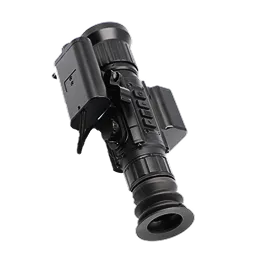
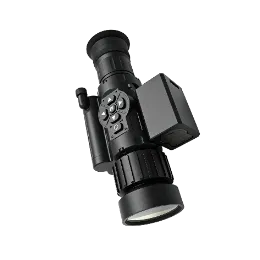
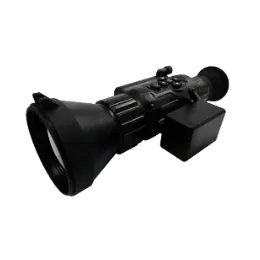
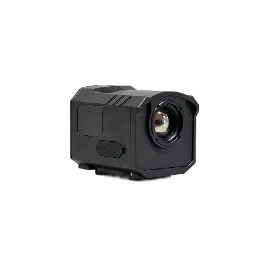
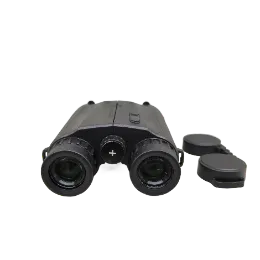
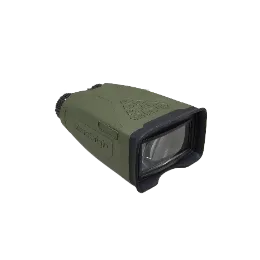
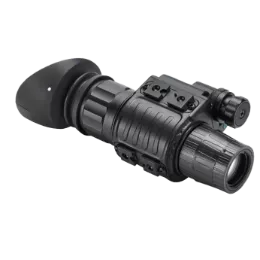
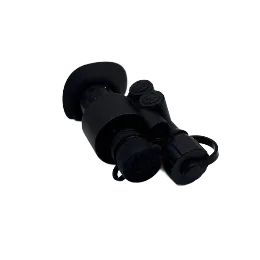
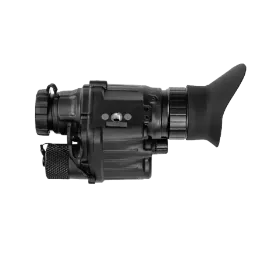
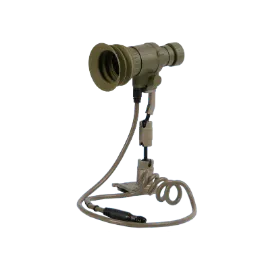
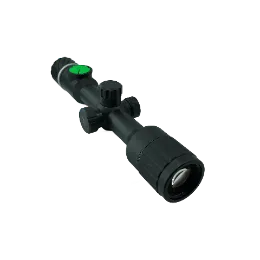
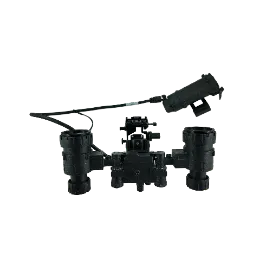
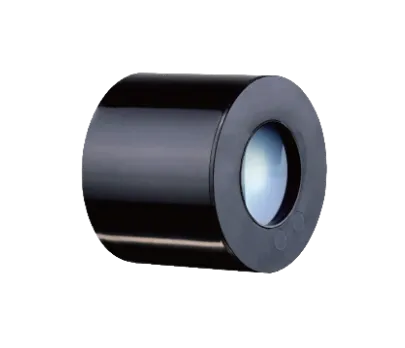
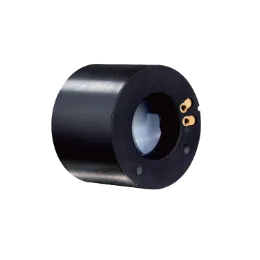
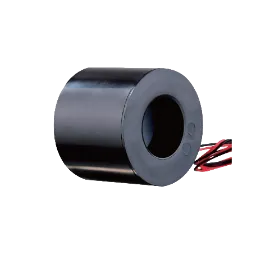
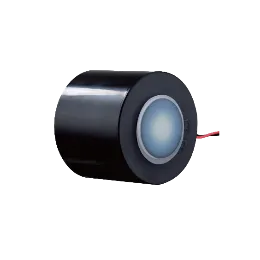
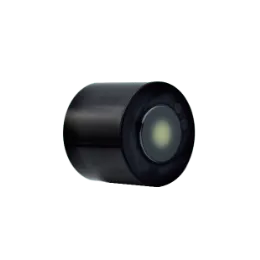
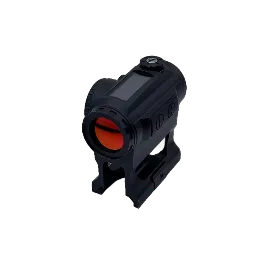
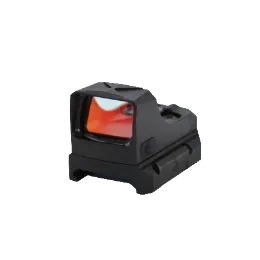
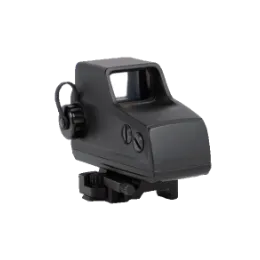
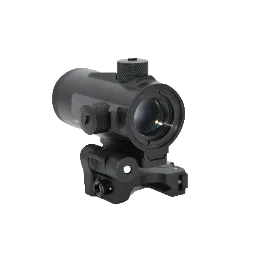
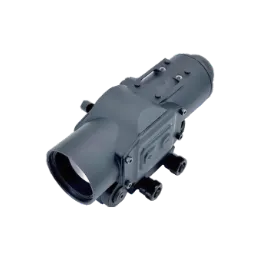
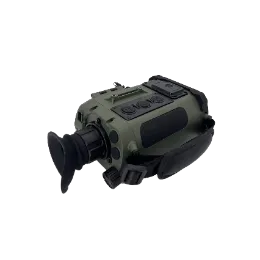
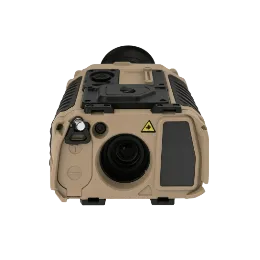
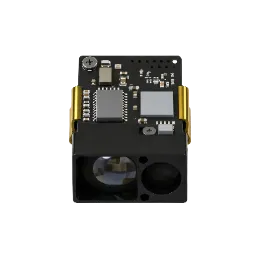
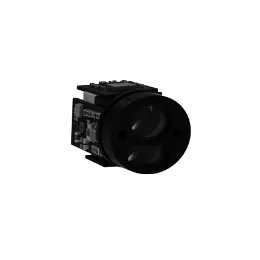
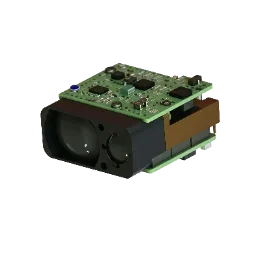
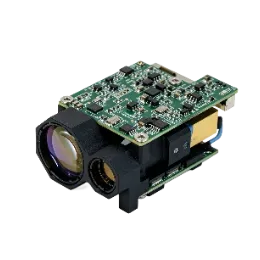
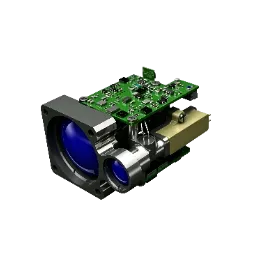
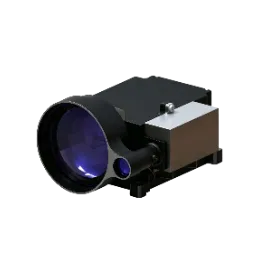


JV-ADS-S5 Thermal Imaging Night Vision
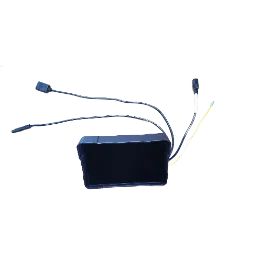

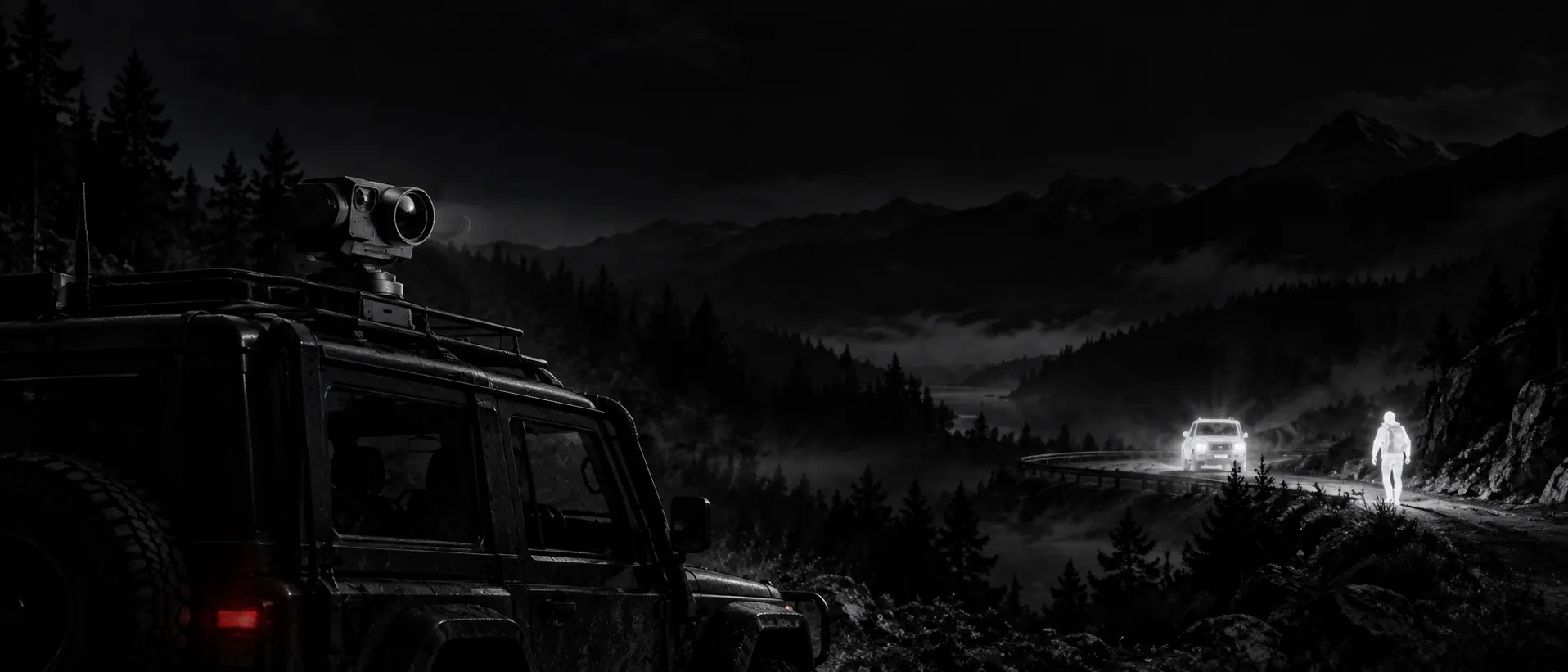
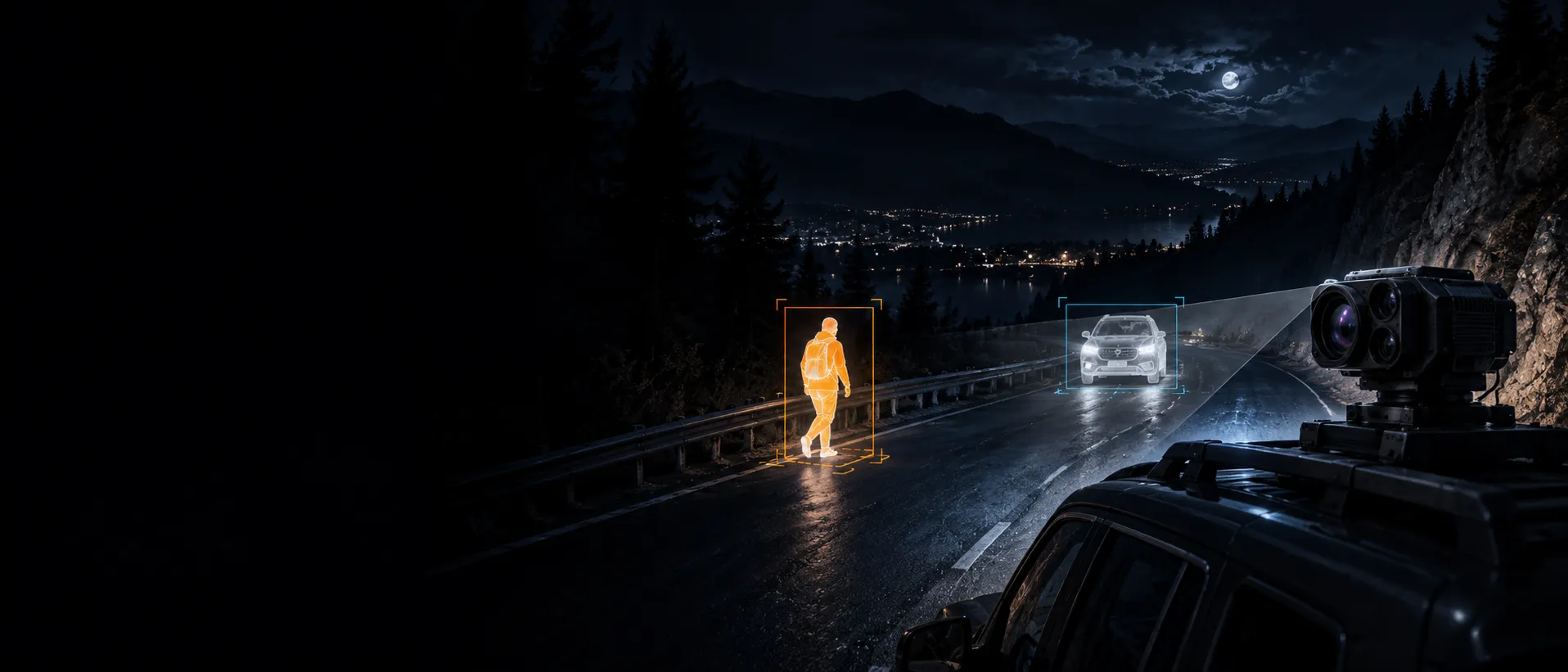
JOVSTAR designs and manufactures AI vehicle thermal night vision systems that detect pedestrians and vehicles beyond the headlights, with standalone, original-screen and video-output display options.
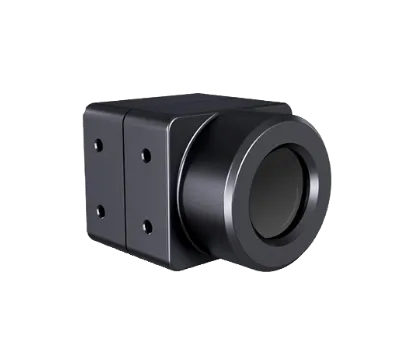
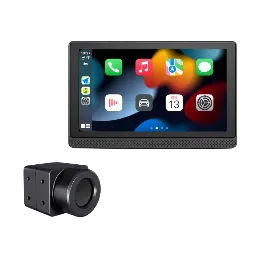
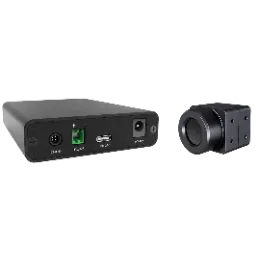
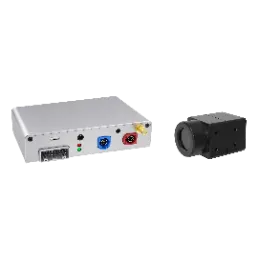
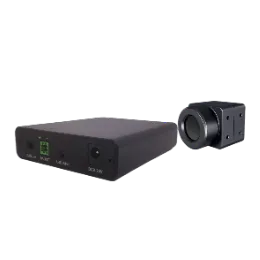
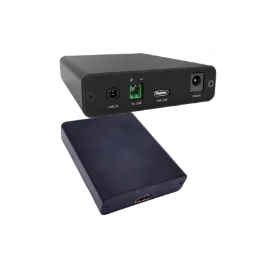
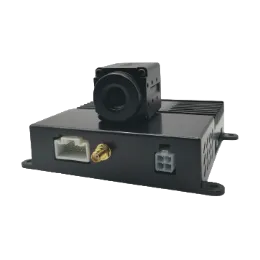
VOx thermal cameras up to 640×512 detect a person at 859 m and a vehicle at 1,263 m with the 9.1 mm lens, beyond the reach of headlights.
Thermal imaging works in darkness, headlight glare, smoke and haze, and IP67 cameras with automatic window defrosting keep the view clear from -30℃ to +70℃.
A 3 TOPS AI processor recognizes people and vehicles at ≥21 FPS with a ≥95% identification rate, and gives visual and audible warnings linked to distance and speed.
Standalone 5" and 7" displays, wired CarPlay, Android USB and factory-screen integration, or AHD, HDMI and CVBS output for monitors and third-party systems.
| Parameter | Standalone Display Systems | Original-Screen Systems | Video-Output Units |
| Product Image | |
|
|
| Models | JV-ADS-S5, JV-ADS-S7, JV-ADS-S7P | A2C / A3C / A6C (CarPlay), A2 / A3 / A6 (Android), vehicle-specific system | A2A / A3A / A6A (AHD), A2H / A3H / A6H (HDMI), JVA-256 / 384 / 640 (CVBS + USB) |
| Typical Applications | Retrofit in cars, RVs, commercial vehicles and machinery | Passenger cars with CarPlay, Android or supported factory screens | Monitors, e-mirrors, fleets and integrators |
| Display / Output | 5" or 7" 1024×600 IPS display | Original vehicle screen (USB / UVC or decoder) | AHD 720p/1080p, HDMI, or CVBS + USB |
| Thermal Resolution | 256×192 / 384×288 / 640×512 | 256×192 / 384×288 / 640×512 | 256×192 / 384×288 / 640×512 |
| Detector / NETD | VOx, 12 μm, 40 mK | VOx, 12 μm, 40 mK | VOx, 12 μm, 40 mK |
| Lens | 9.1 mm; 1.5–13 mm options (JV-ADS-S5) | 9.1 mm (10 mm on vehicle-specific system) | 9.1 mm athermal |
| Detection (Human / Vehicle) | 859 m / 1,263 m (9.1 mm lens) | 859 m / 1,263 m | 859 m / 1,263 m |
| AI Recognition | Human, vehicle; animal on JV-ADS-S5 | Human, vehicle, distance | Human, vehicle, distance |
| Warnings | Built-in speaker, three-level or custom-zone alerts | Visual and audible; GPS speed-linked or car horn | Visual and audible; GPS speed-linked on AHD and CVBS |
| Power Input | DC 9–32 V (S5), DC 9–24 V (S7), cigarette lighter | DC 9–36 V | DC 9–36 V |
| Camera Protection | IP67, automatic window defrost | IP67, automatic window defrost | IP67, automatic window defrost |
| Camera Operating Temperature | -30℃ ~ +65℃ / +70℃ | -30℃ ~ +70℃ | -30℃ ~ +70℃ |
A vehicle thermal camera shows the road ahead by heat rather than light, so pedestrians, animals and vehicles stand out in darkness, headlight glare, smoke and haze. JOVSTAR automotive thermal night vision systems combine a VOx thermal camera (256×192, 384×288 or 640×512) with an AI processor that recognizes people and vehicles and warns the driver, and connect to the display that suits the vehicle.
Choose a standalone display system when the vehicle has no suitable screen or you want the simplest retrofit. Choose an original-screen system to show the thermal image on a wired CarPlay screen, an Android head unit or a supported factory screen. Choose a video-output unit (AHD, HDMI or CVBS) when the image goes to a monitor, electronic mirror or third-party system.
| Model | System type | Display / output | Thermal resolution | Power input | Notable features |
|---|---|---|---|---|---|
| JV-ADS-S5 | Standalone display | 5″ 1024×600 IPS touchscreen | 256×192 / 384×288 / 640×512 | DC 9–32 V | Seven lens options (1.5–13 mm), animal recognition, recording, custom alert zones |
| JV-ADS-S7 | Standalone display | 7″ 1024×600 IPS | 256×192 / 384×288 / 640×512 | DC 9–24 V, cigarette lighter | Three-level visual and audible alerts, built-in speaker |
| JV-ADS-S7P | Standalone display + multimedia | 7″ 1024×600 IPS | 256×192 / 384×288 / 640×512 | Cigarette lighter | Apple CarPlay, Android Auto, Bluetooth, USB media, optional rear camera |
| A2C / A3C / A6C | Original screen | Wired CarPlay screen via USB | 256×192 / 384×288 / 640×512 | DC 9–36 V | Keeps the factory display |
| A2 / A3 / A6 | Original screen | Android head unit via USB Type-C (UVC) | 256×192 / 384×288 / 640×512 | DC 9–36 V | App settings for Android 6–14, split screen |
| Vehicle-specific system | Original screen | Factory infotainment screen via decoder | 256×192 / 384×288 / 640×512 | — | Concealed installation for supported fuel-powered models |
| A2A / A3A / A6A | Video output | AHD 720p / 1080p, 25 or 30 Hz | 256×192 / 384×288 / 640×512 | DC 9–36 V | Monitors, streaming rear-view mirrors, aviation or RCA connector |
| A2H / A3H / A6H | Video output | HDMI | 256×192 / 384×288 / 640×512 | DC 9–36 V, cigarette lighter | Built-in warning speaker, optional TTL serial interface |
| JVA-256 / 384 / 640 | Video output | CVBS and USB at the same time | 256×192 / 384×288 / 640×512 | DC 9–36 V | Universal host for monitors, Android displays or factory screens |
All systems use 8–14 μm VOx thermal cameras with 12 μm pixels, NETD 40 mK and IP67 housings. See each product page for full specifications.
A JOVSTAR system has three parts: a thermal camera outside the vehicle, a processing unit with an AI processor, and a display or video output with warnings.
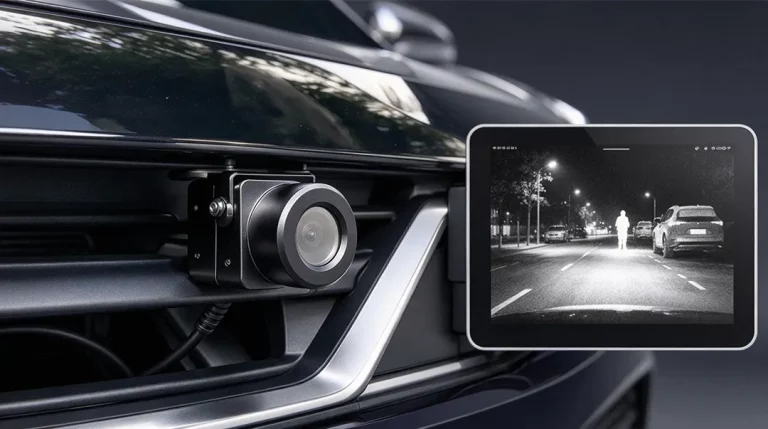
The camera uses an uncooled VOx detector behind an athermal fixed-focus lens, so it needs no focusing as temperature changes. It sits outside the cabin, usually in the front grille, because thermal infrared does not pass through windshield glass. A high-strength protective window covers the lens, and automatic window defrosting starts below 2℃ and stops above 7℃. The camera draws under 1 W, or under 3 W with heating on, and works from -30℃ to +70℃ on most systems.
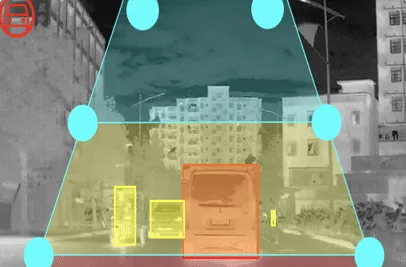
A 3 TOPS neural processing unit runs recognition of people and vehicles at 21 frames per second or more, with a stated identification rate of 95% or higher, and estimates their distance. The JV-ADS-S7 counts cyclists and motorcyclists as people, and the JV-ADS-S5 also recognizes animals.
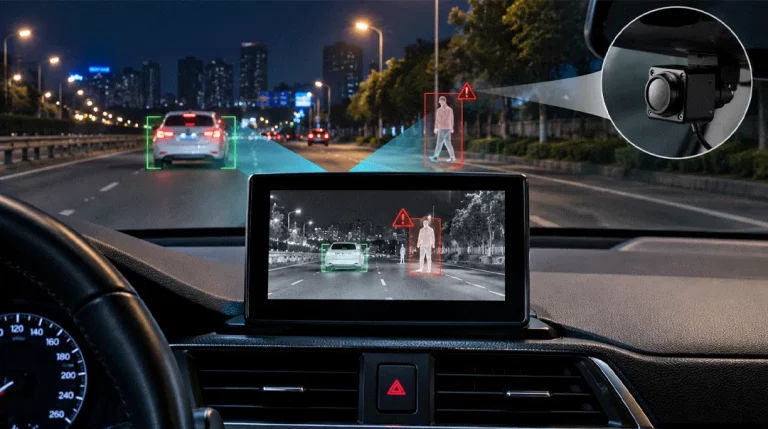
Recognized targets are highlighted on screen, and the system gives visual and audible warnings. Depending on the model, warnings come from a built-in speaker, an external speaker or the car horn, can be linked to vehicle speed through GPS, and offer three warning levels, adjustable distances or custom alert zones.
The main choice is where the driver will see the image.
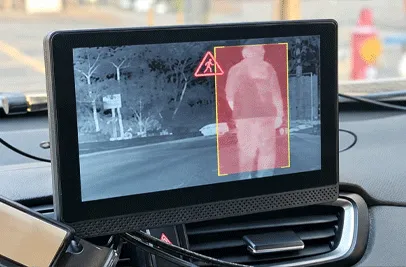
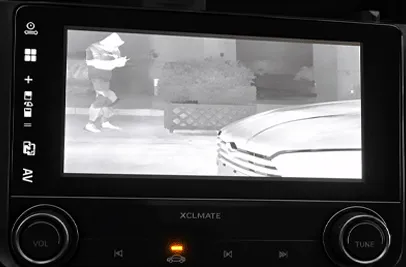
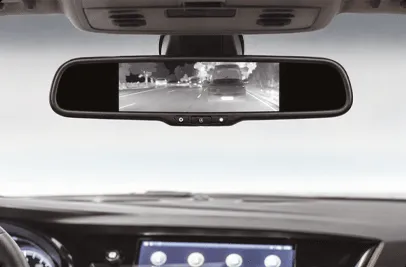
For a side-by-side summary of the system classes, see Core Specifications above.
For a vehicle thermal camera, distance depends mainly on the lens focal length and the detector’s pixel size, and on whether you mean detection, recognition or an AI warning.
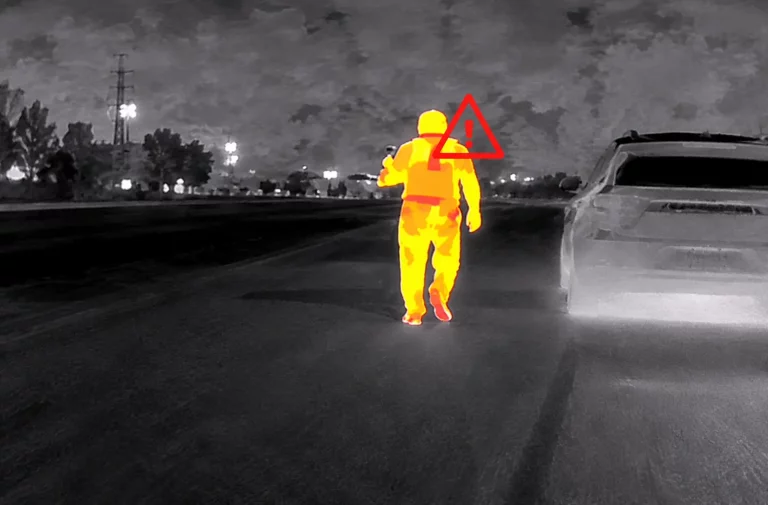
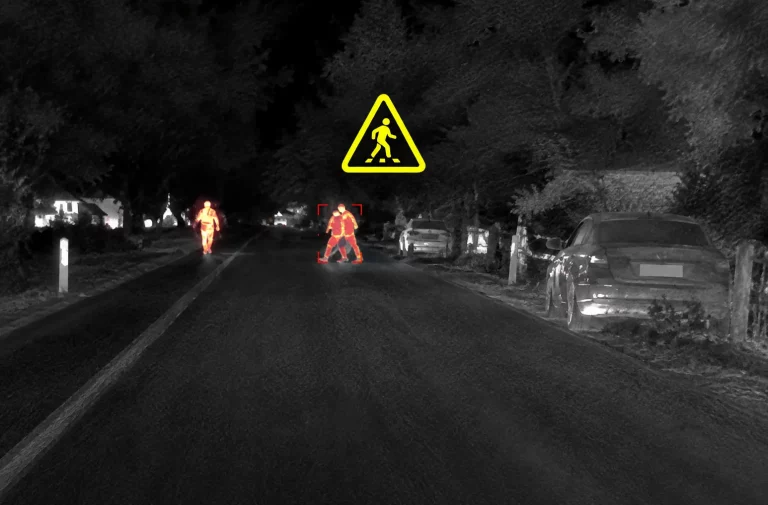
With the standard 9.1 mm lens and 12 μm pixels, JOVSTAR systems detect a person at 859 m and a vehicle at 1,263 m, and recognize them at 214 m and 316 m. AI recognition, which triggers warnings, works to about 80 m for people and 200 m for vehicles. At 100 km/h a car covers 214 m in under 8 seconds, so recognition distance translates directly into reaction time.
Lens choice trades distance for coverage. The JV-ADS-S5 offers seven camera options:
| Camera option | Field of view | Human recognition | AI human warning |
|---|---|---|---|
| 256×192, 1.5 mm | 120° × 86° | 35 m | 15 m |
| 256×192, 4 mm | 45° × 33° | 94 m | 60 m |
| 256×192, 9.1 mm | 18° × 13° | 236 m | 100 m |
| 384×288, 9.1 mm | 29° × 22° | 214 m | 100 m |
| 640×512, 4.6 mm | 95° × 76° | 108 m | 60 m |
| 640×512, 9.1 mm | 48° × 39° | 214 m | 80 m |
| 640×512, 13 mm | 34° × 27° | 306 m | 100 m |
With the same lens, a higher resolution does not add distance; it widens the field of view. A 640×512 camera with the 9.1 mm lens covers 48° × 39° instead of 18° × 13°, which helps on curves, at junctions and in town. Wide-angle options such as 120° suit low-speed machines and close surroundings; long lenses suit highways and open roads.
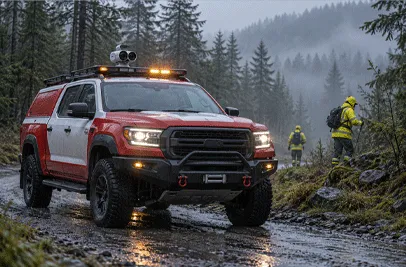
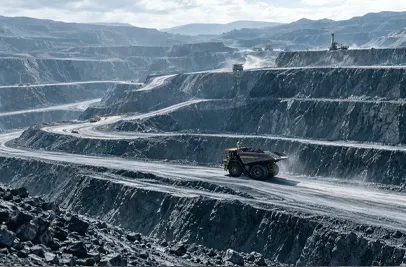
JOVSTAR vehicle thermal systems are used in four main kinds of vehicles.
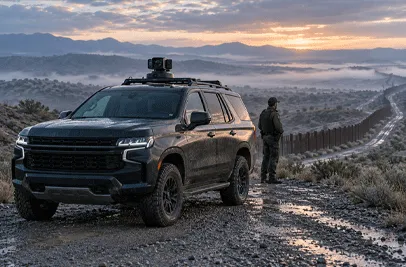
Night driving assistance on unlit roads, with original-screen systems for CarPlay, Android head units and supported factory screens, or the JV-ADS-S7P where the car needs CarPlay as well.
Standalone systems and DC 9–36 V units suit RVs, vans, trucks and buses, with wide-view 640×512 cameras for junctions and depots.
Wide-angle cameras on the JV-ADS-S5 show people near slow-moving machines, and AHD or CVBS output connects to existing monitors.
Video-output units feed fleet monitors, streaming rear-view mirrors and situational awareness systems. See the Vehicle-Mounted All-Weather Situational Awareness Solution.
JOVSTAR supports project-level customization of vehicle thermal imaging systems, covering thermal resolution and lens, camera mounting, display and video interfaces, warning logic, software language and vehicle-platform requirements, from product configuration and prototyping to batch delivery. For handheld and fixed thermal cameras, see our thermal imaging camera range.
Learn more about OEM & ODM customization, our factory and testing capabilities and R&D laboratories. ISO, CE and FCC certifications are shown on our About page.
Detection, recognition and AI warning distances for car thermal cameras, what they mean in seconds at speed, and how lens and resolution change range.
Compare standalone displays, CarPlay, Android head units, factory screens and AHD, HDMI or CVBS output for showing a car thermal camera image.
Answers to Common Vehicle Thermal Camera Questions
A vehicle thermal camera shows the road ahead by heat rather than light, so pedestrians, animals and vehicles stand out in darkness, glare, smoke and haze. JOVSTAR systems add AI recognition and driver warnings.
With the 9.1 mm lens, JOVSTAR systems detect a person at 859 m and a vehicle at 1,263 m, and recognize them at 214 m and 316 m. AI warnings work to about 80 m for people and 200 m for vehicles.
Yes, on compatible vehicles. JOVSTAR offers systems for wired CarPlay screens, Android head units over USB, and supported factory infotainment screens through a dedicated decoder. Standalone 5" and 7" display systems are available for any vehicle.
Thermal infrared does not pass through windshield glass, so the camera is mounted outside, usually in the front grille. JOVSTAR cameras are IP67-rated and defrost their window automatically below 2℃.
Not with the same lens. With the 9.1 mm lens, 256×192, 384×288 and 640×512 cameras recognize people at about the same distance, but the higher resolutions give a wider field of view, up to 48° × 39°.
Most JOVSTAR systems accept DC 9–36 V, covering 12 V and 24 V vehicles. The JV-ADS-S7 and JV-ADS-S7P can be powered from the cigarette lighter socket.
Yes. JOVSTAR supports project-level customization covering resolution and lens, camera mounting, display and video interfaces, warning logic and vehicle-platform requirements.