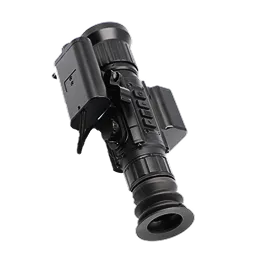
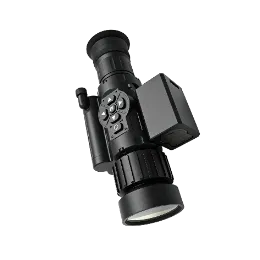
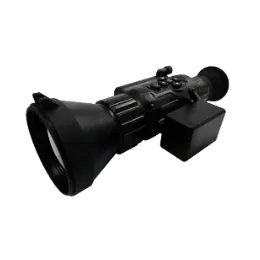
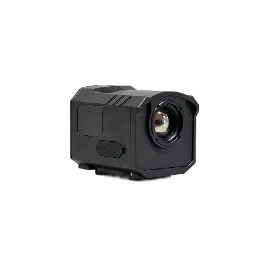
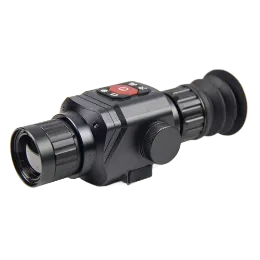
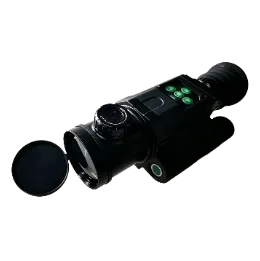
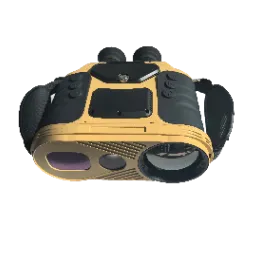
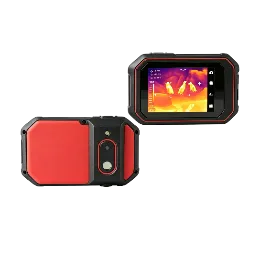
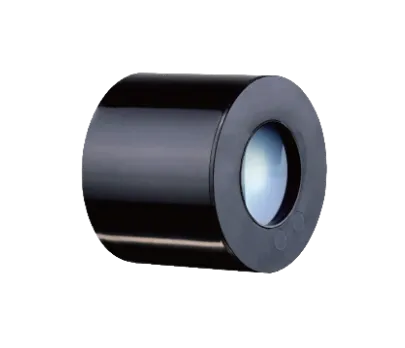
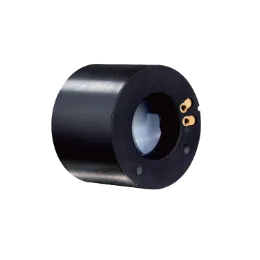
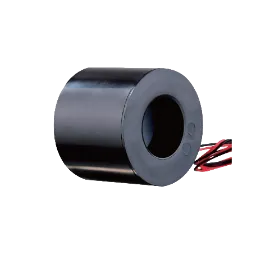
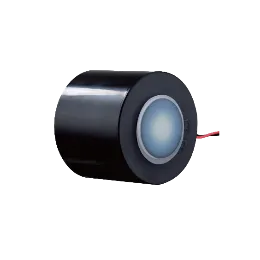
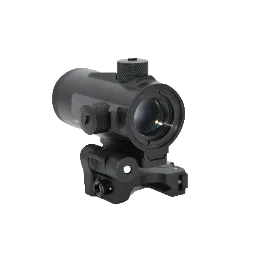
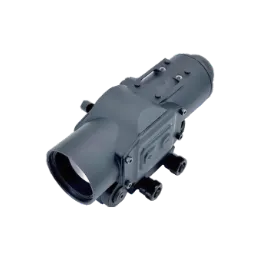
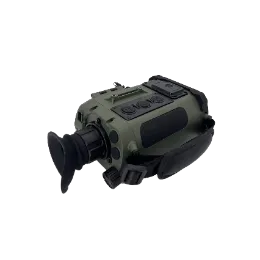
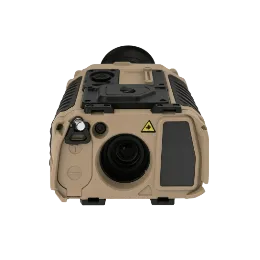
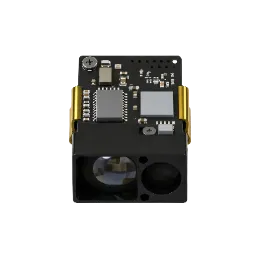
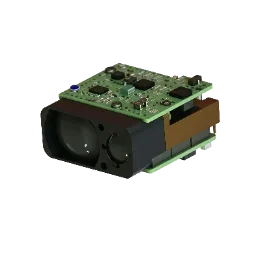
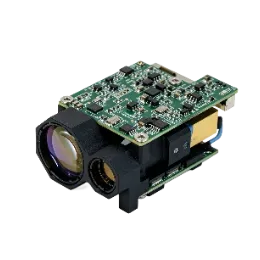


Monocular Night Vision Goggles
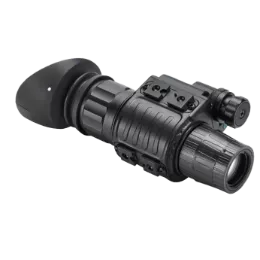

JOVSTAR designs and manufactures image-intensifier and digital night vision goggles, monoculars, four-tube panoramic and thermal fusion goggles, with Gen2+ tubes (Gen3 optional) and helmet-mount accessories.
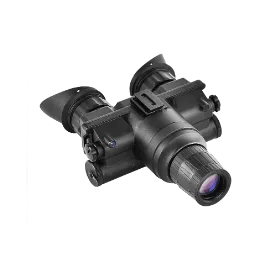
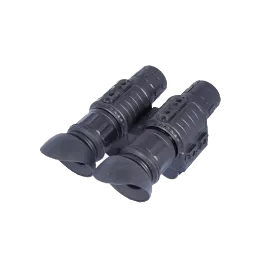
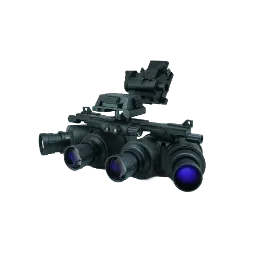
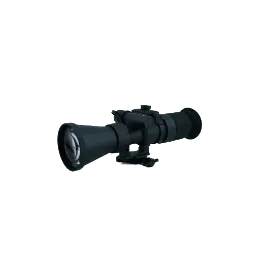
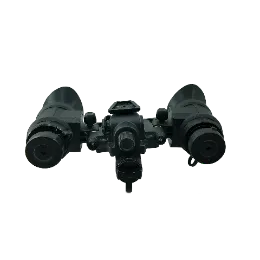
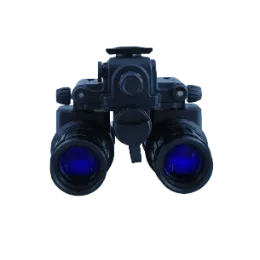
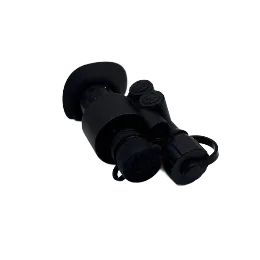
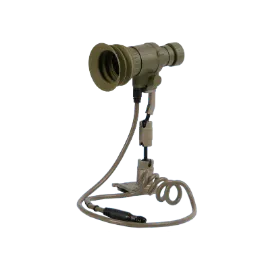
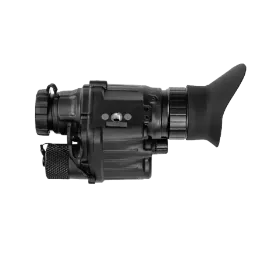
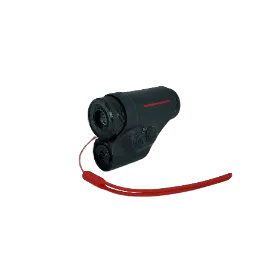
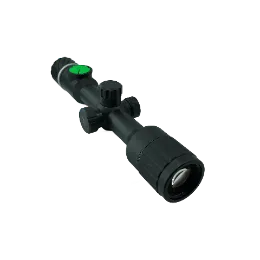
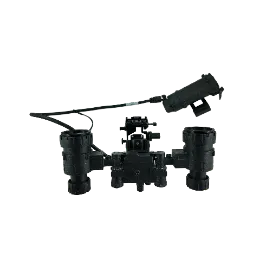
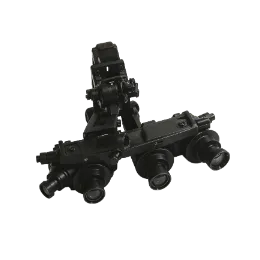
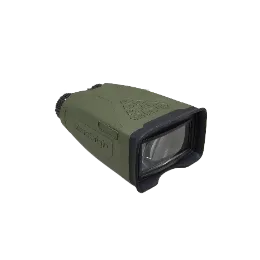
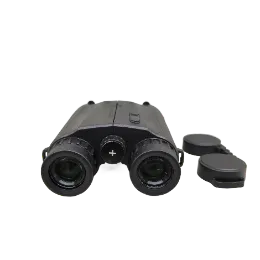
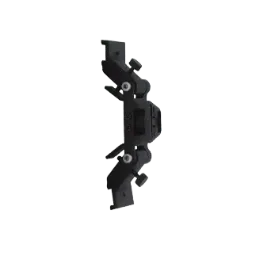
Gen2+ image intensifier tubes with Gen3 optional, FOM 1400–2200 and 60–72 lp/mm resolution, plus digital low-light sensors working down to 0.0001 lux.
Fields of view from 40–50° on goggles to ≥100° horizontal on four-tube models, with 3×–6× objective options and a 3.8× night vision scope for observation at distance.
640×512 or 640×480 thermal channels fused with intensified or digital low-light images, extending person recognition from ≥120 m to ≥200 m.
IP65 protection with IP67 optional, operation down to -40℃ or lower, and battery life up to 60–100 hours on one CR123A for the JV-NVM201.
| Parameter | Image Intensifier Devices | Digital Night Vision Devices | Thermal Fusion Goggles | Four-Tube Panoramic Goggles |
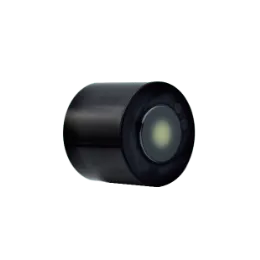
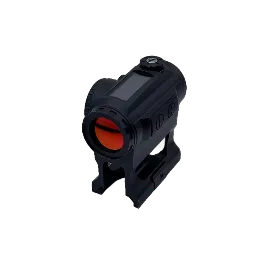
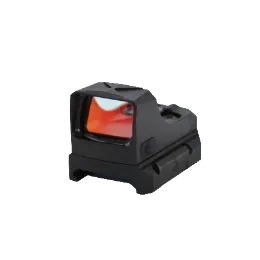
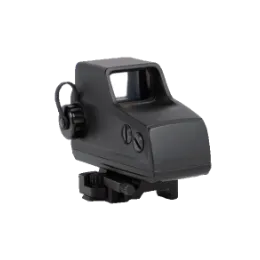
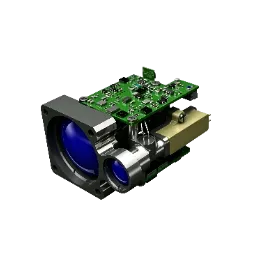
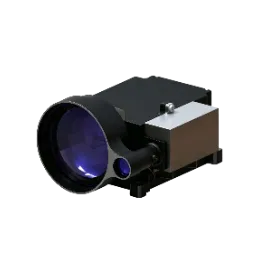
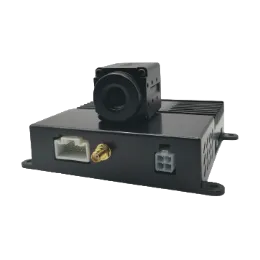
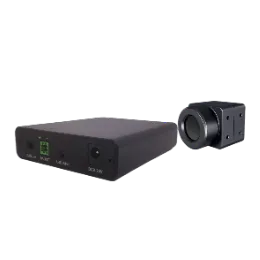
| Product Image | |
|
|
|
| Models | JV-NVM201, JV-NVG201, JV-NVB201, JV-NSR201 | JV-NVD100 – JV-NVD104, JV-NVD201, JV-NVD8X-3.5 | JV-FNV2105, JV-DNV2105 | JV-NVF201, JV-NVD401 |
| Product Type | Monoculars, goggles and scope | Monoculars, goggles and large-screen binocular | Binocular Fusion Goggles | Wide-FOV Panoramic Goggles |
| Typical Applications | Patrol, search and rescue, observation | Security, hunting, outdoor exploration, recording | Search and rescue, security, observation | Moving and driving at night, wide-area search |
| Imaging Technology | Gen2+ tube (Gen3 optional) | CMOS low-light sensor, 800×600 (2688×1520 on JV-NVD8X-3.5) | Gen2+/Gen3 or digital + uncooled thermal | Gen2+ tubes (JV-NVF201) or digital (JV-NVD401) |
| Image Quality | FOM 1400–2200, 60–72 lp/mm | Down to 0.0001 lux (JV-NVD102) | FOM 1400–2200+ (JV-FNV2105); thermal 640×512 / 640×480 | FOM 1200–1800 (JV-NVF201) |
| Field of View | 40° or 50° (12° on JV-NSR201) | 8° × 6° to 50° | ≥40–50° low light; 24° × 18° to 34° × 26° thermal | ≥90–100° horizontal |
| Magnification | 1× (3×–6× optional); 3.8× scope | 1× (3×–6× optional); 2.5× / 8× models | 1× (3×/4×/6× optional) | 1× (3×/4×/6× optional) |
| Rated Recognition (no moon) | People ≥100 m (1×) to ≥400 m (scope) | People ≥100 m to 500 m | People ≥120 m (low light), ≥200 m (fusion) | People ≥120 m (JV-NVF201) |
| Power | CR123A, AA or CR2 | 18650, 18500 or 20350 cells | 18650 | CR123A or battery box (JV-NVF201) |
| Operating Time | ≥8 h to 60–100 h | ≥6 h | ≥6 h (JV-DNV2105) | ≥24 h (JV-NVF201) |
| Operating Temperature | -51℃ ~ +49℃ (JV-NVM201 / NVG201) | -40℃ ~ +55℃ (most models) | -40℃ ~ +50℃ | -40℃ ~ +50℃ / +55℃ |
| Protection | IP65 (IP67 optional); IP67 scope | IP65 (IP67 optional) | IP65 (IP67 optional) | IP65 (IP67 optional) |
| Weight | 0.33 kg – ≤620 g | 180 g – ≤900 g | ≤440 – ≤550 g | ≤580 – ≤775 g |
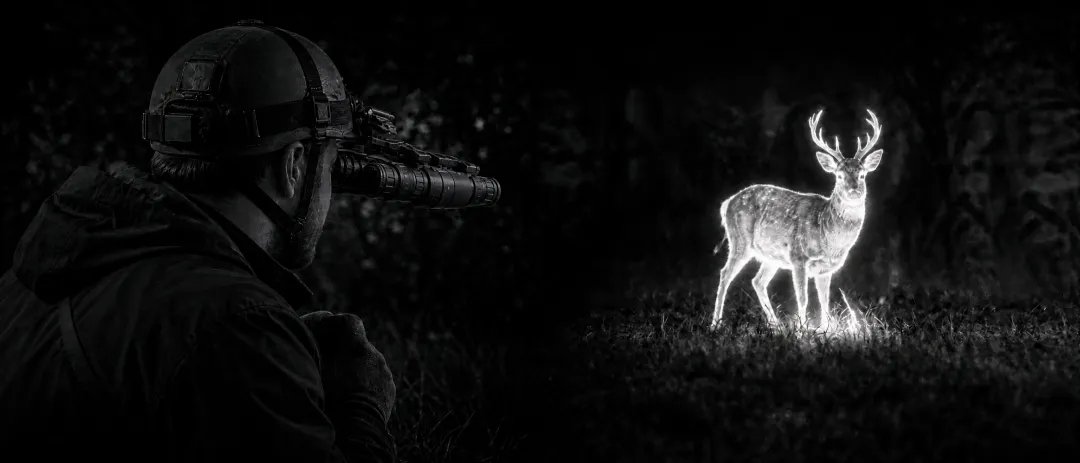
Night vision goggles let you see in near-total darkness by amplifying the little light that is available, from starlight, the night sky or an infrared illuminator. JOVSTAR builds image-intensifier night vision with Gen2+ tubes (Gen3 optional), digital low-light night vision with CMOS sensors, thermal fusion goggles that combine both with a thermal channel, and four-tube panoramic goggles, together with helmet mounts and power accessories.
Choose an image-intensifier device for the most natural, lowest-latency view and the longest battery life. Choose a digital device for a lighter, lower-cost option with photo and video recording, or full-color viewing at dusk. Choose a fusion goggle when you need to detect people and animals by heat and still see terrain detail. Choose a four-tube goggle when peripheral vision matters, for example while moving or driving.
| Model | Type | Technology | Field of view | Magnification | Rated recognition (no moon) | Weight |
|---|---|---|---|---|---|---|
| JV-NVM201 | Monocular | Gen2+ (Gen3 optional), FOM 1400–2200 | 40° or 50° | 1× (3×/4×/6× optional) | — | 0.33 kg |
| JV-NVG201 | Dual-view goggle | Gen2+ (Gen3 optional), FOM 1400–2200+ | 40° or 50° | 1× (3×/4×/5× optional) | — | 0.47 kg |
| JV-NVB201 | Binocular goggle | Gen2+ (Gen3 optional) | ≥40° | 1× (3×/4×/5× optional) | People ≥100 m, vehicles ≥150 m | ≤420 g |
| JV-NVF201 | Four-tube panoramic | Gen2+ (Gen3 optional), FOM 1200–1800 | ≥100° × 40° | 1× (3×/4×/6× optional) | People ≥120 m | ≤775 g |
| JV-NSR201 | Night vision scope | Gen2+ / Gen3+ | 12° | 3.8× | People ≥400 m | ≤620 g |
| JV-FNV2105 | Fusion goggle | Gen2+/Gen3 + 640×512 thermal | ≥40° (II), ≥34° × 26° (IR) | 1× (3×/4×/6× optional) | People ≥120 m (II), ≥200 m (fusion) | ≤550 g |
| JV-DNV2105 | Fusion goggle | Digital 800×600 + 640×480 thermal | ≥50° (low light), ≥24° × 18° (IR) | 1× (3×/4×/6× optional) | People ≥120 m (low light), ≥200 m (IR / fusion) | ≤440 g |
| JV-NVD100 | Head-mounted monocular | Digital, 800×600 | ≥25° × 18° | 1× (3×/4×/5× optional) | People ≥100 m | 180 g |
| JV-NVD101 | Helmet monocular | Digital, 800×600 | ≥34° × 25° | 1× (3×/4×/5× optional) | People ≥110 m | ≤310 g |
| JV-NVD102 | Helmet monocular | Digital, 800×600, 0.0001 lux | 44° | 1× | — | 253 g |
| JV-NVD103 | Handheld / head-mounted monocular | Digital, 800×600 | ≥25° × 18° | 1× (3×/4×/6× optional) | People ≥100 m | ≤220 g |
| JV-NVD104 | Monocular with zoom | Digital, 800×600 | ≥8° × 6° | 2.5× optical, 1–3× digital | People 500 m | ≤900 g |
| JV-NVD201 | Binocular goggle | Digital, latency ≤20 ms | ≥50° | 1× (3×/4×/5× optional) | — | ≤450 g |
| JV-NVD401 | Four-tube panoramic | Digital, ≥800×600 | ≥90° × 24° | 1× (3×/4×/6× optional) | — | ≤580 g |
| JV-NVD8X-3.5 | Large-screen binocular | Digital full color, 2688×1520, 0.001 lux | 21° (diagonal) | 8× | — | Approx. 650 g |
Recognition figures are each model’s stated values for a standing person under no-moon conditions unless noted. See each product page for full specifications.
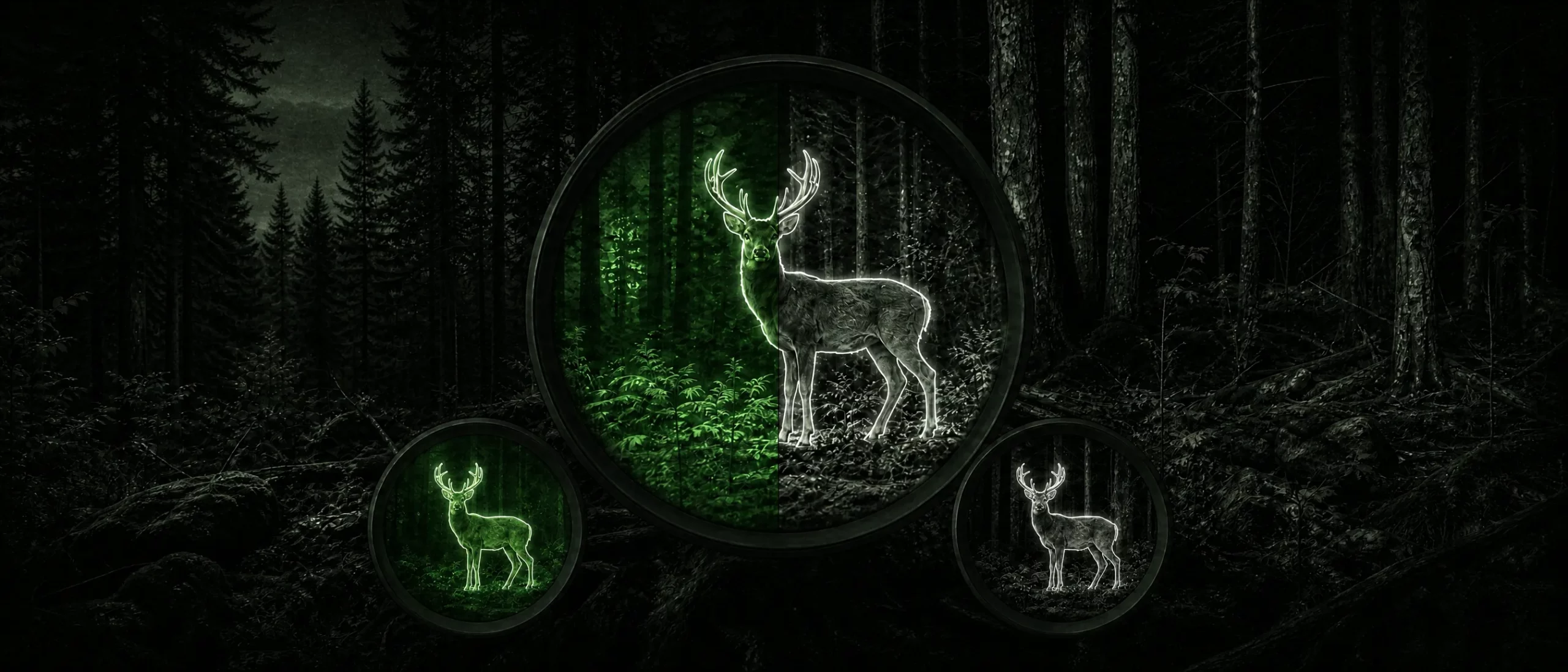
Night vision devices collect far more light than the eye can use at night and turn it into a bright image. JOVSTAR uses three technologies.
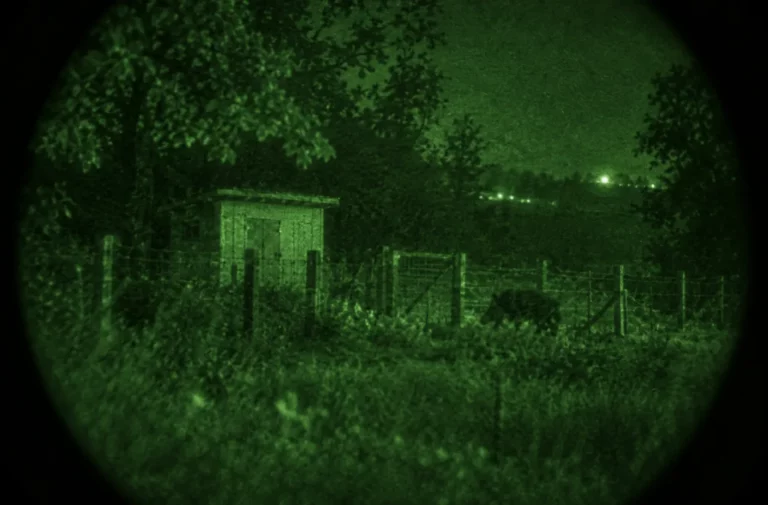
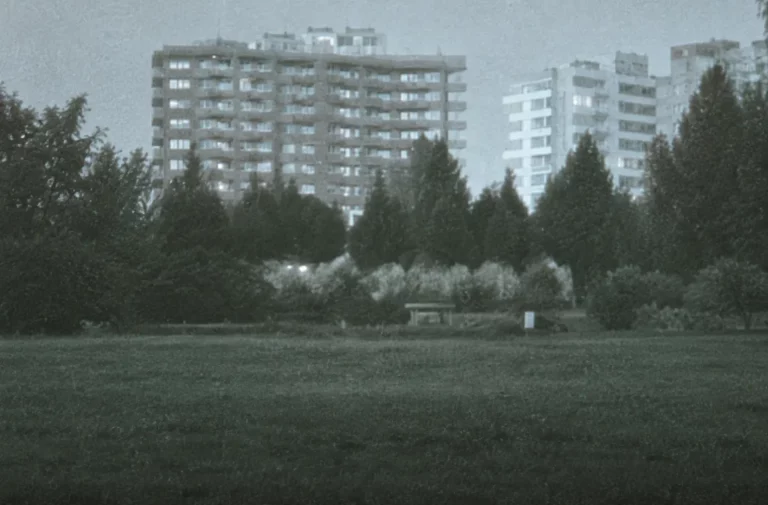
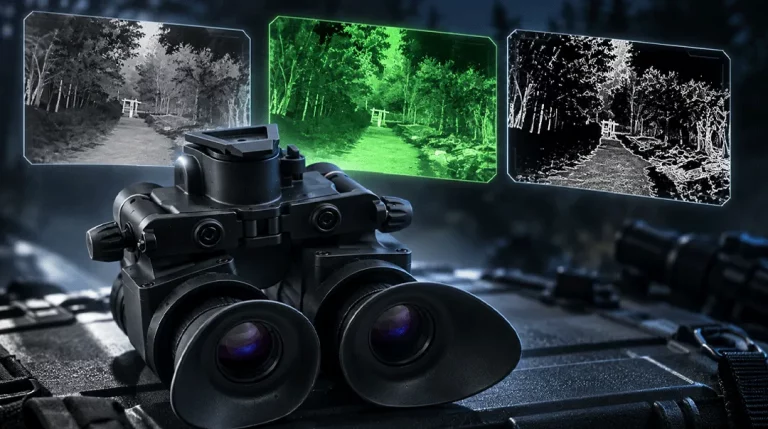
An objective lens focuses faint light onto a photocathode, which releases electrons. A microchannel plate multiplies those electrons thousands of times, and a phosphor screen turns them back into a visible green or white image that you view through an eyepiece. The process is analog, so there is no screen delay, and the devices run for a long time on small batteries: 60–100 hours on one CR123A for the JV-NVM201. The tubes themselves are covered in our image intensifier tube guide.
Digital night vision uses a highly sensitive CMOS sensor and processes the image before showing it on an OLED microdisplay or screen. That adds photo and video recording and image enhancement. The JV-NVD102 works down to 0.0001 lux without an illuminator and uses AI noise reduction; the JV-NVD8X-3.5 shows full-color images down to 0.001 lux on a 3.5-inch screen. Digital devices can add an 850 nm infrared illuminator for complete darkness.
Fusion goggles add an uncooled thermal channel that sees heat rather than light. The image-intensifier JV-FNV2105 overlays a 640×512 thermal image optically on the intensified view; the digital JV-DNV2105 fuses a 640×480 thermal image with an 800×600 low-light image. Warm targets stand out even in shadow or light smoke, and person recognition extends from ≥120 m in low-light mode to ≥200 m in fusion mode.
Each technology trades image quality, cost, weight and features differently.
For a side-by-side summary of the product classes, see Core Specifications above.
How far and how clearly you can see at night depends on the tube or sensor, the optics and the available light.
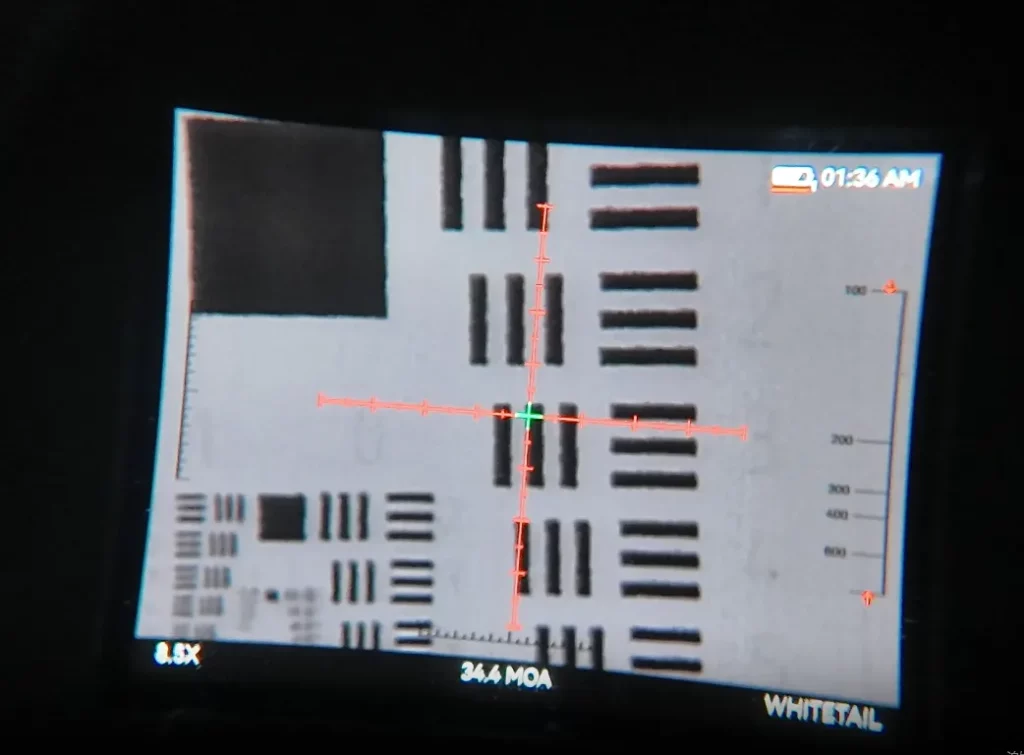
To choose, decide whether you need to move with the device (1× goggle, wide view) or observe at distance (magnified monocular, scope or fusion device), then compare the recognition figure for your target.
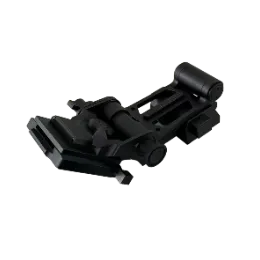
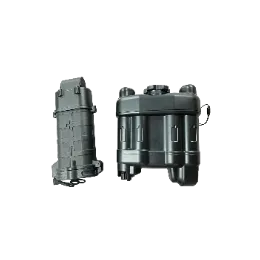
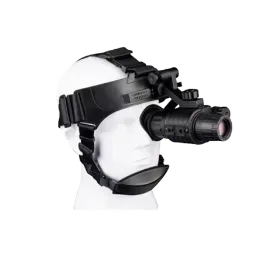
For hands-free use, a goggle needs a stable mount, good balance and enough battery capacity. JOVSTAR supplies the parts of the system.
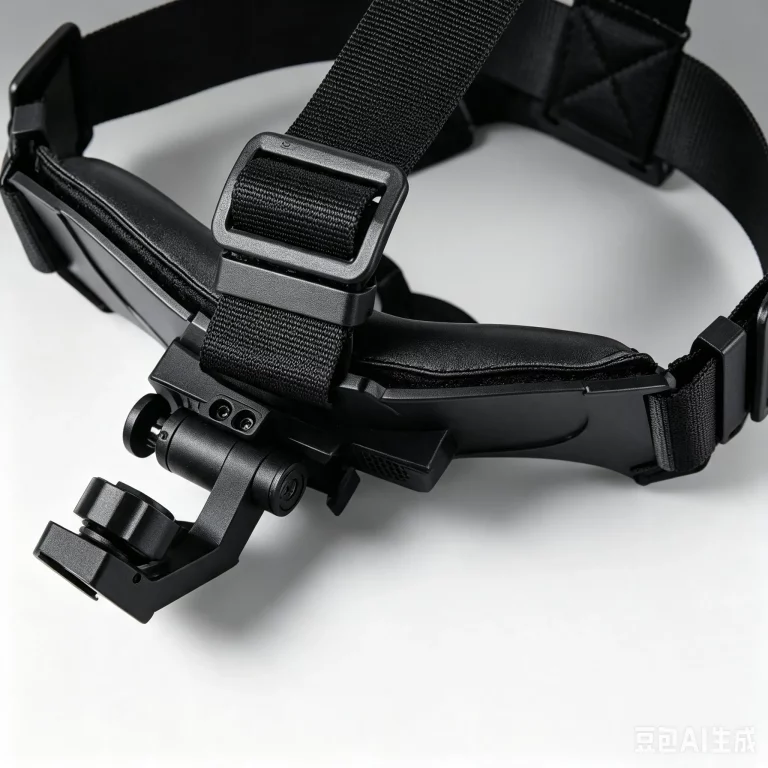
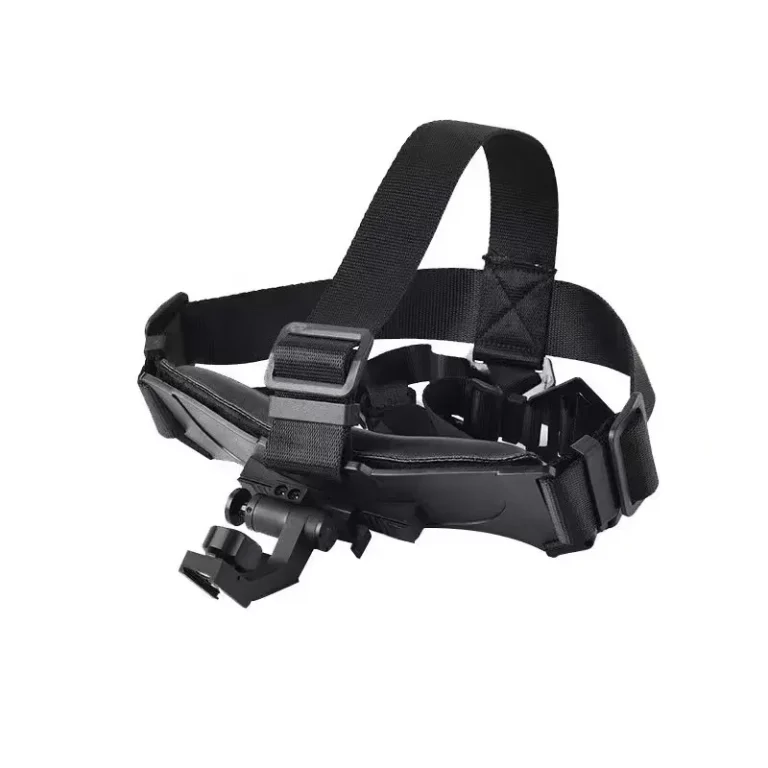
The lightest head-mounted options are the digital JV-NVD100 (180 g with battery) and JV-NVD103 (≤220 g).
JOVSTAR night vision devices are used in four main kinds of work.
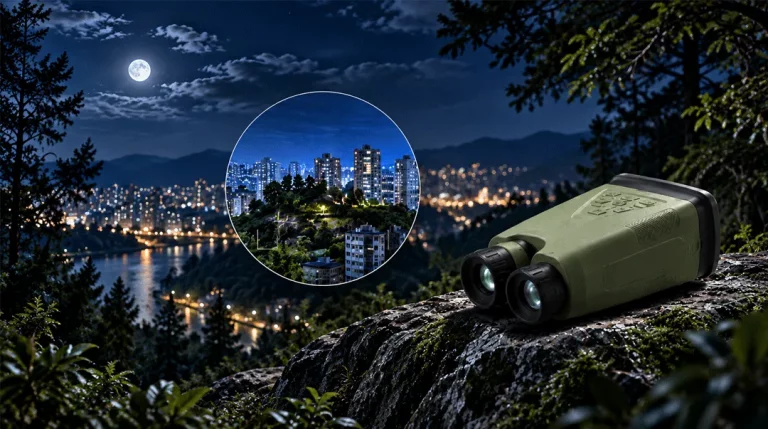
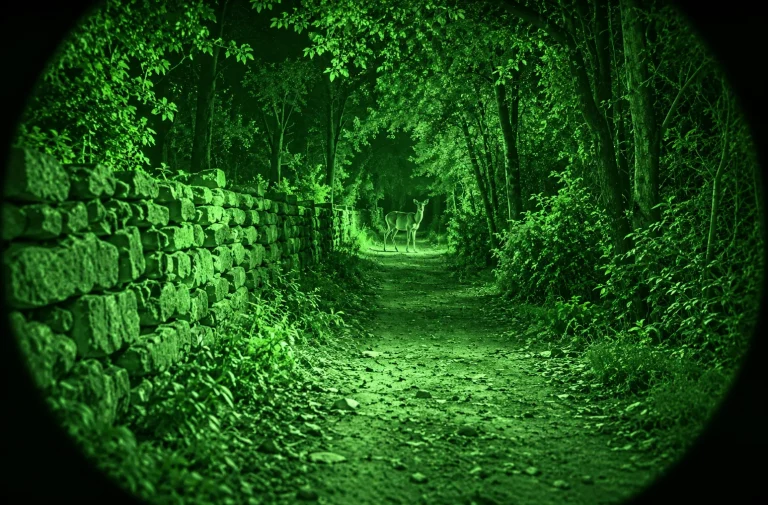
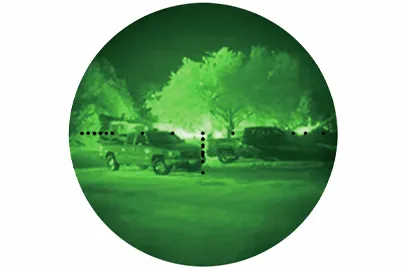
Head-mounted goggles such as the JV-NVB201 and JV-NVD101 keep both hands free, and fusion goggles find people hiding in shadow. For fixed sites, see the Night Surveillance System Solution.
Wide-view goggles help teams move safely at night, and the thermal channel of the JV-FNV2105 and JV-DNV2105 finds people by body heat. The four-tube JV-NVF201 and JV-NVD401 give 90–100° of horizontal view for moving through terrain and for driving.
The JV-NVD100 is a light head-mounted option for hunting and wildlife work; the JV-NVD104 and the JV-NSR201 scope add magnification for observing at distance.
The JV-NVD8X-3.5 large-screen binocular shows full-color images down to 0.001 lux and records photos and video, so several people can view at once.
For daytime work, the JV-VL8X is an 8× 42 mm binocular with built-in distance measurement from 5 m up to 1,500–2,500 m depending on version, ±1 m + 0.1% accuracy and ±45° angle measurement, weighing 869 g. For dedicated long-range distance measurement, see our laser rangefinder range.
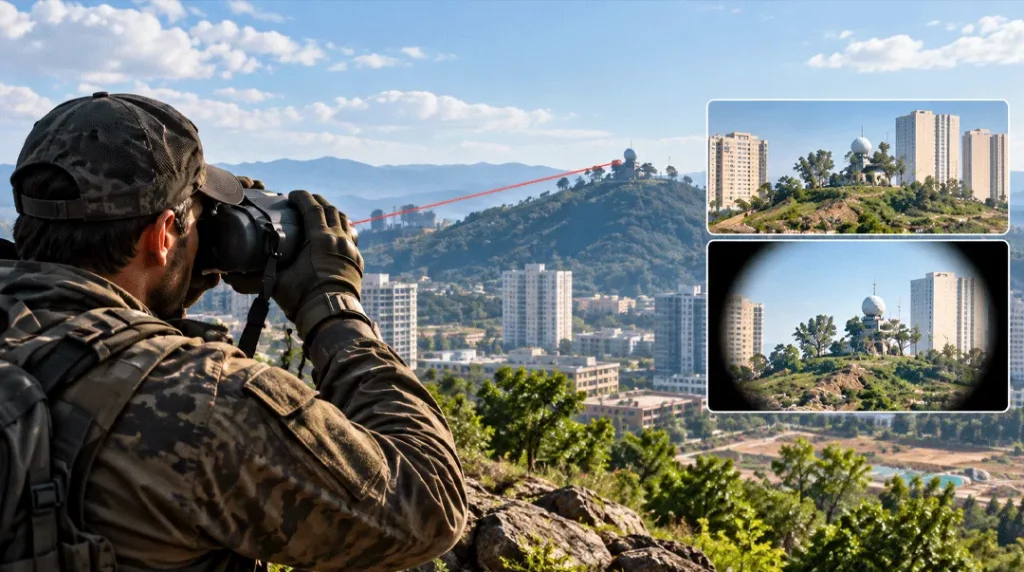
JOVSTAR supports project-level customization of night vision devices, covering tube or sensor selection, optics and magnification, housings, mounting interfaces and power options, from product configuration and prototyping to batch delivery. Night vision can also be combined with JOVSTAR thermal imaging and laser ranging.
Learn more about OEM & ODM customization, our factory and testing capabilities and R&D laboratories. ISO, CE and FCC certifications are shown on our About page.
Compare Gen2+ and Gen3 image intensifier night vision with digital night vision on image quality, low-light performance, recording, battery life and cost.
How thermal fusion night vision goggles combine low-light and thermal images, optical vs digital fusion, and when fusion is worth the extra weight and cost.
Helmet mount types, adjustment, auto power-off, balance and battery boxes for head-mounted night vision, with JOVSTAR mounts and devices as examples.
Answers to Common Night Vision Questions
Night vision goggles are head-mounted or handheld devices that amplify the small amount of light available at night so you can see in near-total darkness. JOVSTAR makes image-intensifier, digital and thermal fusion night vision goggles and monoculars.
Gen3 tubes use a gallium arsenide photocathode that is more sensitive than the multi-alkali photocathode in Gen2+ tubes, which helps in the darkest conditions. JOVSTAR devices use Gen2+ tubes as standard, with Gen3 available as an option on most models.
Image-intensifier devices give a natural image with no screen delay and very long battery life. Digital devices use a low-light CMOS sensor and a display, which adds recording and full-color viewing on some models, but they usually need more light or an infrared illuminator.
FOM (figure of merit) is the tube’s resolution in line pairs per millimeter multiplied by its signal-to-noise ratio. JOVSTAR image-intensifier monoculars and goggles offer FOM 1400–2200.
With 1× goggles, JOVSTAR rates person recognition at about 100–120 m on a moonless night. Magnified devices reach further: 500 m on the JV-NVD104 and ≥400 m on the 3.8× JV-NSR201 scope. Moonlight and sky glow extend these figures.
A fusion goggle combines a thermal camera with an intensified or digital low-light image, so warm targets stand out while terrain detail stays visible. The JOVSTAR JV-FNV2105 and JV-DNV2105 extend person recognition from ≥120 m to ≥200 m in fusion mode.
Yes. JOVSTAR supplies JV-HA8 / JV-HA9 and JV-HA21 / JV-HA31S helmet mounts with flip-up positions and magnetic auto power-off, battery boxes for rear-mounted power, and a soft head mount for use without a helmet.
Yes. JOVSTAR supports project-level customization covering tube or sensor selection, optics and magnification, housings, mounting interfaces and power options.