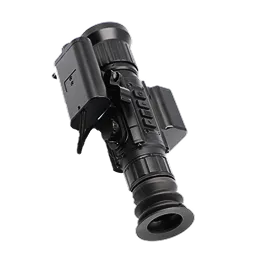
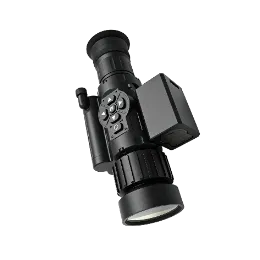
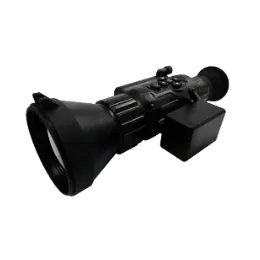
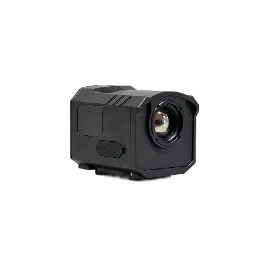
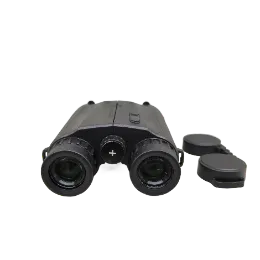
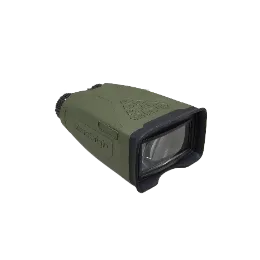
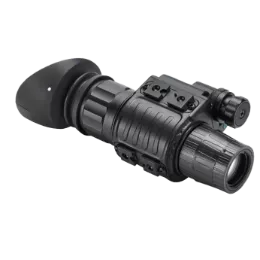
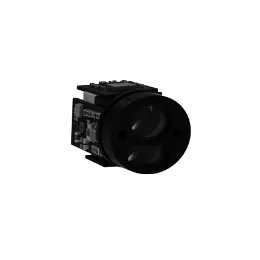
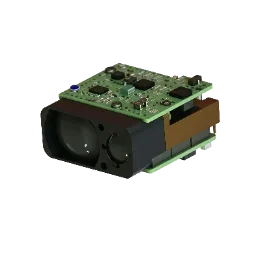
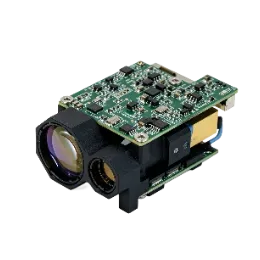
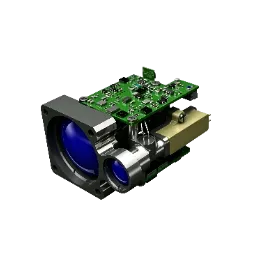
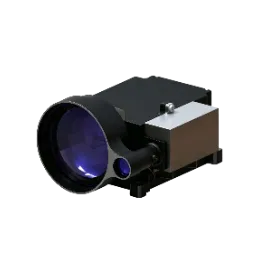
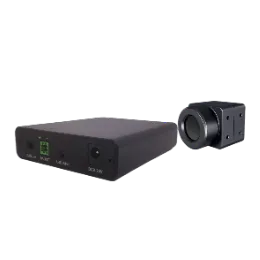


JV-IT64 Image Intensifier Tube
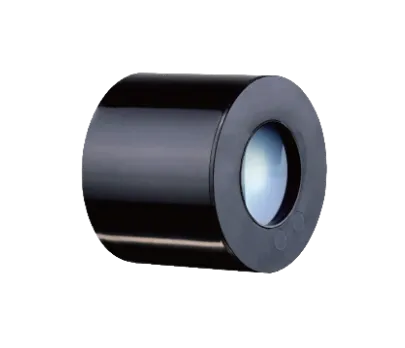

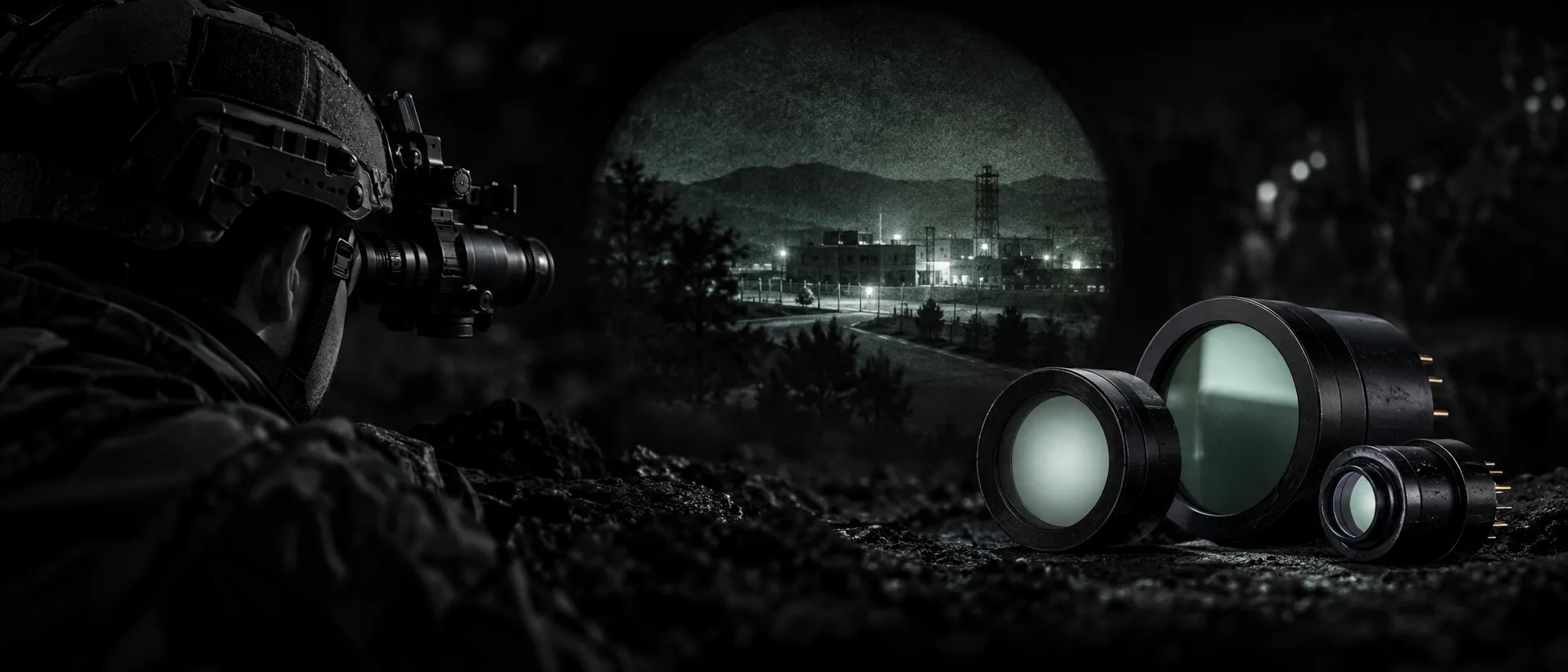
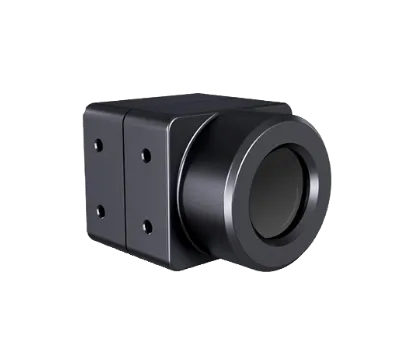
JOVSTAR designs and manufactures proximity-focused image intensifier tubes with S25+ photocathodes, in Class C, B and A configurations from FOM 1400 to 1800, for OEM night vision devices.
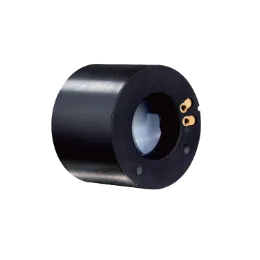
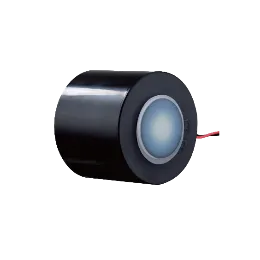
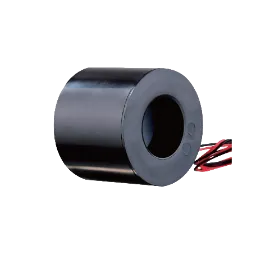
Proximity-focused tubes with S25+ extended-red-response photocathodes and microchannel plate multiplication, giving distortion-free 1× images with luminance gain up to 20,000 cd/m²/lx.
Class C (FOM 1400), Class B (FOM 1600) and Class A (FOM 1800), with sensitivity from 700 to 1000 μA/lm and resolution from 60 to 68 lp/mm.
Auto-gating power supplies on Class B and Class A keep 54 lp/mm resolution at 200 lx, with strong-light and polarity-reversal protection on every tube.
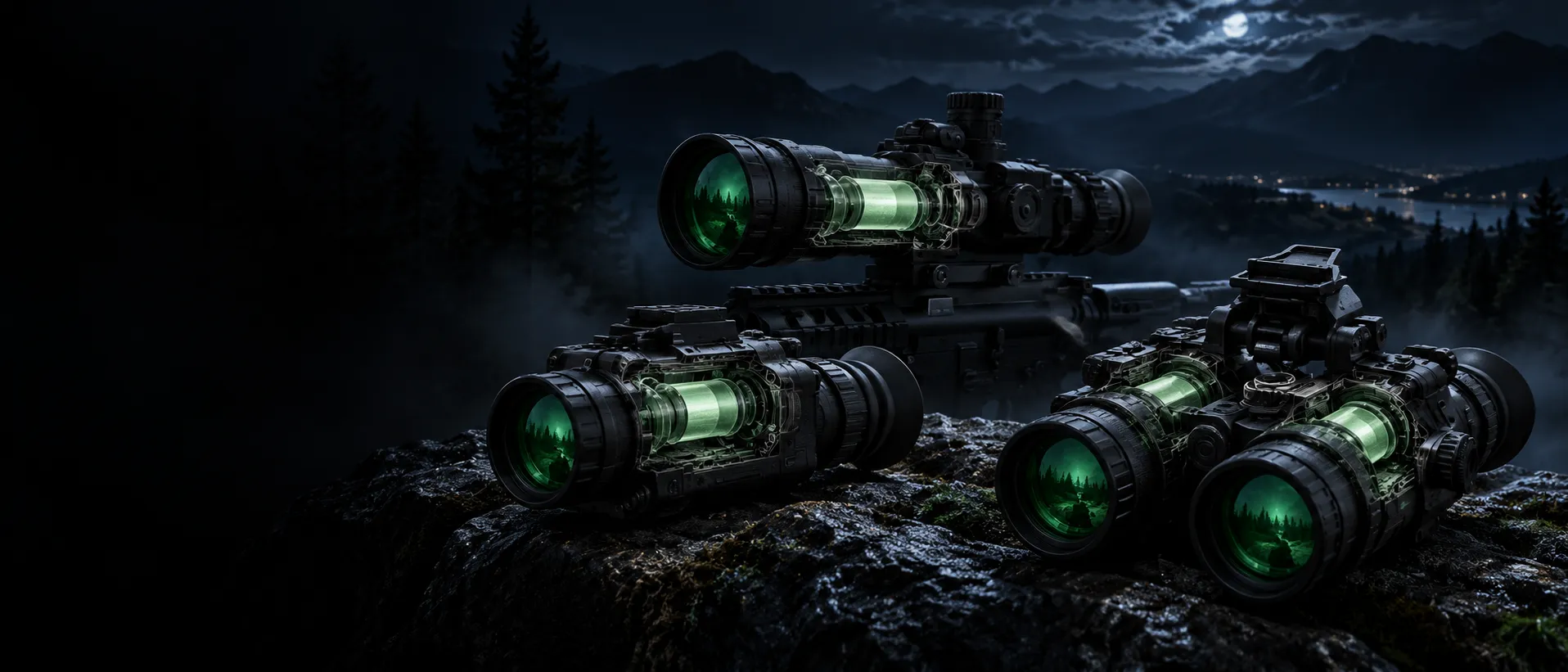
2.2–3.4 V operation, 33–85 mW power consumption, a 17.5 mm cathode and 80 g weight (98 g for the JV-IT1D) for compact monoculars, goggles and scopes.
| Parameter | Class C | Class B | Class A |
| Available Series | JV-IT64, JV-IT1D, JV-IT20, JV-IT24, JV-IT60 | JV-IT64, JV-IT1D, JV-IT20, JV-IT24, JV-IT60 | JV-IT64, JV-IT1D, JV-IT20, JV-IT24, JV-IT60 |
| Typical Applications | General night observation | Observation in changing light | Darkest conditions, long observation |
| Figure of Merit | 1400 | 1600 | 1800 |
| Sensitivity (2856K) | 700 μA/lm | 800 μA/lm | 1000 μA/lm |
| SNR | 23 | 25 | 28 |
| Resolution | 60 lp/mm | 64 lp/mm | 68 lp/mm |
| High-Light Resolution (200 lx) | — | 54 lp/mm | 54 lp/mm |
| Luminance Gain | 8000–12000 cd/m²/lx | 8000–12000 cd/m²/lx | 10000–20000 cd/m²/lx |
| Maximum Output Brightness | 4–8 cd/m² | 4–8 cd/m² | 4–10 cd/m² |
| Power Supply | Normal | Auto-gating | Auto-gating |
| Operating Voltage / Current | 2.2–3.4 V / 15 mA | 2.2–3.4 V / 25 mA | 2.2–3.4 V / 25 mA |
| Power Consumption | 33–51 mW | 55–85 mW | 55–85 mW |
| Cathode Effective Diameter | 17.5 mm | 17.5 mm | 17.5 mm |
| Phosphor | P43 | P43 | P43 |
| Weight | 80 g (98 g JV-IT1D) | 80 g (98 g JV-IT1D) | 80 g (98 g JV-IT1D) |
An image intensifier tube is the core of an analog night vision device. It turns the faint light of a night scene into electrons, multiplies them thousands of times and converts them back into a bright visible image. JOVSTAR makes five proximity-focused tube series with S25+ (Gen2+ class) extended-red-response photocathodes, each available in three performance classes from FOM 1400 to FOM 1800, for OEM night vision monoculars, goggles, binoculars and scopes.
Choose the performance class first: Class C for standard enhancement at the lowest power, Class B for auto-gated operation across changing light, and Class A for the highest sensitivity and gain. Then choose the tube series that fits your optical design, for example a non-inverting output window when your optics erect the image.
| Model | Photocathode | Output window | Classes | Weight | Used in |
|---|---|---|---|---|---|
| JV-IT64 | Extended-red-response | — | C / B / A | 80 g | Low-light imaging devices |
| JV-IT1D | S25+, extended red response | Spherical, non-inverting | C / B / A | 98 g | Monocular and binocular systems |
| JV-IT20 | S25+, extended red response | Flat, non-inverting | C / B / A | 80 g | Monoculars, binoculars and scopes |
| JV-IT24 | S25+, extended red response | — | C / B / A | 80 g | Monoculars, binoculars and scopes |
| JV-IT60 | S25, NIR enhancement | — | C / B / A | 80 g | Monoculars, binoculars and scopes |
All five series share the Class C / B / A electrical and imaging specifications shown in Core Specifications above. Contact JOVSTAR for output window options and mechanical drawings for your design.
An image intensifier tube amplifies light electronically in three stages inside a vacuum envelope.
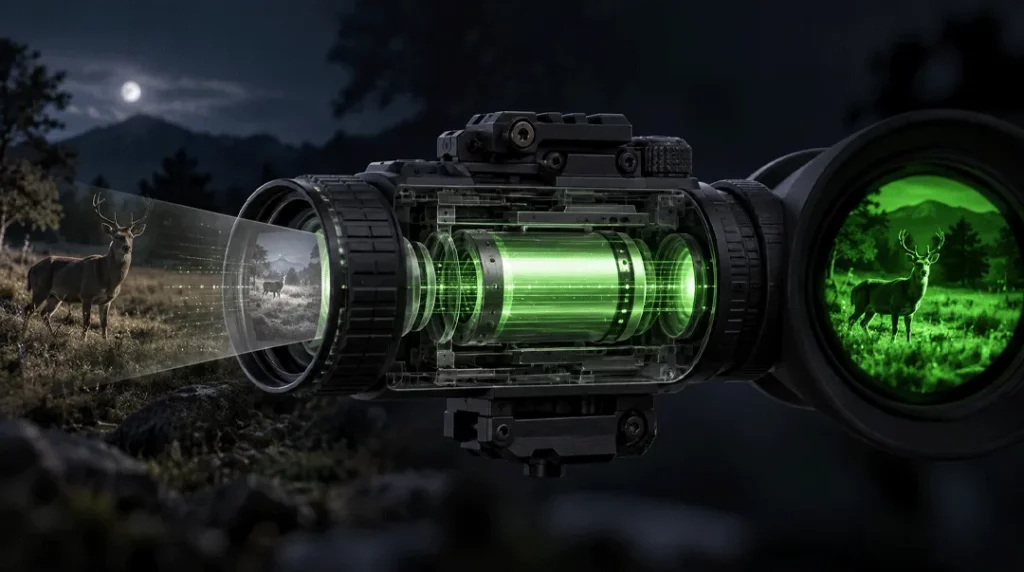
Light from the objective lens falls on the photocathode, which releases electrons in proportion to the light. JOVSTAR tubes use S25+ multi-alkali photocathodes with extended red response, so they also use the near-infrared light that is plentiful in the night sky. Sensitivity is 700 μA/lm on Class C, 800 μA/lm on Class B and 1000 μA/lm on Class A (2856K source), over a 17.5 mm effective cathode diameter.
The electrons enter a microchannel plate (MCP), a thin disc with millions of tiny channels. Each electron hits the channel walls and releases more electrons, multiplying the signal. This gives JOVSTAR tubes a luminance gain of 8,000–12,000 cd/m²/lx on Classes C and B, and 10,000–20,000 on Class A.
The multiplied electrons strike a phosphor screen that glows to form the visible image. JOVSTAR tubes use P43 green phosphor. Because the tube is proximity-focused, with the photocathode, MCP and screen very close together, it has no electron lens: the image is not distorted and magnification is 1×.
The three classes share the same tube structure and differ in sensitivity, noise, resolution and power supply.
For the full parameter list by class, see Core Specifications above.
Three numbers do most of the work when comparing tubes: resolution, signal-to-noise ratio and figure of merit.
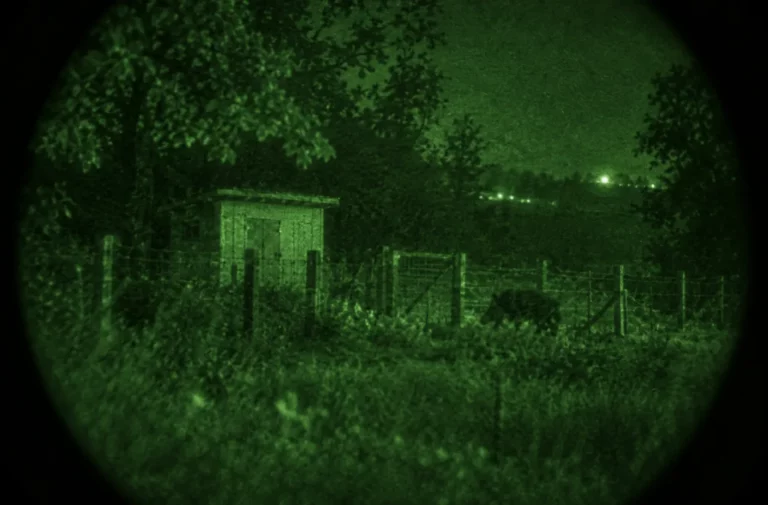
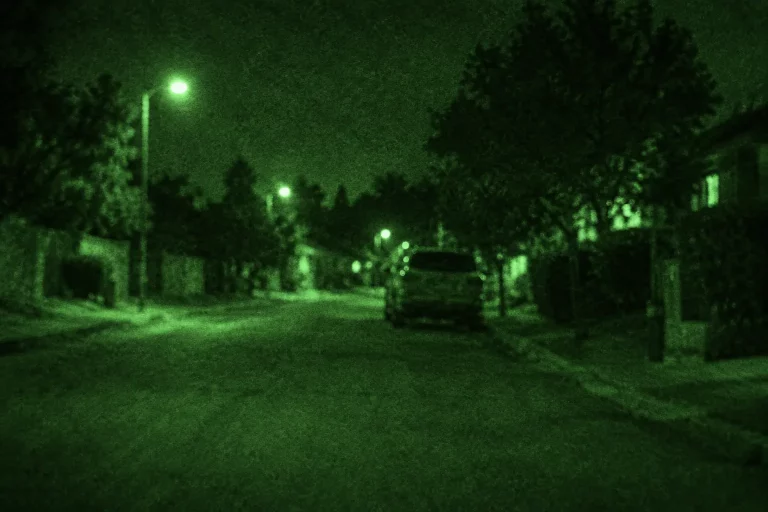
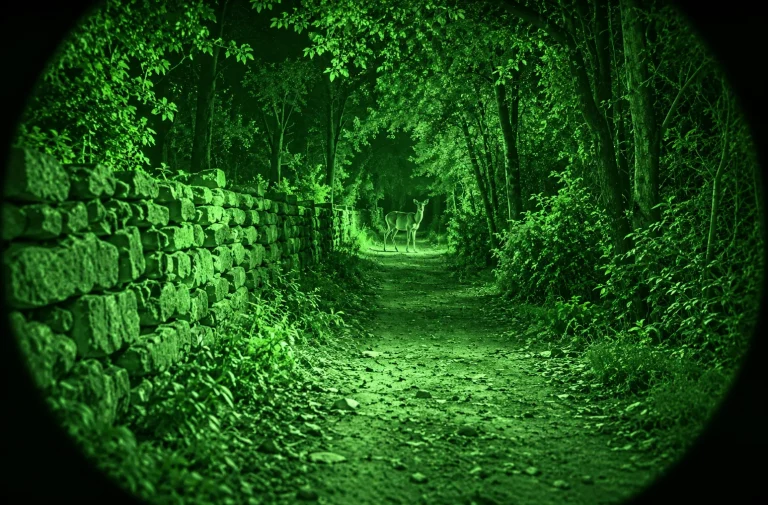
To choose, match the class to the darkest conditions your users will face and to the power budget of the device: Class C draws 15 mA, Classes B and A 25 mA.
JOVSTAR tubes are compact and low-power, with built-in strong-light protection and polarity-reversal protection.
| Parameter | Class C | Class B | Class A |
|---|---|---|---|
| Operating voltage | 2.2–3.4 V | 2.2–3.4 V | 2.2–3.4 V |
| Operating current | 15 mA | 25 mA | 25 mA |
| Power consumption | 33–51 mW | 55–85 mW | 55–85 mW |
| Power supply | Normal | Auto-gating | Auto-gating |
| Cathode effective diameter | 17.5 mm | 17.5 mm | 17.5 mm |
The 2.2–3.4 V input lets a device run directly from a single 3 V CR123A cell. The output window must match the optics: an objective lens forms an inverted image, so a non-inverting tube such as the JV-IT1D or JV-IT20 is used with optics that erect the image, for example in binocular and scope systems. Weight is 80 g per tube (98 g for the JV-IT1D).
JOVSTAR image intensifier tubes are built into four main kinds of devices.
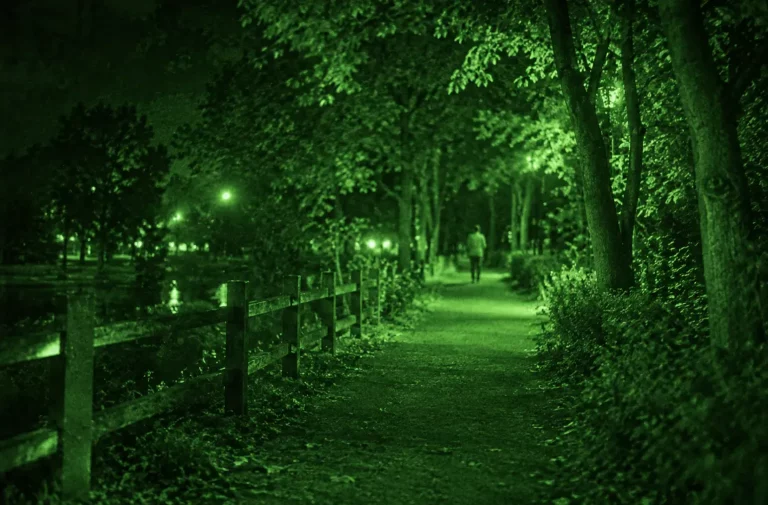
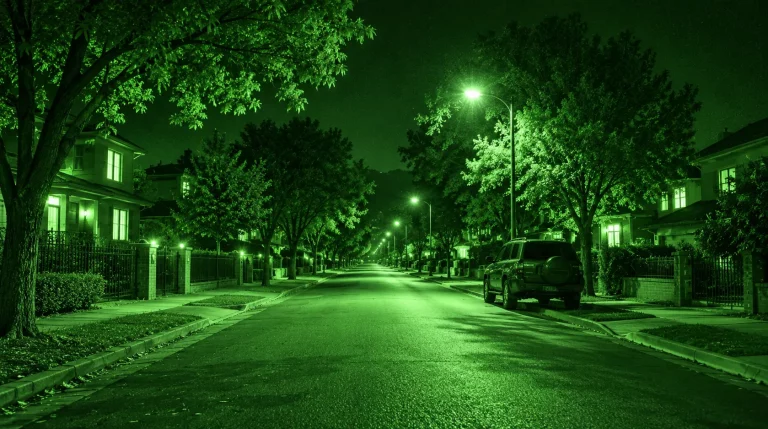
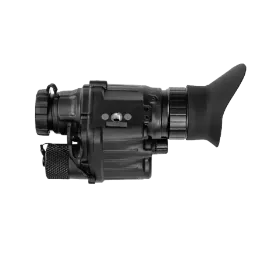
Single-tube monoculars are the most common use, handheld or helmet-mounted. JOVSTAR’s own JV-NVM201 uses a Gen2+ tube with FOM 1400–2200 and runs 60–100 hours on one CR123A.
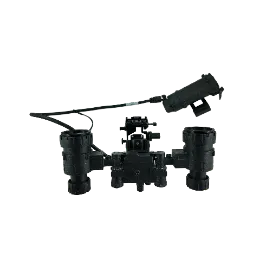
Two-tube goggles give natural depth perception; four-tube goggles such as the JV-NVF201 widen the view to ≥100° horizontal.
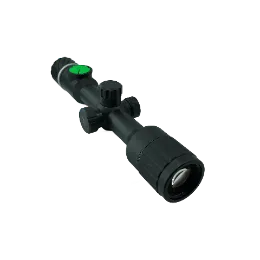
Magnified scopes such as the JV-NSR201 (3.8×) use a tube behind a long-focal-length objective for observation at distance.
In fusion goggles such as the JV-FNV2105, the intensified image is combined with a thermal image. See our night vision goggles guide for complete devices.
JOVSTAR supplies image intensifier tubes to night vision device manufacturers, with support for performance class selection, output window and mechanical requirements, and integration into monoculars, goggles, binoculars and scopes, from samples and prototyping to batch delivery.
Learn more about OEM & ODM customization, our factory and testing capabilities and R&D laboratories. ISO, CE and FCC certifications are shown on our About page.
What figure of merit (FOM) means for image intensifier tubes, how resolution and signal-to-noise ratio combine, and how JOVSTAR Class C, B and A compare.
How auto-gating protects image intensifier tubes and keeps the image usable in changing light, how it differs from bright-light protection, and when to use it.
Answers to Common Image Intensifier Tube Questions
An image intensifier tube is the core of an analog night vision device. Its photocathode turns faint light into electrons, a microchannel plate multiplies them and a phosphor screen turns them back into a bright visible image.
JOVSTAR tubes use S25+ multi-alkali photocathodes with extended red response, which also use the near-infrared light present in the night sky. Sensitivity is 700, 800 or 1000 μA/lm for Classes C, B and A.
Class C offers FOM 1400 with a normal power supply and the lowest power draw. Class B offers FOM 1600 with auto-gating. Class A offers FOM 1800, auto-gating and the highest gain, up to 20,000 cd/m²/lx.
FOM (figure of merit) is the tube’s resolution in line pairs per millimeter multiplied by its signal-to-noise ratio. It is a single overall measure of low-light image quality.
Auto-gating rapidly switches the photocathode voltage as light levels rise. It keeps the image usable when bright lights appear and protects the tube. JOVSTAR Class B and Class A tubes are auto-gated and keep 54 lp/mm resolution at 200 lx.
JOVSTAR tubes run from 2.2–3.4 V, drawing 15 mA (Class C) or 25 mA (Classes B and A), which is 33–85 mW. That allows operation from a single 3 V CR123A cell.
Yes. JOVSTAR supplies tubes to night vision device manufacturers, with support for class selection, output window and mechanical requirements, and integration into monoculars, goggles, binoculars and scopes.