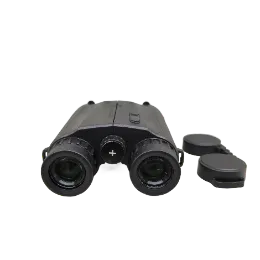
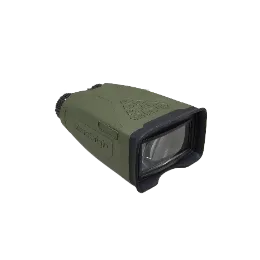
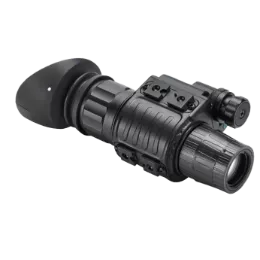
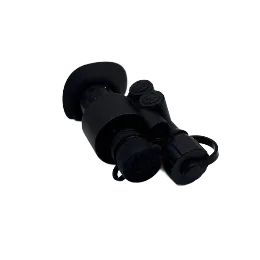
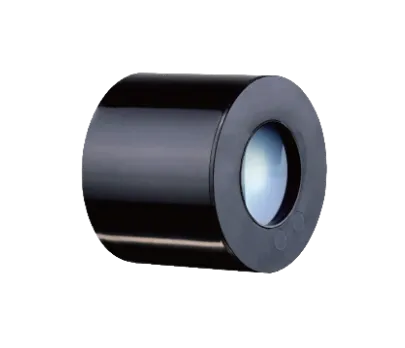
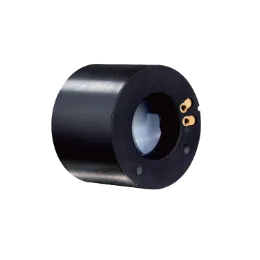
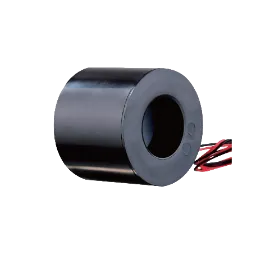
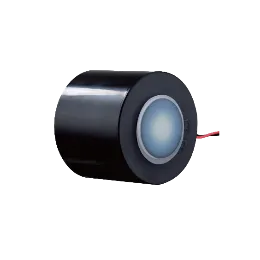
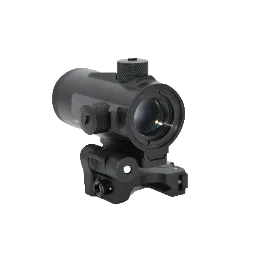
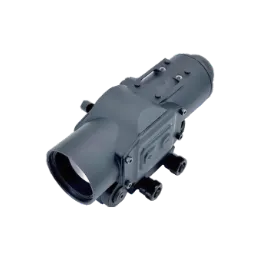
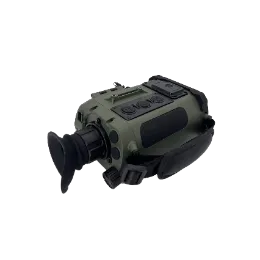
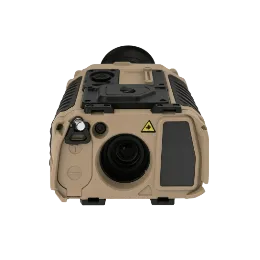
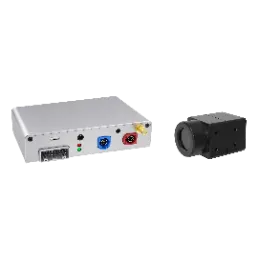
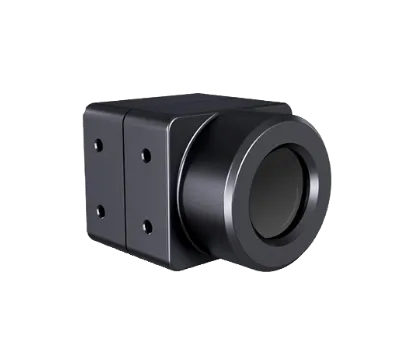
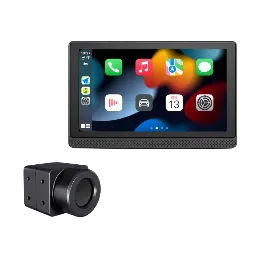
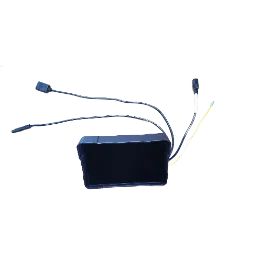
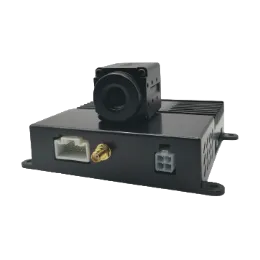
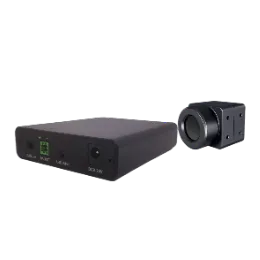


Multipurpose Thermal Imaging Scope
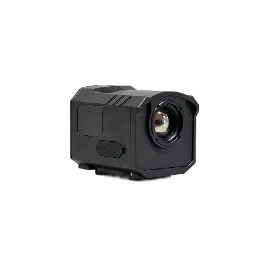

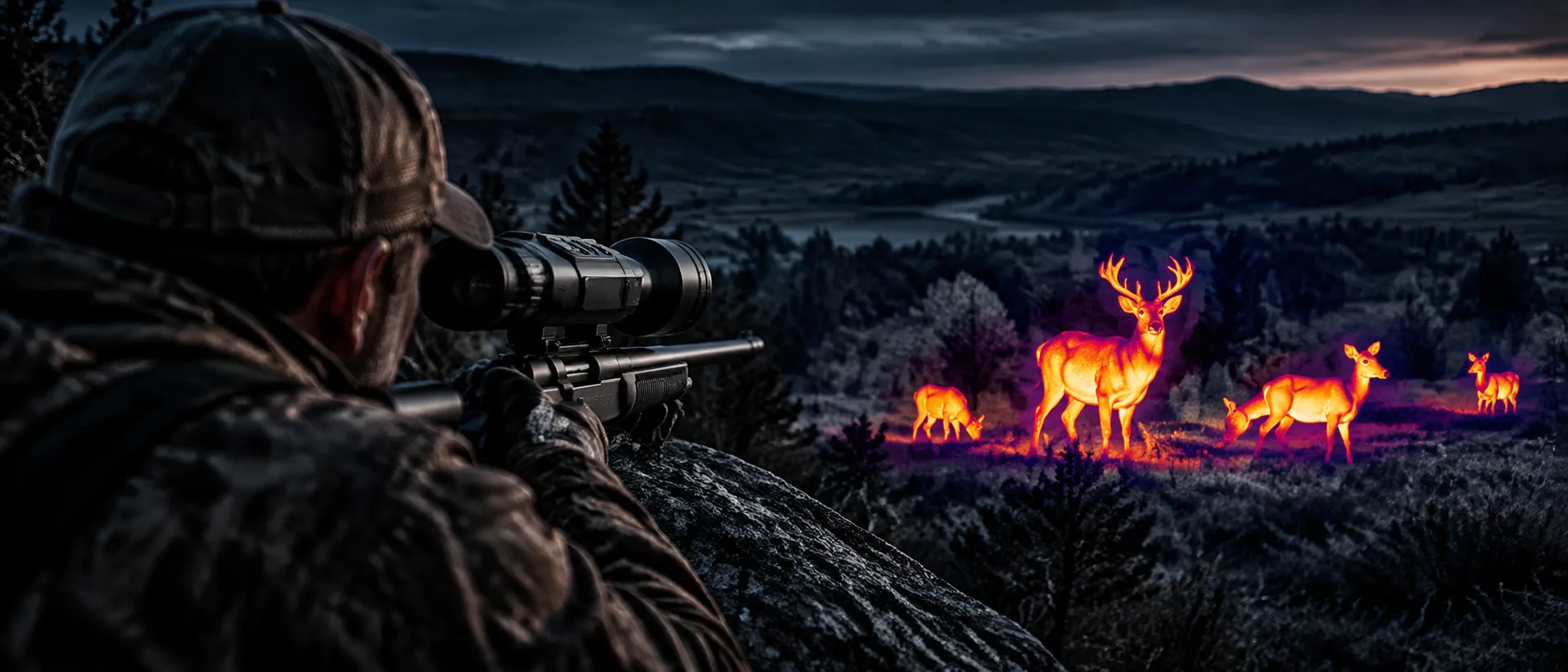
JOVSTAR designs and manufactures thermal imaging monoculars, binoculars, scopes and thermometers, with uncooled detectors up to 640×512, cooled MWIR options and built-in laser ranging up to 12 km.
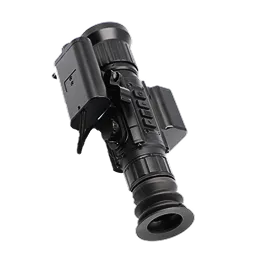
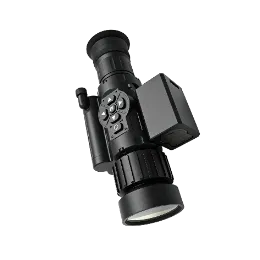
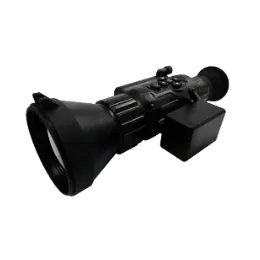
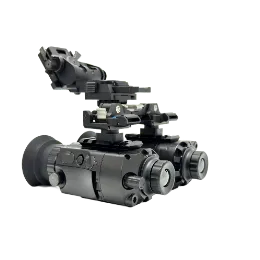
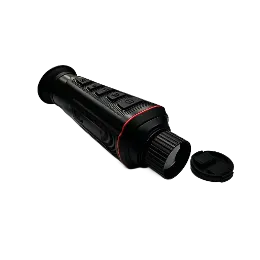
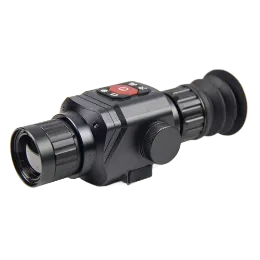
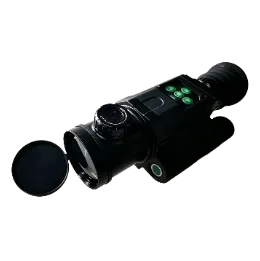
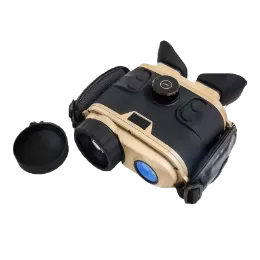
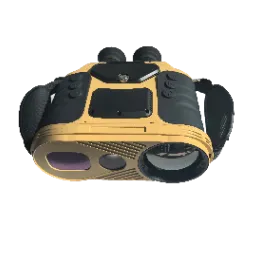
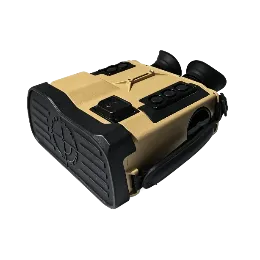
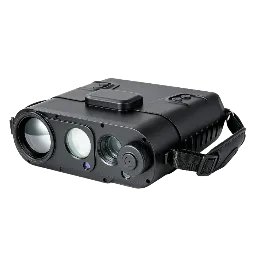
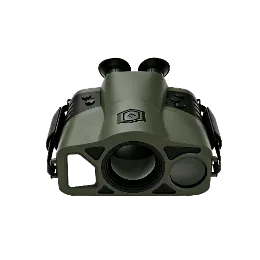
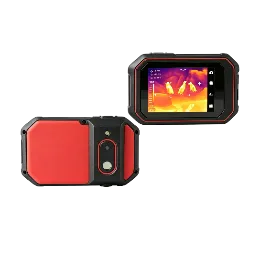
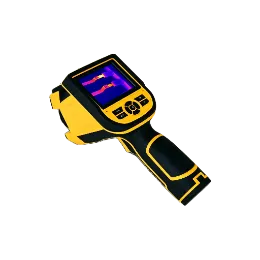
Uncooled 8–14 μm detectors from 256×192 to 640×512 with NETD down to ≤20 mK, plus cooled 3.7–4.8 μm MWIR detectors on the long-range binoculars.
Lenses from 13 mm to 75 mm, and 40–200 mm or 15–300 mm continuous zoom on cooled models, matched to field of view and observation distance.
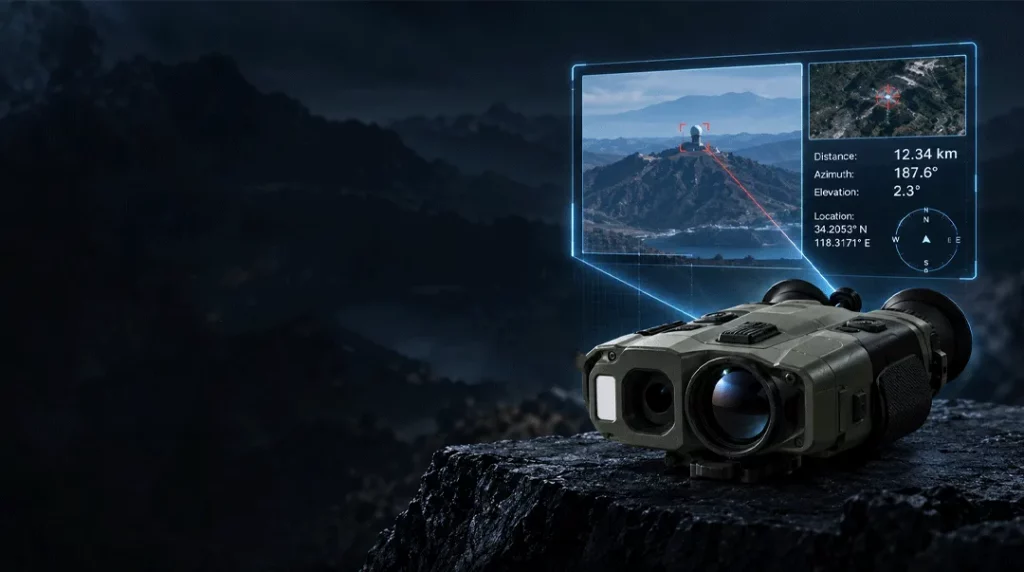
Digital zoom, multiple palettes and OLED displays, with built-in laser ranging from 800 m on thermal scopes to 12 km on multi-sensor binoculars, plus compass and satellite positioning on selected models.
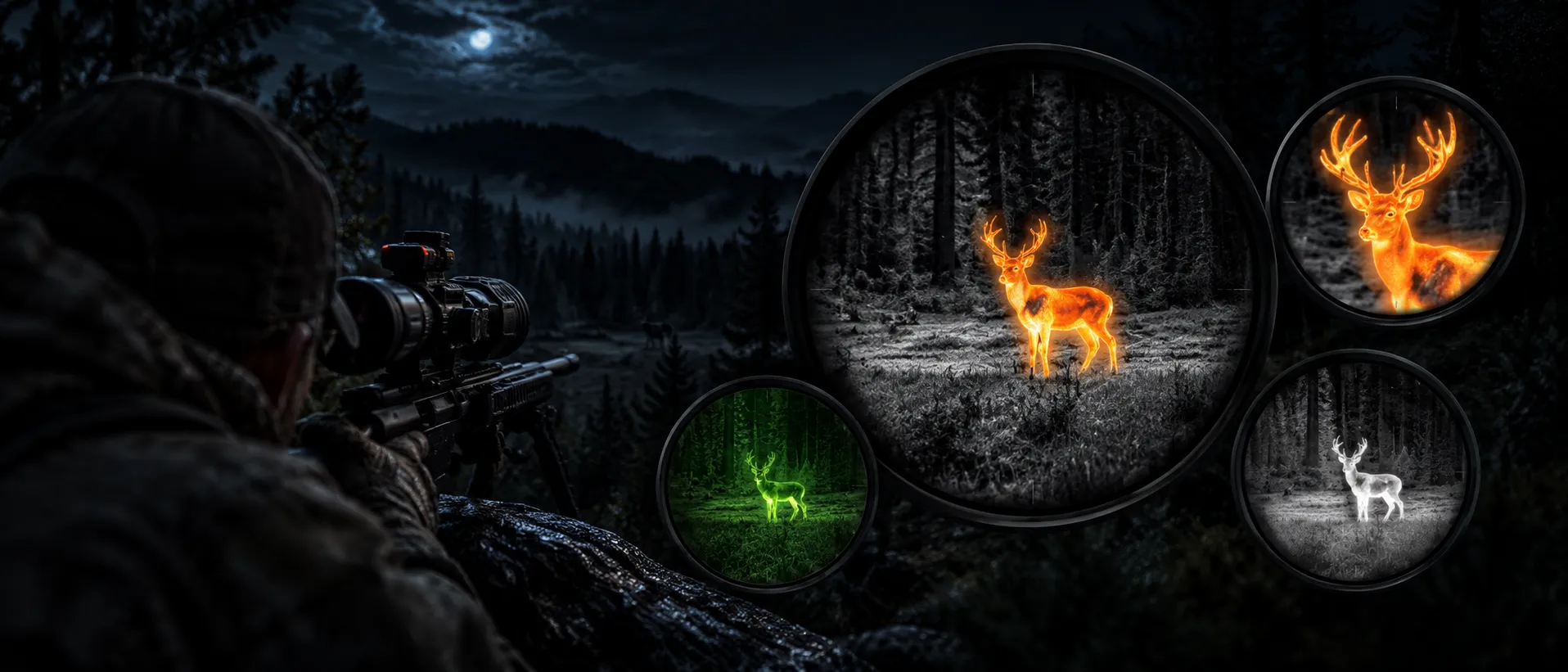
Operating ranges down to -40℃ and up to +60℃, IP66 or IP67 housings depending on model, and 1200G shock resistance on the JV-TSR scope series.
| Parameter | Thermal Imaging Scopes | Handheld Thermal Monoculars | Thermal & Multi-Sensor Binoculars | Thermal Imaging Thermometers |
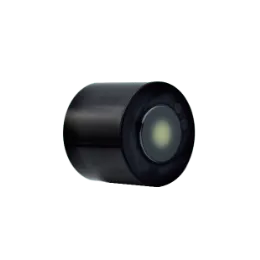
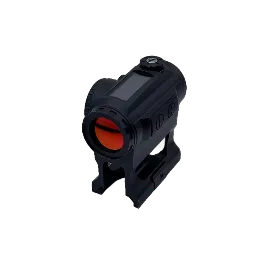
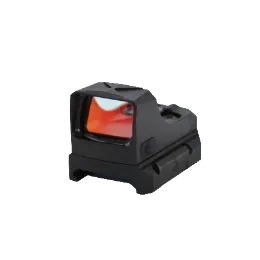
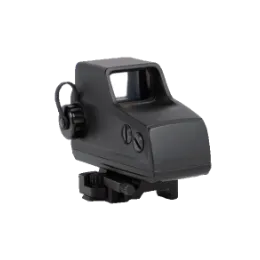
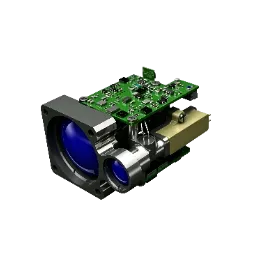
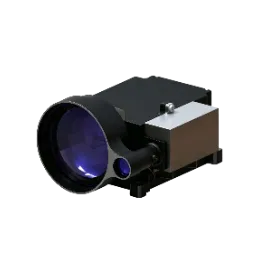
| Product Image | |
|
|
|
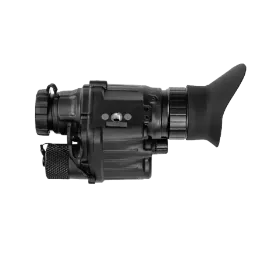
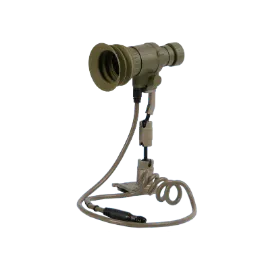
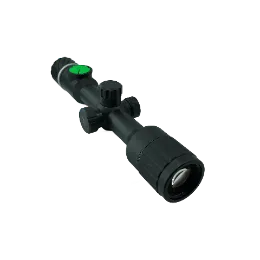
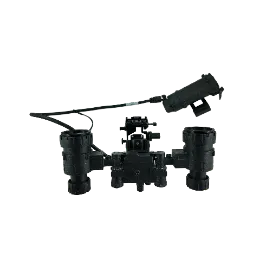
| Models | JV-HTMA213, JV-TSR635, JV-TSR650, JV-TSR675 | JV-HTI625, JV-HTM4125 / 4135, JV-TSRII425 / 435 / 454, JV-TSRII350 | JV-650M, JV-MFB675 series, 5-mode binocular, HMF-6210C, JV-CTMFB655-13T | JV-T256, JV-HTCTIII3101 / 3103 |
| Product Type | Thermal Imaging Scope | Handheld Thermal Monocular | Thermal Binocular (Uncooled or Cooled) | Radiometric Thermal Imager |
| Typical Applications | Hunting, wildlife observation | Patrol, search and rescue, outdoor observation | Border, perimeter and long-range surveillance | Electrical, building and process inspection |
| Detector | Uncooled, 640×512 (256×192 on JV-HTMA213) | Uncooled, 384×288 or 640×480 | Uncooled 640×512, or cooled MWIR 640×512 | Uncooled, 160×120 to 384×288 |
| Spectral Band | 8–14 μm | 8–14 μm | 8–14 μm (uncooled); 3.7–4.8 μm (HMF-6210C) | 8–14 μm |
| NETD | ≤20–30 mK | <40–50 mK | <25–40 mK | ≤50–60 mK |
| Lens | 13–75 mm | 25–54 mm | 50–75 mm; 40–200 mm or 15–300 mm zoom (cooled) | 6 mm (JV-T256) |
| Rated Range | Animal recognition 1.5–2.8 km | Human detection 550–2,100 m | Human detection 3.0 km (JV-650M) | Measurement -20 ~ +650℃ (to +1200℃) |
| Laser Ranging | 800 m – 1 km (JV-TSR series) | Optional (JV-HTI625) | 6 – 13 km on multi-sensor and cooled models | — |
| Display | 1024×768 OLED (466×466 touch on JV-HTMA213) | 1024×768 or 1440×1080 OLED | 1024×768 OLED or 1920×1080 OLED | 3.5" TFT touchscreen |
| Operating Time | 6–8 h (≤5 h on JV-HTMA213) | Approx. 5–8 h | Approx. 8 h (JV-650M); ≥4 h (cooled) | ≥4 h |
| Operating Temperature | -40℃ ~ +60℃ (JV-HTMA213: -20℃ ~ +50℃) | -20℃ ~ +50℃ to -40℃ ~ +60℃ | -30℃ ~ +55℃ to -40℃ ~ +60℃ | -15℃ ~ +50℃ (JV-T256) |
| Weight | 115 g (JV-HTMA213) | 360 g – <850 g | ≤1.1 kg – ≤3.8 kg | 200 g (JV-T256) |
A thermal imaging camera forms an image from the infrared heat that objects give off, so it works in total darkness and through smoke and light haze without any illumination. JOVSTAR builds thermal imaging scopes, handheld thermal monoculars, thermal and multi-sensor binoculars, and thermal imaging thermometers. They use uncooled detectors from 160×120 to 640×512, cooled MWIR detectors on the long-range binoculars, and built-in laser ranging up to 12 km on selected models.
Choose a thermal monocular for handheld observation, patrol and search work. Choose a thermal imaging scope for hunting and wildlife observation with a rail mount and built-in laser ranging. Choose a multi-sensor binocular when you need thermal and visible imaging, long-range laser ranging and target positioning in one device, and a cooled binocular for the longest observation distances. Choose a thermal imaging thermometer when you need to measure temperature rather than observe.
| Model | Type | Detector | NETD | Lens | Rated range | Laser ranging |
|---|---|---|---|---|---|---|
| JV-HTMA213 | Multipurpose scope, 115 g | 256×192, 12 μm | ≤20 mK | 13 mm F0.9 | Detection 700 m | — |
| JV-TSR635 | Thermal scope | 640×512 | ≤30 mK | 35 mm | Animal recognition 1.5 km | 800 m (±2 m) |
| JV-TSR650 | Thermal scope | 640×512 | ≤30 mK | 50 mm | Animal recognition 1.8 km | 800 m (±2 m) |
| JV-TSR675 | Thermal scope | 640×512 | ≤30 mK | 75 mm | Animal recognition 2.8 km | 1 km (±2 m) |
| JV-HTI625 | Monocular, 360 g | 640×480 | ≤40 mK | 25 mm | Animal recognition 0.6 km | Optional |
| JV-HTM4125 / 4135 | Monocular | 384×288 | ≤50 mK | 25 / 35 mm | Human detection 550 / 1,150 m | — |
| JV-TSRII425 / 435 / 454 | Monocular, 16 GB storage | 384×288, 17 μm | — | 25 / 35 / 54 mm | Human detection 1,670 / 1,900 / 2,100 m | — |
| JV-TSRII350 | Monocular, IP66 | 384×288, 17 μm | <40 mK | 50 mm F1.0 | Human detection 1,800 m | — |
| JV-650M | Binocular, IP66 | 640×512, 12 μm | <40 mK | 50 mm F1.0 | Human detection 3.0 km | — |
| JV-MFB675-5006 / 5008 / 5012 | Thermal + visible binocular, GNSS, compass | 640×512, 12 μm | ≤40 mK | 75 mm F1.0 | — | 6 / 8 / 12 km |
| 5-mode binocular | Thermal + low-light + visible | 640×512, 12 μm | <25 mK | 70 mm F1.2 | — | 9 km (1535 nm) |
| HMF-6210C | Cooled MWIR binocular | 640×512, 15 μm | <25 mK | 40–200 mm zoom | — | 50–8,000 m (max 10 km) |
| JV-CTMFB655-13T | Cooled MWIR + visible binocular | 640×512 | — | 15–300 mm zoom | — | ≥10 km vehicle, ≥13 km building |
| JV-T256 | Pocket thermometer, 200 g | 256×192 | ≤50 mK | 6 mm F1.0 | -20 ~ +650℃ | — |
| JV-HTCTIII3101 / 3103 | Inspection thermometer | 160×120 / 384×288 | ≤60 / ≤50 mK | 25° × 19° FOV | -20 ~ +650℃ (to +1200℃ on 3103) | — |
Detection, recognition and range figures are each model’s stated values for its own target and conditions. See each product page for full specifications.
Every object above absolute zero emits infrared radiation, and warmer objects emit more. A thermal camera focuses that radiation through an infrared lens onto a detector array, measures the tiny differences in heat across the scene, and turns them into an image on a display.
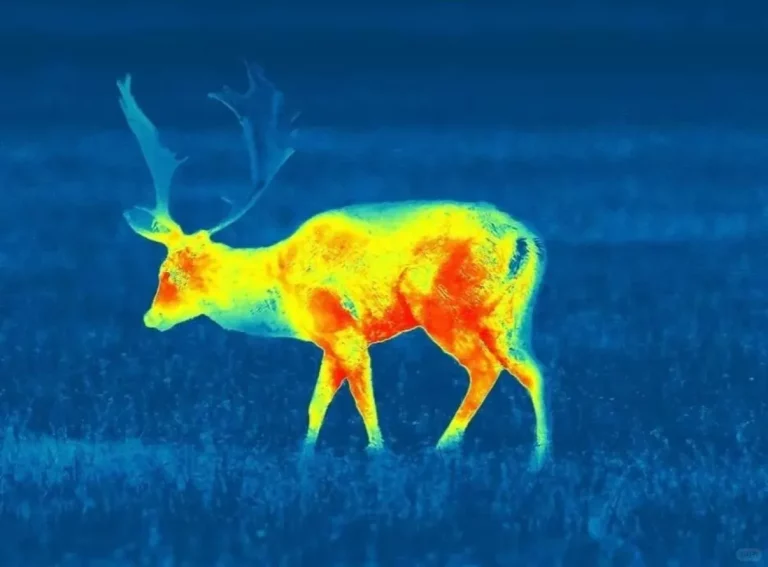
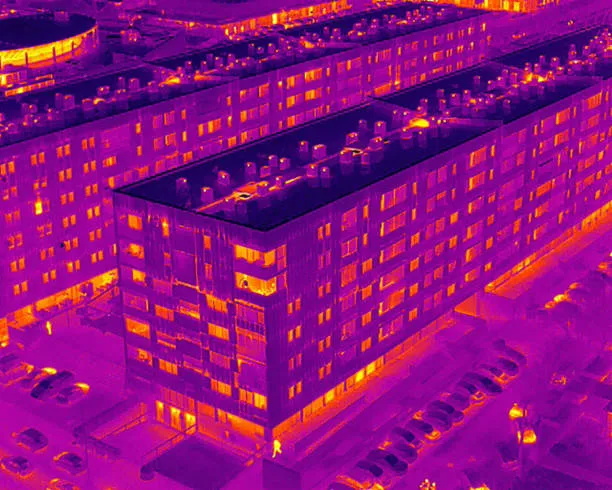
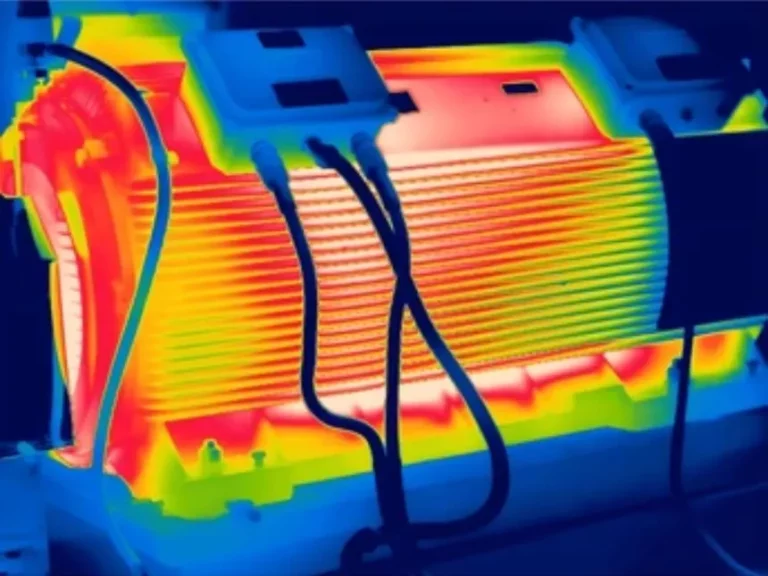
Most JOVSTAR thermal cameras use uncooled vanadium oxide (VOx) microbolometers that sense long-wave infrared in the 8–14 μm band. Each pixel warms slightly when infrared radiation falls on it, and its electrical resistance changes. Uncooled detectors start in seconds (≤3 seconds on the JV-TSR scopes), run on small batteries and suit handheld devices: the JV-HTMA213 weighs 115 g and the JV-HTI625 360 g.
Cooled detectors are chilled to cryogenic temperatures and sense mid-wave infrared (3.7–4.8 μm on the HMF-6210C). They are far more sensitive, which allows long zoom lenses with a small aperture: the HMF-6210C uses a 40–200 mm F4.0 lens and the JV-CTMFB655-13T a 15–300 mm F4.0 lens. The trade-off is weight, cost and power: these binoculars weigh ≤3.2 kg and ≤3.8 kg.
Resolution is the number of detector pixels, from 160×120 to 640×512 across the JOVSTAR range. Pixel pitch (12, 15 or 17 μm) is the size of each pixel; together with focal length it sets how much of the scene each pixel sees. NETD (noise-equivalent temperature difference) is the smallest temperature difference the camera can show. Lower is better: ≤20 mK on the JV-HTMA213 and <25 mK on the cooled binoculars, compared with 40–50 mK on entry monoculars.
The choice comes down to how far you need to see and how much weight, power and budget you can accept.
For a side-by-side summary of the product classes, see Core Specifications above.
A thermal camera’s range depends on the lens focal length, the detector’s pixel pitch and sensitivity, the target’s size and temperature contrast, and the atmosphere.
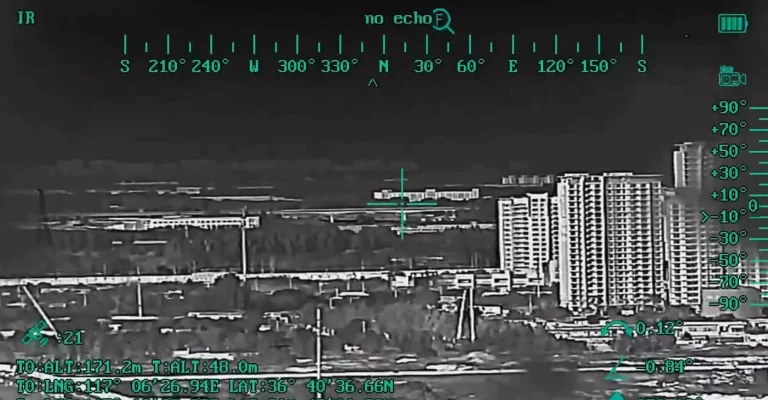
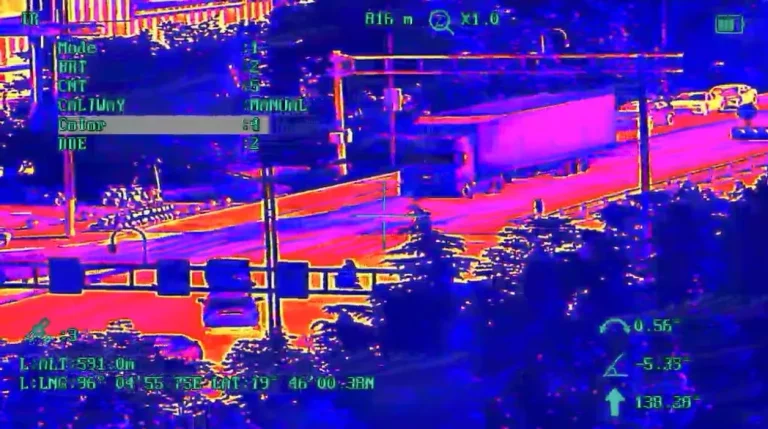
Range figures are usually given for three tasks. Detection means noticing that something is there, recognition means telling what class of object it is (person, vehicle or animal), and identification means telling one of that class from another. Each task needs more pixels on the target, so each range is shorter than the one before. The JV-650M, for example, detects a person at 3.0 km but recognizes one at 1.0 km, and detects a vehicle at 6.5 km but recognizes one at 2.3 km.
Focal length has the biggest effect. The JV-TSRII4 series uses the same 384×288 detector with three lenses: human detection rises from 1,670 m with the 25 mm lens to 1,900 m with 35 mm and 2,100 m with 54 mm, while the field of view narrows from 14.9° × 11.2° to 6.9° × 5.2°.
To choose a model, decide which task you need at what distance, then compare the matching figure: recognition for hunting, detection for perimeter watch. A wide lens suits searching close terrain; a long lens suits watching open ground.
Observation cameras show relative heat; they are built to find people, animals and vehicles. Thermal imaging thermometers are radiometric: they are calibrated to measure the temperature of each point in the image.
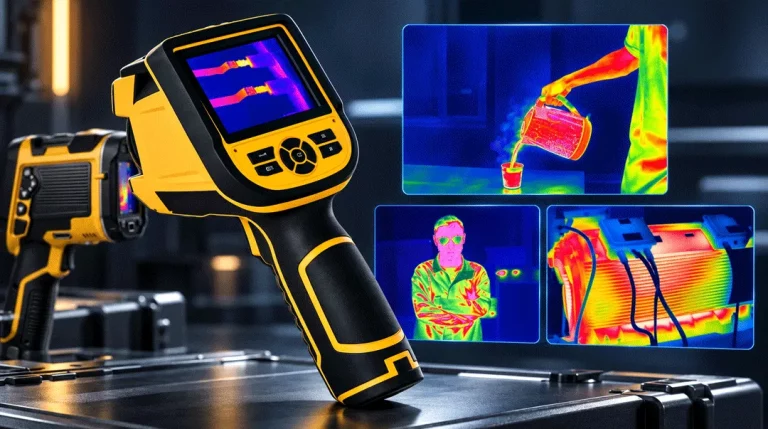
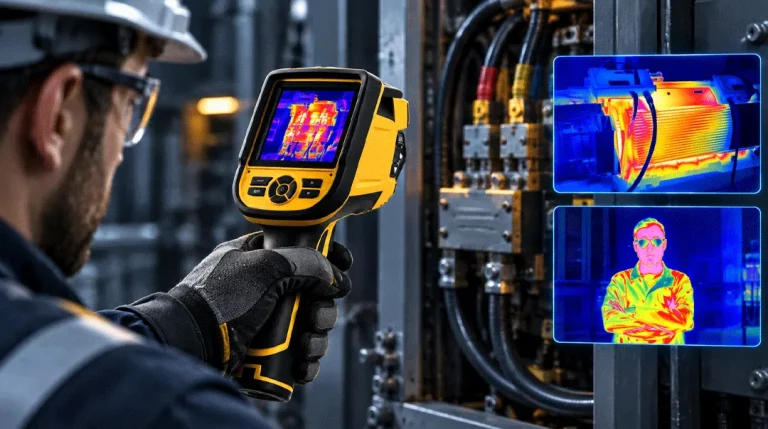
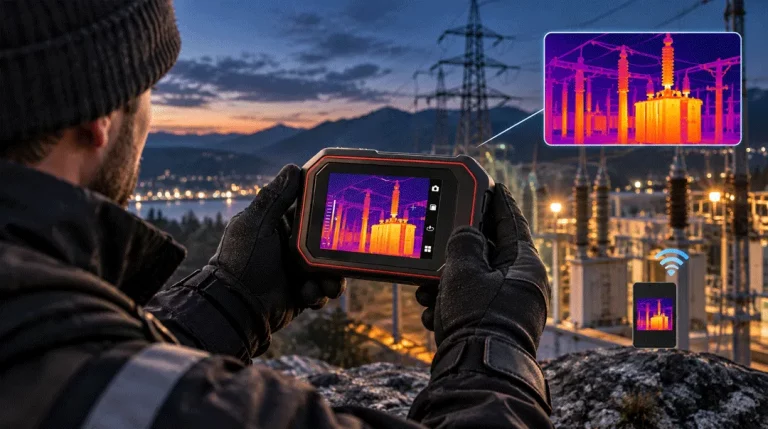
Accurate readings depend on setting the correct emissivity for the surface and measuring from a distance where the target fills enough pixels; the spatial resolution is 2.0 mrad on the JV-T256 and 1.36 mrad on the JV-HTCTIII3103.
JOVSTAR thermal imaging cameras are used in four main kinds of work.
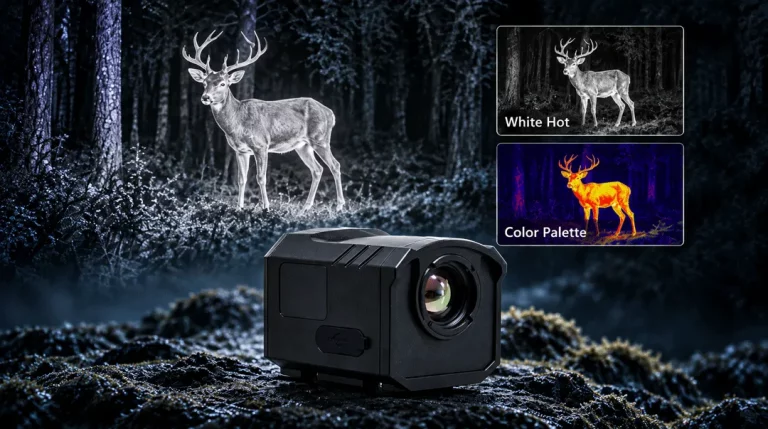
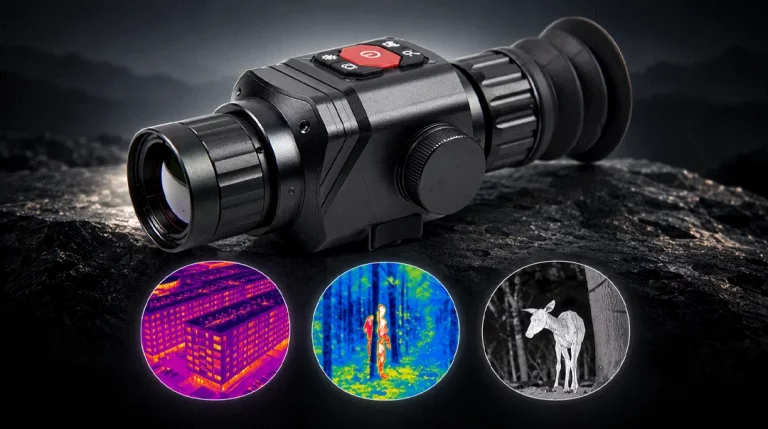
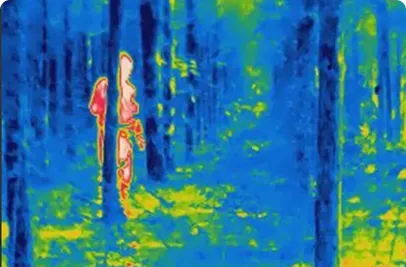
The JV-TSR scopes combine 640×512 detectors with built-in laser ranging, compass and pitch angle, and recognize animals at 1.5–2.8 km. The JV-HTI625 and the JV-HTMA213 are light handheld options for tracking and wildlife surveys.
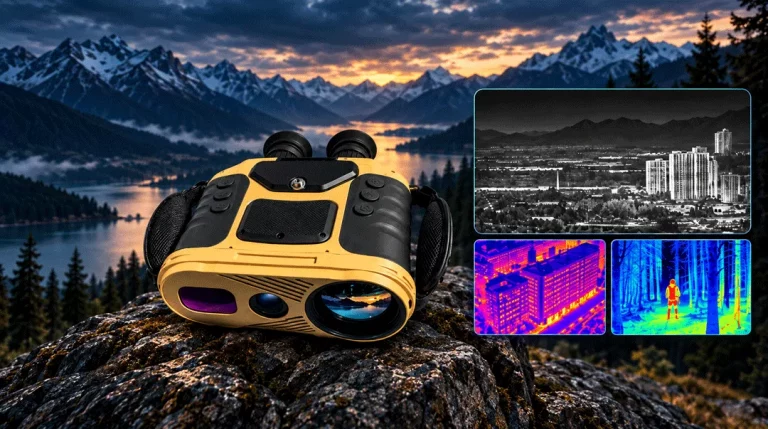
Long-range binoculars such as the JV-650M, the JV-MFB675 series and the cooled HMF-6210C detect people and vehicles at several kilometers and, on multi-sensor models, measure their distance and position. See the Border and Perimeter Security System Solution and the Night Surveillance System Solution.
Handheld monoculars find people by body heat in darkness, smoke or vegetation. The JV-HTM4125 and JV-HTM4135 run for 5 hours and charge over USB; the JV-TSRII4 series records to 16 GB of built-in storage.
The JV-T256 and JV-HTCTIII series measure temperature on electrical panels, power lines, building envelopes and process equipment, and store images for reports.
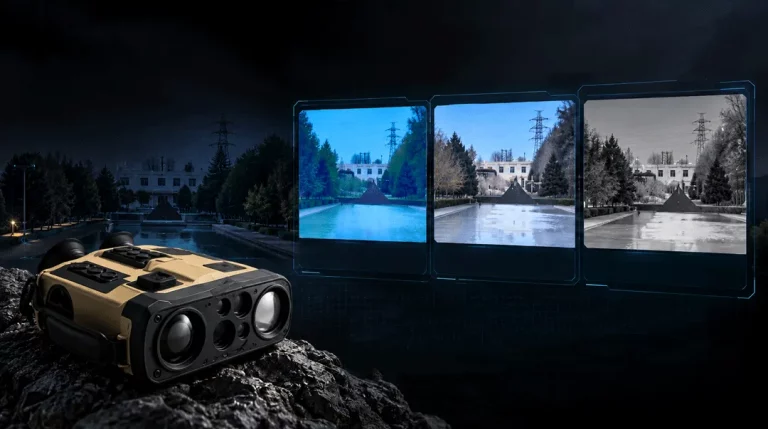
For teams that need to find a target, measure its distance and record its position with one device, JOVSTAR integrates thermal imaging with visible cameras, eye-safe laser rangefinders, digital compasses and satellite positioning.
The ranging technology in these devices is covered in our laser rangefinder selection guide.
JOVSTAR supports project-level customization of thermal imaging products, covering detector and lens selection, display and imaging functions, mounting interfaces, housings and system integration, from product configuration and prototyping to batch delivery. Thermal imaging can also be combined with JOVSTAR laser ranging, night vision and vehicle-mounted platforms.
Learn more about OEM & ODM customization, our factory and testing capabilities and R&D laboratories. ISO, CE and FCC certifications are shown on our About page.
What detection, recognition and identification ranges mean for a thermal camera, how lens, pixel pitch and NETD set them, and how to choose by DRI.
Compare cooled MWIR and uncooled LWIR thermal cameras on range, sensitivity, lenses, start-up time, weight and cost, with JOVSTAR examples.
How to choose a thermal monocular: lens and field of view, detector resolution, NETD, display, recording, battery life and protection, with JOVSTAR models.
Answers to Common Thermal Imaging Questions
A thermal imaging camera forms an image from the infrared heat that objects emit, so it works in total darkness and through smoke and light haze without any illumination. JOVSTAR makes thermal monoculars, binoculars, scopes and thermometers with detectors from 160×120 to 640×512.
Thermal imaging detects heat and needs no light at all. Image-intensified night vision amplifies small amounts of visible and near-infrared light, so it shows more scene detail but needs some ambient light. Thermal imaging is better for detecting people and animals; night vision is better for navigation and recognizing details.
NETD (noise-equivalent temperature difference) is the smallest temperature difference the camera can show. Lower is better. JOVSTAR thermal cameras range from ≤20 mK on the JV-HTMA213 and <25 mK on the cooled binoculars to 40–50 mK on entry monoculars.
It depends on the lens, the detector and the target. The JV-650M detects a person at 3.0 km and recognizes one at 1.0 km; the JV-TSR675 scope recognizes animals at 2.8 km. Detection ranges are always longer than recognition ranges.
Uncooled cameras sense 8–14 μm long-wave infrared, start in seconds and are light and low in power. Cooled cameras sense 3.7–4.8 μm mid-wave infrared with higher sensitivity and support long zoom lenses, such as the 40–200 mm lens on the HMF-6210C, but are heavier and cost more.
Selected models do. The JV-TSR scopes range to 800 m or 1 km, the JV-MFB675 series to 6, 8 or 12 km, the 5-mode binocular to 9 km and the JV-CTMFB655-13T to ≥13 km on buildings.
Only radiometric models measure temperature. The JV-T256 measures -20℃ to +650℃ with ±2℃ or ±2% accuracy, and the JV-HTCTIII3103 measures up to +1200℃. Observation cameras show relative heat for finding targets.
Yes. JOVSTAR supports project-level customization covering detector and lens selection, display and imaging functions, mounting interfaces, housings and system integration.