



Thermal Driver Vision with AI
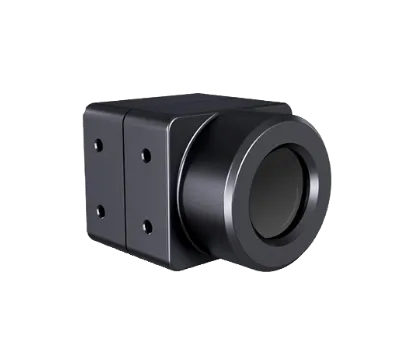
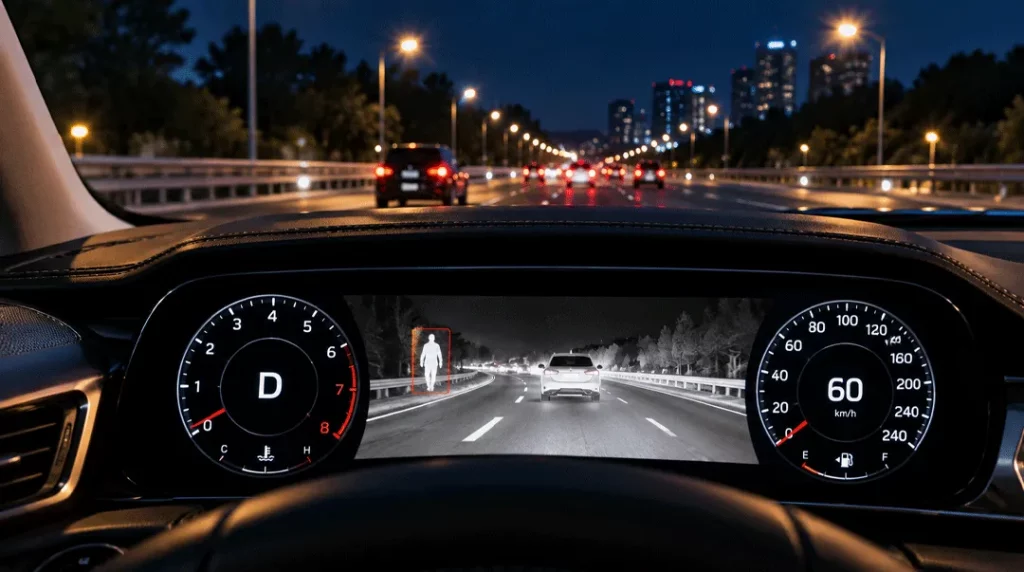
A 3 TOPS processor recognizes people and vehicles at 21 frames per second or more and warns the driver on screen and by sound.

Solutions
Thermal driver vision, crew observation and laser ranging configured into situational awareness systems for vehicles.
See hazards beyond the headlights, find people and vehicles kilometers away and measure their distance and position, with thermal, night vision and laser ranging equipment configured for your vehicles and screens.
Get a System Quote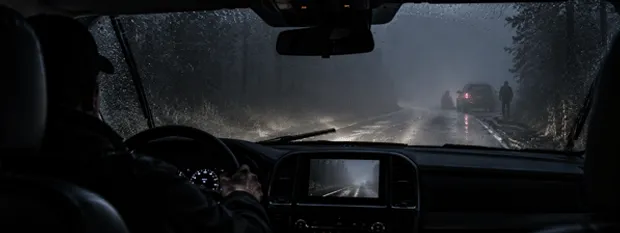
 Headlights reach only a short distance, and glare hides people and animals
 Crews need more than a driver camera: observation, distance and position when stopped
 Vehicle equipment must handle vibration, cold, heat and 12 V or 24 V power
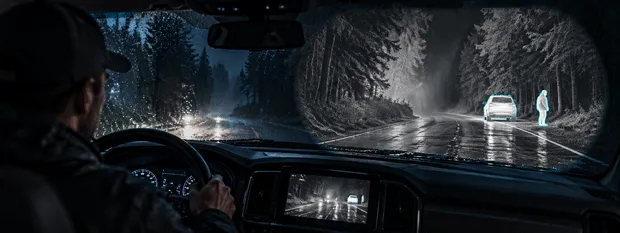
 Thermal driver vision with AI warnings: person detection 859 m (9.1 mm lens)
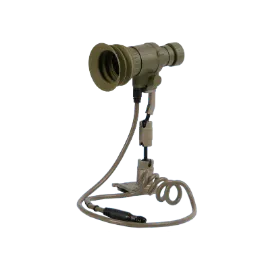
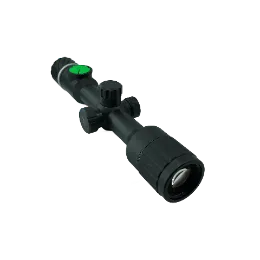
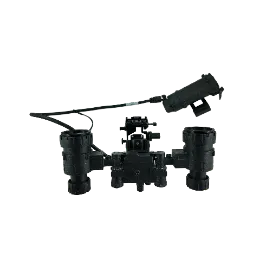
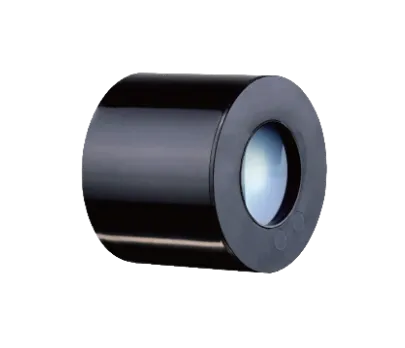
 Thermal binoculars, fusion goggles and 1535 nm laser ranging for crews
 DC 9–36 V units, IP67 cameras and AHD, HDMI or CVBS video output
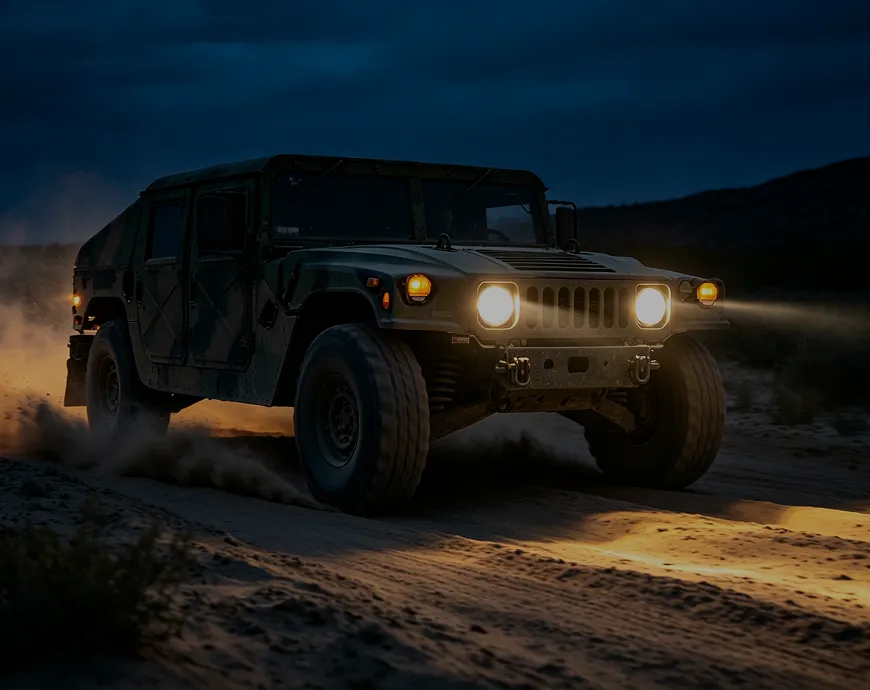

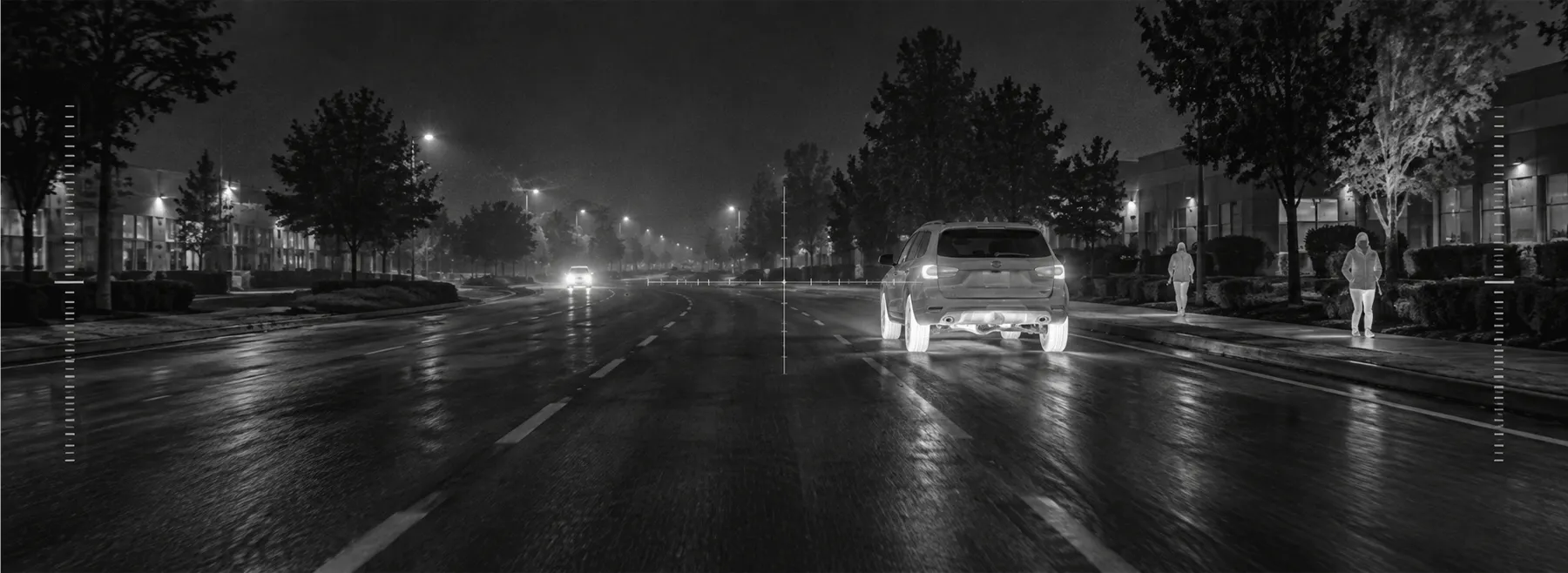
Built for Precision at Every Stage
A 3 TOPS processor recognizes people and vehicles at 21 frames per second or more and warns the driver on screen and by sound.

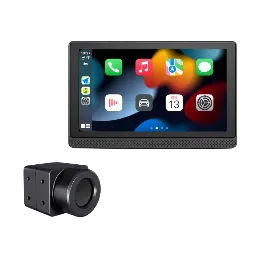
CarPlay, Android head units, factory screens and AHD, HDMI or CVBS outputs, with DC 9–36 V power for cars, trucks and machinery.

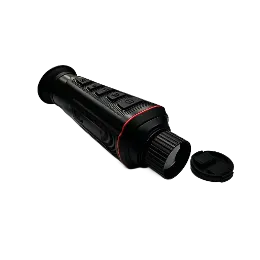
Handheld thermal devices, fusion goggles and 1535 nm laser rangefinders for crews, all from one manufacturer.

Equipment is tested for temperature cycling, vibration, water and dust protection and salt spray; vehicle cameras use IP67 housings.
A vehicle situational awareness system gives the driver and crew a clear picture of what is around the vehicle, day and night: hazards on the road ahead, people and vehicles in the distance, and their exact range and position. JOVSTAR builds these systems from its own automotive thermal night vision, handheld thermal and night vision, and 1535 nm laser ranging equipment, from a single driver camera to project-level fleets.
Start from the vehicle and its work: the speeds it drives at night, whether the crew observes only while driving or also when stopped, which screens and fleet systems are already on board, and whether the 12 V or 24 V supply is available. Then build the system from the layers below.
| Layer | Purpose | Typical JOVSTAR equipment | Key capability |
|---|---|---|---|
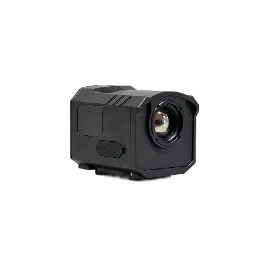
| Driver vision | See the road beyond the headlights | JV-ADS-S5, JV-ADS-S7 | Person detection 859 m (9.1 mm lens); AI warnings for people and vehicles |
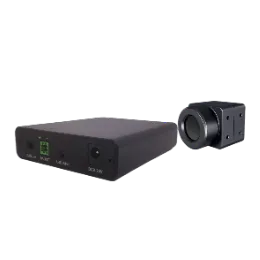
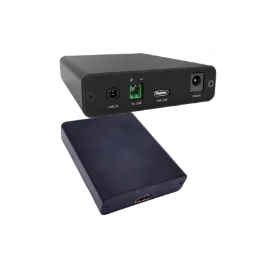
| Video to vehicle systems | Feed monitors, mirrors and fleet systems | AHD, HDMI and CVBS / USB output units | AHD 720p / 1080p, DC 9–36 V |
| Roof or mast observation | Long-range observation and ranging from the vehicle | Integration with JV-LRF1508AD or JV-LRF1505AD modules | Person ranging ≥5,500 m (JV-LRF1508AD), RS422 / TTL |
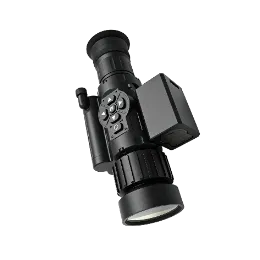
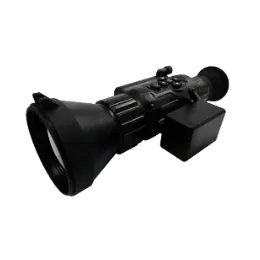
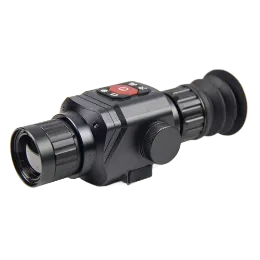
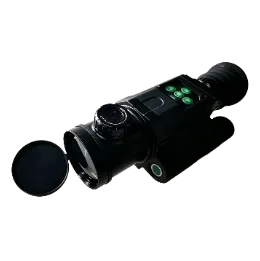
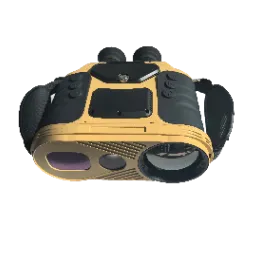
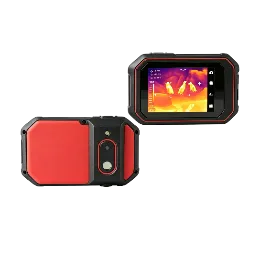
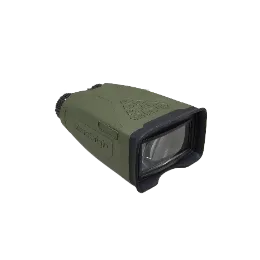
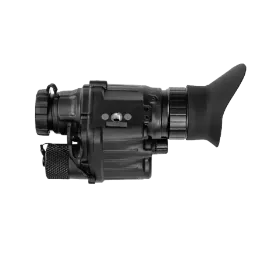
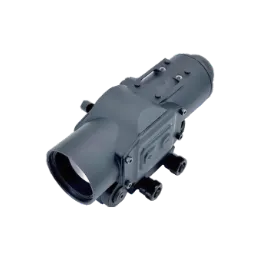
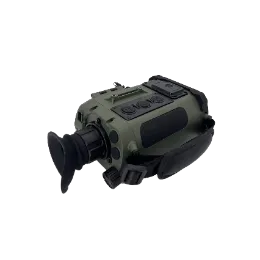
| Crew observation when stopped | Find, measure and locate targets | JV-650M, JV-MFB675 series, JV-LRFM10 | Person detection 3.0 km; target positioning ≤20 m |
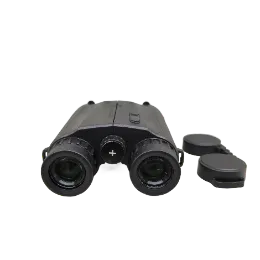
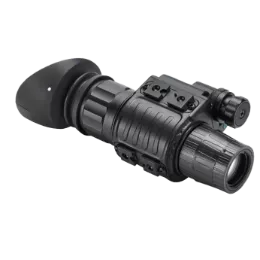
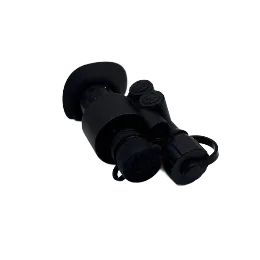
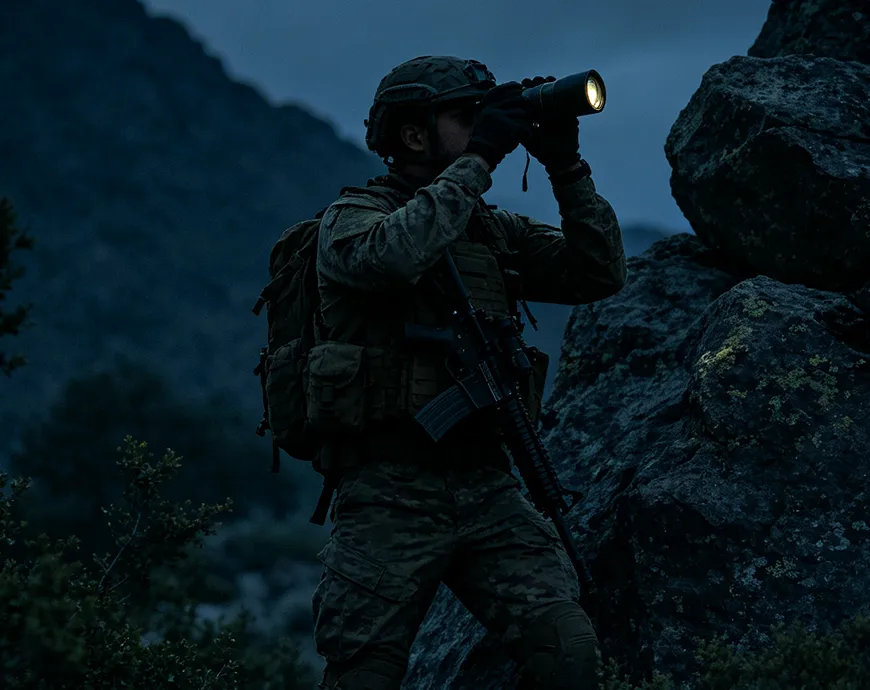
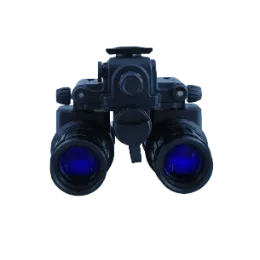
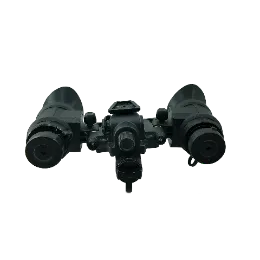
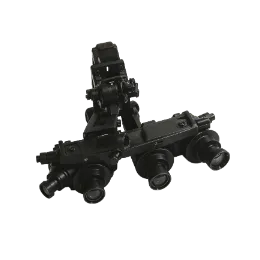
| Crew movement at night | Work safely around the vehicle and on foot | JV-DNV2105, JV-NVD401 | Person recognition ≥200 m in fusion mode; ≥90° panoramic view |
Ranges are each product’s stated values for its own targets and conditions. See each product page for full specifications.
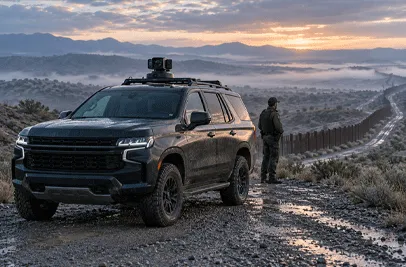
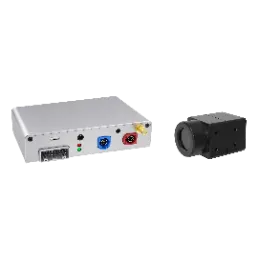
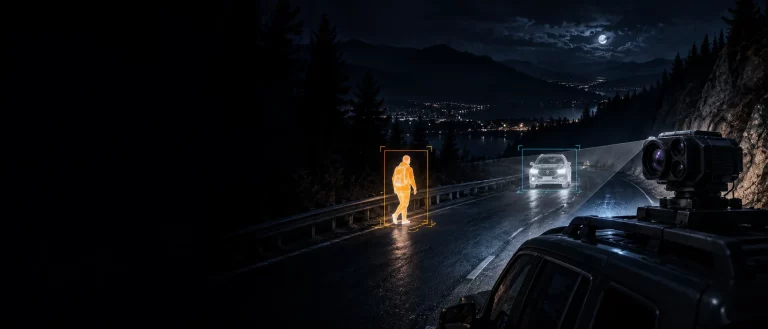
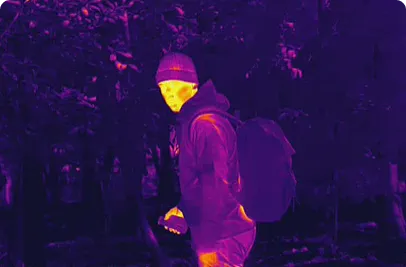
A thermal camera mounted outside the windshield shows the road by heat, so pedestrians, animals and vehicles stand out in darkness, headlight glare, smoke and haze. A 3 TOPS processor recognizes people and vehicles at 21 frames per second or more and warns the driver on screen and by sound, with three warning levels on the JV-ADS-S7. See the vehicle-mounted thermal camera guide.
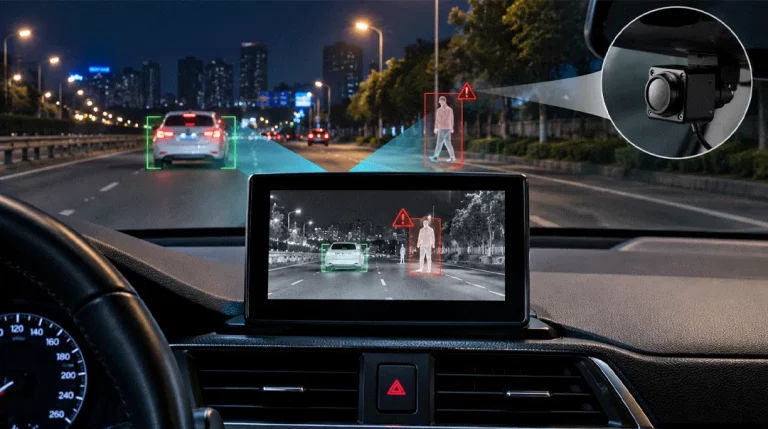
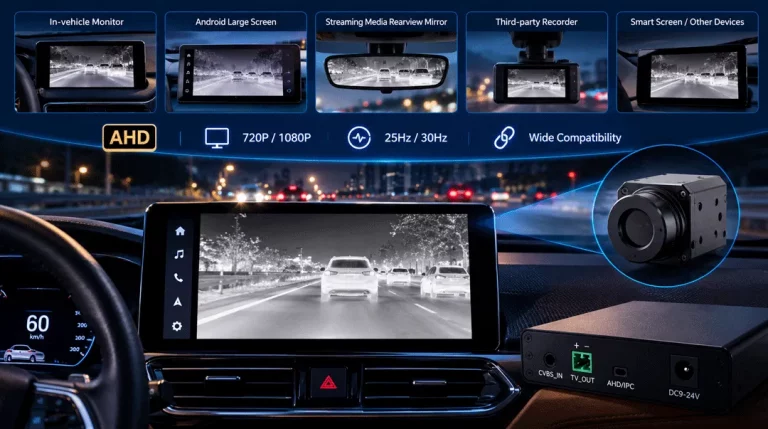
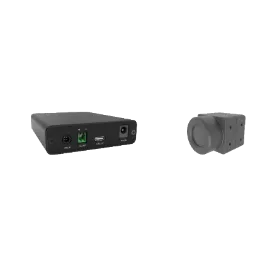
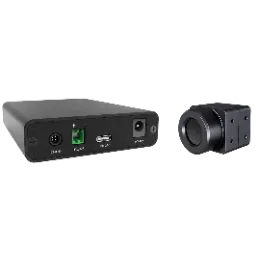
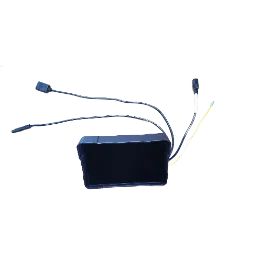
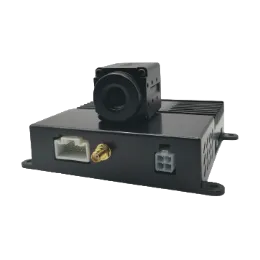
Video-output units send the thermal image as AHD, HDMI or CVBS to monitors, streaming rear-view mirrors and fleet systems, so the crew does not need a separate screen for each sensor. Our guide to car thermal camera display options compares the connections.
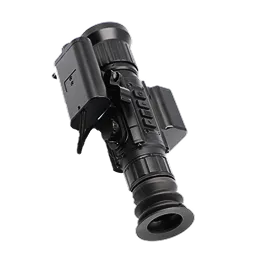
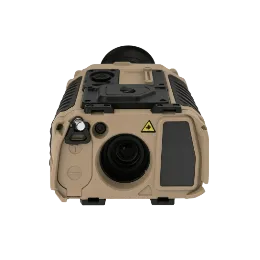
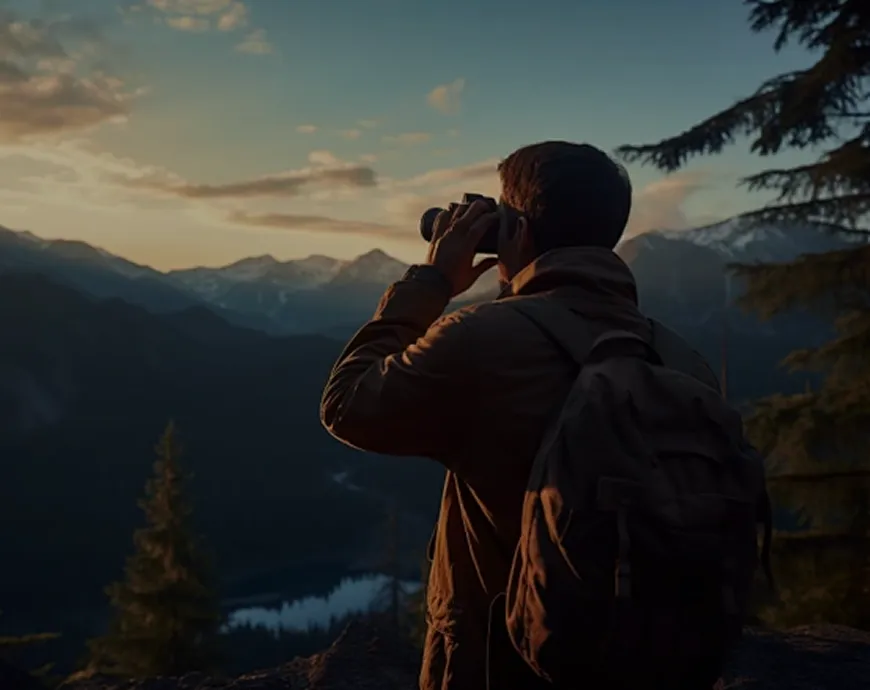
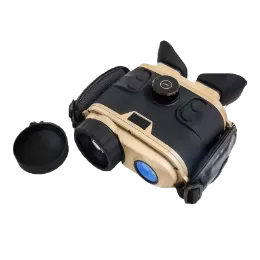
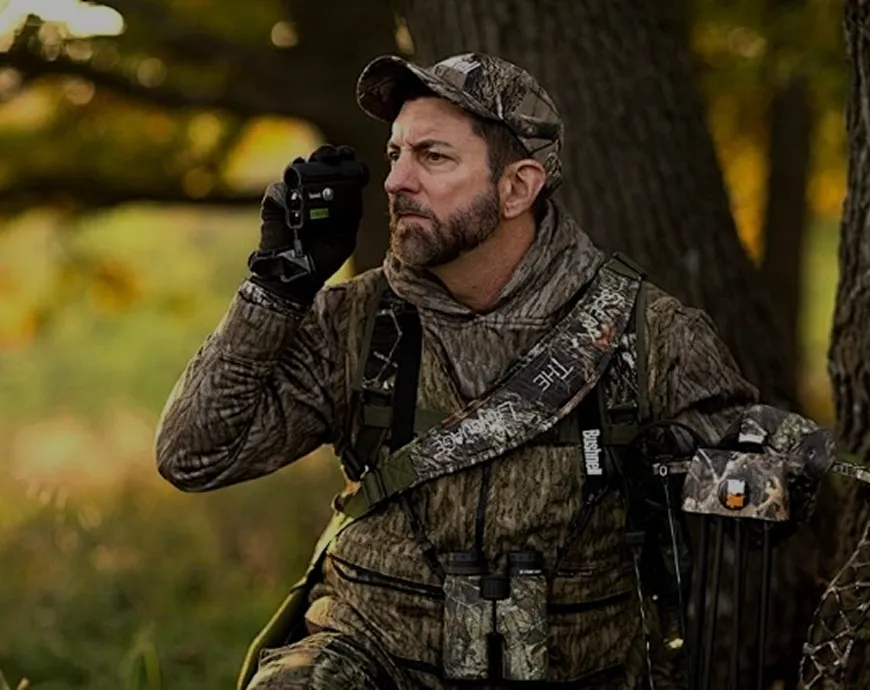
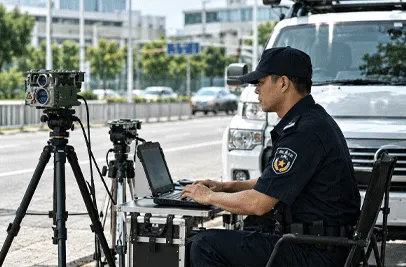
From the roadside or a high point, the crew uses thermal binoculars to search kilometers out and laser rangefinders to measure distance and calculate the target’s position. The JV-LRFM10 gives self-positioning to ≤±3 m and target positioning to ≤20 m; the JV-MFB675 series combines thermal and 2688×1520 daylight imaging with laser ranging to 6, 8 or 12 km.
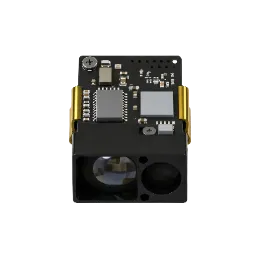
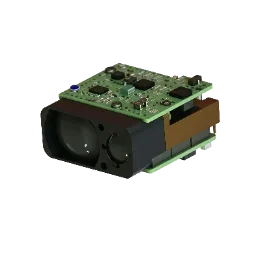
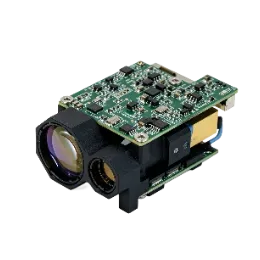
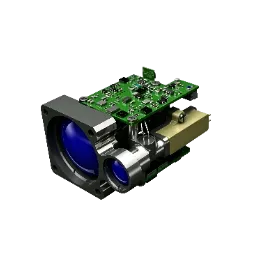
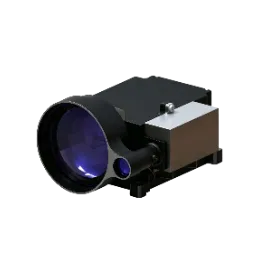
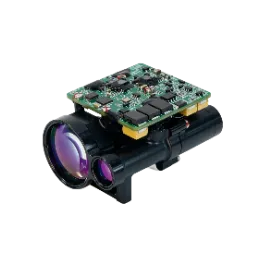
Integrators building roof-mounted or mast-mounted observation units can add JOVSTAR laser rangefinder modules alongside their thermal and visible cameras. The JV-LRF1508AD ranges a person at ≥5,500 m and a 2.3 × 4.6 m vehicle at ≥8,700 m, with RS422 or TTL output.
For driving, what matters is how far ahead the system shows a hazard and how much time that gives the driver. With the standard 9.1 mm lens, JOVSTAR vehicle systems detect a person at 859 m and a vehicle at 1,263 m, and recognize them at 214 m and 316 m. AI warnings work to about 80 m for people and 200 m for vehicles. At 100 km/h a vehicle covers 214 m in under 8 seconds.
| Camera option (JV-ADS-S5) | Field of view | Human recognition | Best for |
|---|---|---|---|
| 256×192, 1.5 mm | 120° × 86° | 35 m | Slow machines, close surroundings |
| 640×512, 4.6 mm | 95° × 76° | 108 m | Town driving, junctions, depots |
| 640×512, 9.1 mm | 48° × 39° | 214 m | Mixed roads |
| 640×512, 13 mm | 34° × 27° | 306 m | Highways and open roads |
Choose a long lens for higher speeds and a wide lens for low speeds and tight spaces; read more in how far a car thermal camera can see. For observation when stopped, plan by the recognition range of the handheld equipment, typically one-third to one-half of its detection range.
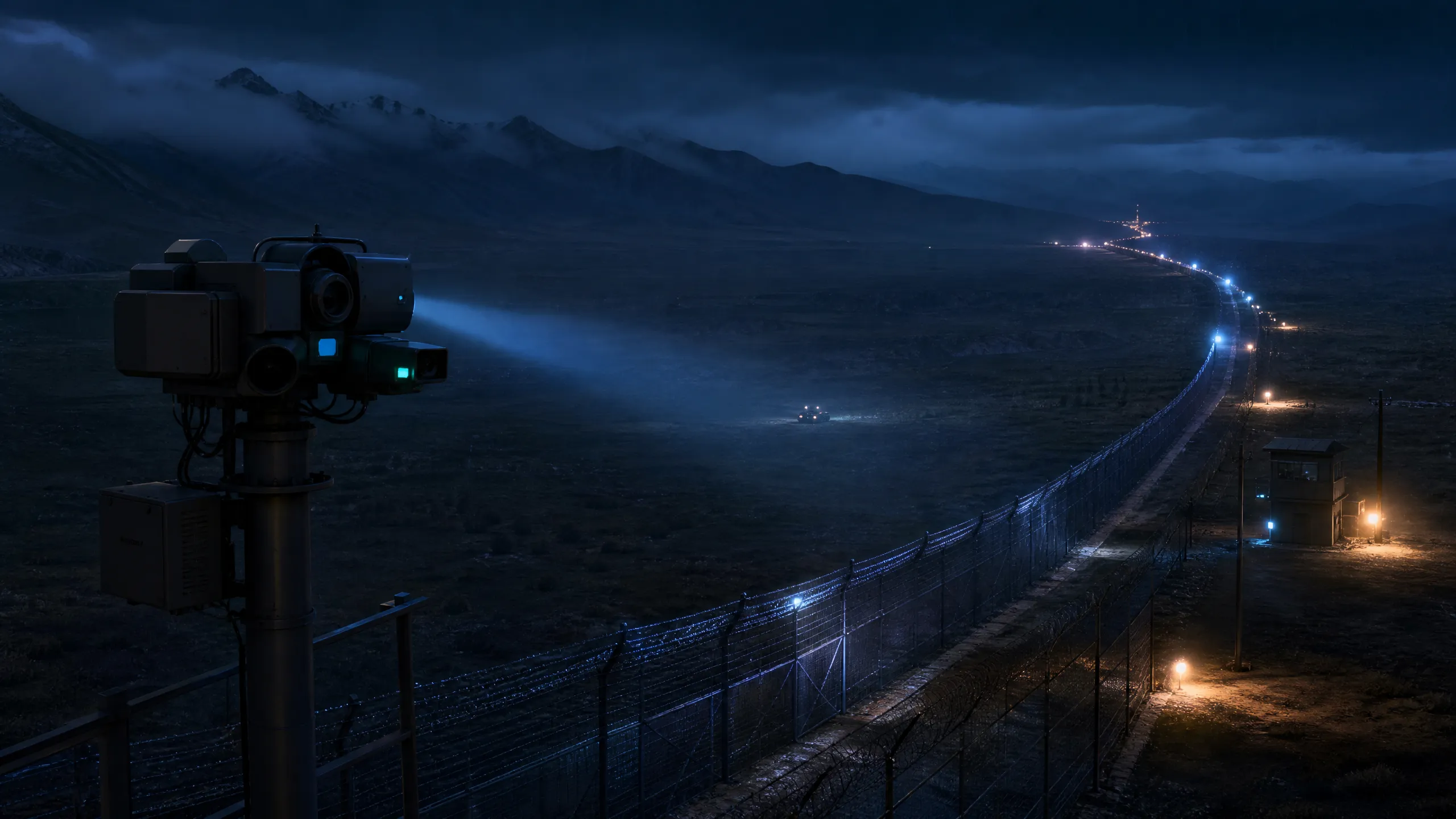
Patrol vehicles combine a forward thermal camera with AI warnings and a crew kit for stops: a JV-650M or JV-TSRII350 thermal device, a JV-LRFM10 rangefinder and fusion goggles. For fixed perimeters and observation posts, see the Border and Perimeter Security System Solution.
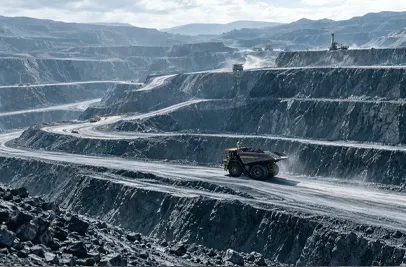
Trucks, buses, mining and construction vehicles run on DC 9–36 V units that cover 12 V and 24 V supplies. Wide-angle cameras on the JV-ADS-S5 show people near slow-moving machines, and AHD or CVBS output connects to existing monitors and fleet systems.
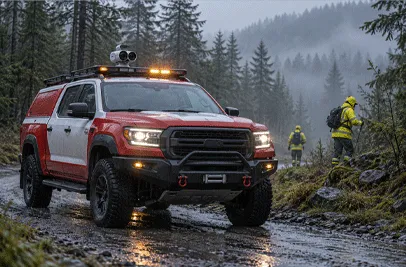
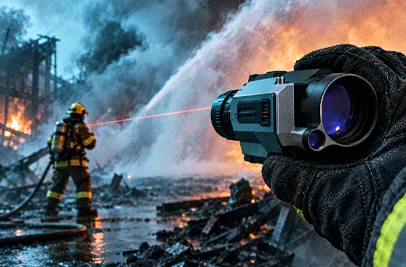
Emergency crews drive through smoke and darkness and search for people on arrival. A forward thermal camera helps on the approach; handheld thermal monoculars and fusion goggles find people by body heat; a rangefinder records their position. For night search tasks, see the Night Surveillance System Solution.
Integrators take video-output units with optional TTL serial interfaces (HDMI units) and laser rangefinder modules with RS422 output, and build them into their own displays, masts and control software.
JOVSTAR configures vehicle situational awareness equipment per project, covering thermal resolution and lens, camera mounting, display and video interfaces, warning logic, software language, laser ranging integration and handheld crew kits, from technical proposal and prototyping to batch delivery.
Learn more about OEM & ODM customization, our factory and testing capabilities and R&D laboratories. ISO, CE and FCC certifications are shown on our About page.
Built for Precision at Every Stage.
Answers to Common Vehicle Situational Awareness Questions
A vehicle situational awareness system gives the driver and crew a picture of what is around the vehicle. JOVSTAR systems combine a forward thermal camera with AI warnings for driving, thermal and night vision devices for crews, and 1535 nm laser ranging for distance and position.
With the standard 9.1 mm lens, JOVSTAR vehicle thermal systems detect a person at 859 m and recognize one at 214 m; AI warnings work to about 80 m for people and 200 m for vehicles. Longer lenses extend recognition, for example to 306 m with the 13 mm option.
Yes. JOVSTAR units connect to wired CarPlay screens, Android head units and supported factory screens, or send AHD, HDMI or CVBS video to monitors, streaming mirrors and fleet systems. Standalone 5-inch and 7-inch display systems are also available.
Most JOVSTAR vehicle thermal units accept DC 9–36 V, which covers 12 V cars and 24 V trucks and machinery. The JV-ADS-S7 can also run from the cigarette lighter socket.
Thermal imaging works in total darkness and through headlight glare and smoke; heavy fog and rain shorten range. The camera window defrosts automatically below 2℃, and most vehicle cameras work from -30℃ to +70℃ in IP67 housings.
Yes. Crews can carry handheld rangefinders such as the JV-LRFM10, which gives target positioning to within 20 m, and integrators can build laser modules such as the JV-LRF1508AD, with RS422 or TTL output, into roof or mast units.
Yes. JOVSTAR customizes thermal resolution and lens, camera mounting, display and video interfaces, warning logic, software language and laser ranging integration according to project requirements, from prototyping to batch delivery.