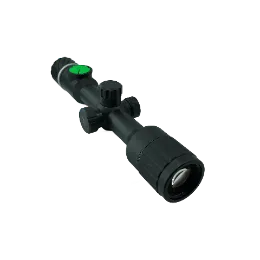
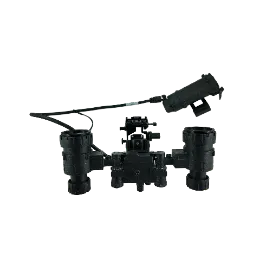
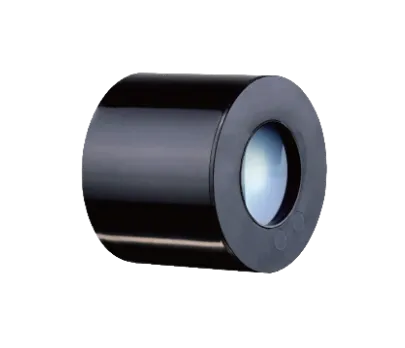
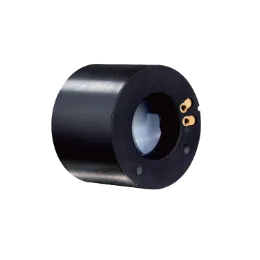


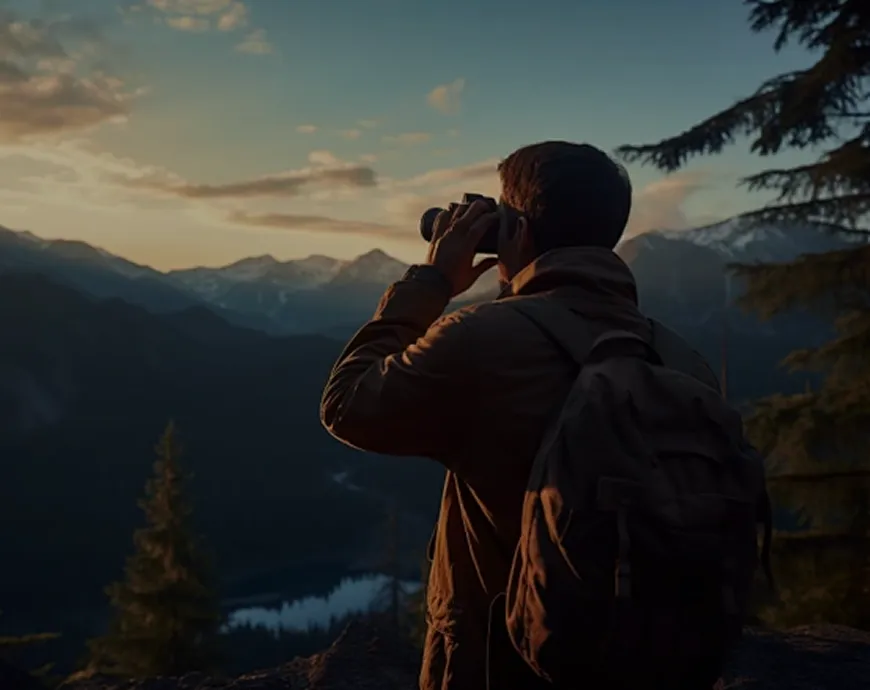




Long-Range Thermal Observation
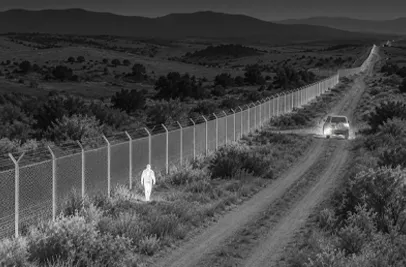
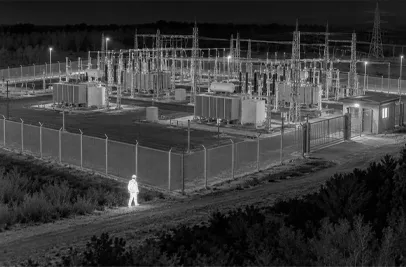
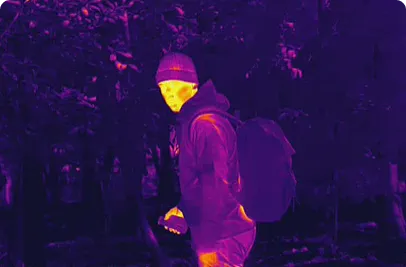
Thermal imaging supports continuous detection of heat signatures across large outdoor monitoring areas, including complete darkness.

Solutions
Thermal imaging, laser ranging and night vision configured into surveillance systems for borders, critical sites and industrial perimeters.
Detect people and vehicles kilometers away, measure their distance and position, and keep watching through darkness, haze and smoke, with thermal, low-light, visible and laser ranging sensors configured for your perimeter.
Get a System Quote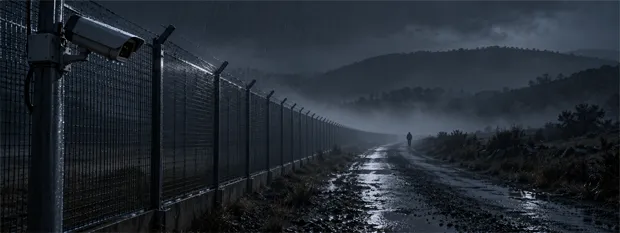
 Darkness, haze and smoke blind visible-light cameras
 Long perimeters need detection kilometers out, not meters
 An alert without distance and position leaves operators guessing
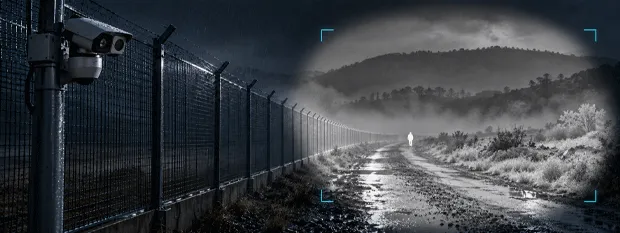
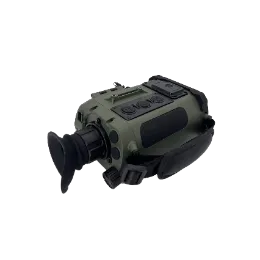
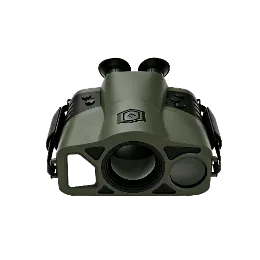
 Thermal detection of people at 3.0 km and vehicles at 6.5 km (JV-650M)
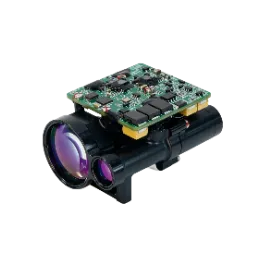
 1535 nm laser ranging to 10–25 km with GNSS target positioning
 Field equipment rated to -40℃ with IP66 / IP67 sealing

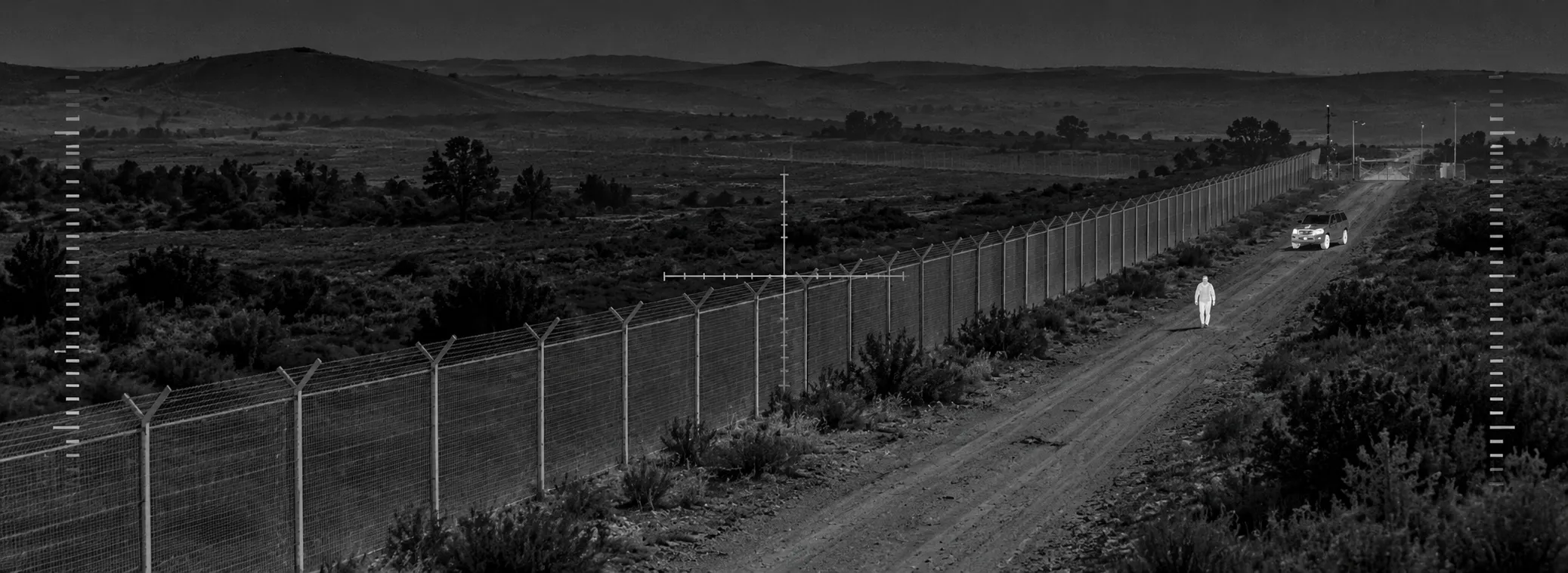
Built for Precision at Every Stage
Thermal imaging supports continuous detection of heat signatures across large outdoor monitoring areas, including complete darkness.

Thermal, low-light, visible imaging and laser ranging can be coordinated within one observation architecture according to project requirements.

Laser ranging adds measurable distance information to visual observation, supporting more informed situational assessment.

JOVSTAR's in-house testing capabilities cover high/low temperature, vibration, water and dust protection, salt spray and long-term aging evaluation.
A border or perimeter surveillance system has three jobs: detect people and vehicles early, identify what they are, and tell the operator exactly how far away and where they are. JOVSTAR builds these systems from its own thermal imaging, laser ranging and night vision equipment, from handheld patrol kits to tower-mounted long-range observation, with person detection out to several kilometers and laser ranging to 25 km.
Start from the site: the length of the perimeter, the distance at which you must detect and recognize a person or a vehicle, and whether observers are on foot, at fixed posts, in vehicles or on towers. Then choose the equipment for each layer below.
| Deployment | Typical JOVSTAR equipment | Key capability | Ranging and positioning |
|---|---|---|---|
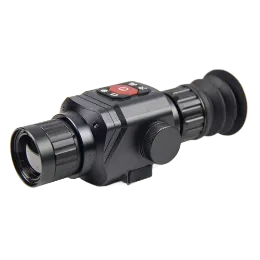
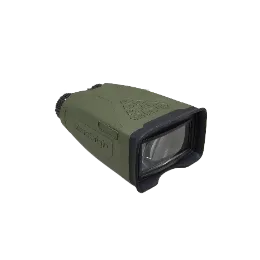
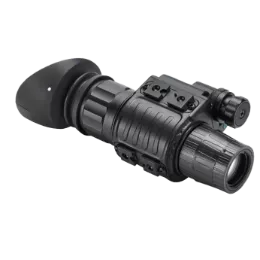
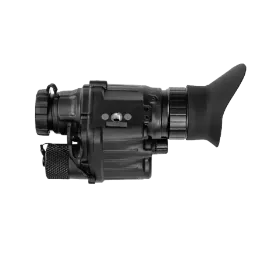
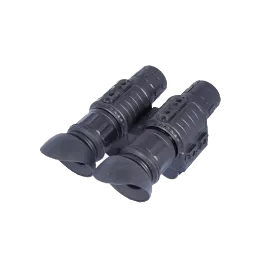
| Foot patrol | JV-TSRII350 thermal monocular, JV-FNV2105 fusion goggle | Person detection 1,800 m (JV-TSRII350); person recognition ≥200 m in fusion mode at night | Handheld JV-LRFM10: ≥7 km on vehicles, target positioning ≤20 m |
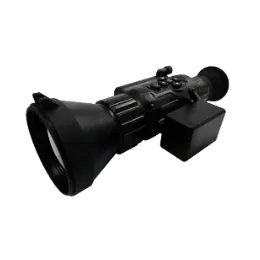
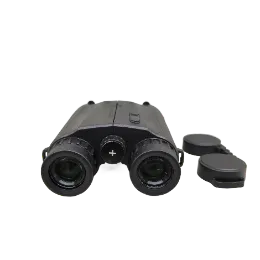
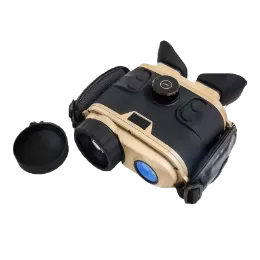
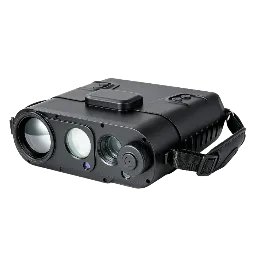
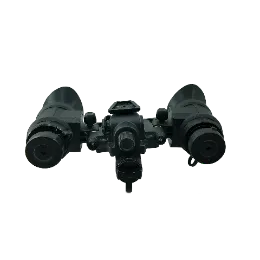
| Observation post | JV-650M thermal binocular | Person detection 3.0 km, vehicle detection 6.5 km | JV-LRFM4 / LRFM8: person ranging ≥3.2 / ≥4.5 km, BeiDou / GPS / GLONASS |
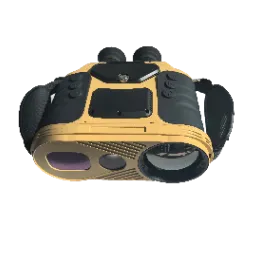
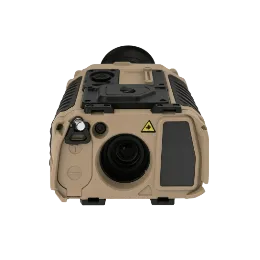
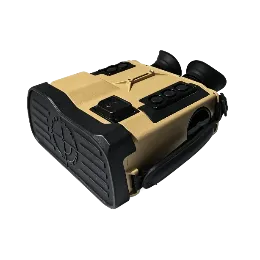
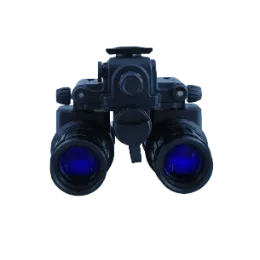
| Long-range observation | JV-MFB675 series multi-sensor binocular | 640×512 thermal with 75 mm lens, 2688×1520 daylight camera | 1.54 μm laser ranging to 6, 8 or 12 km, GPS/GNSS and digital compass |
| Strategic long range | HMF-6210C and JV-CTMFB655-13T cooled binoculars | Cooled MWIR with 40–200 mm or 15–300 mm continuous zoom | Laser ranging to 10 km and ≥13 km (buildings), 0.2° azimuth accuracy (JV-CTMFB655-13T) |
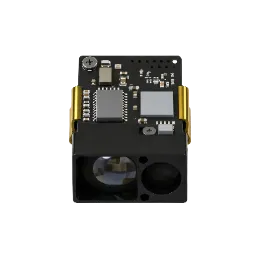
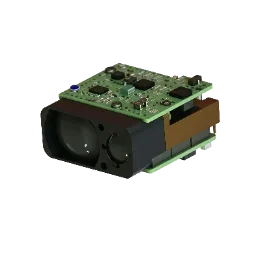
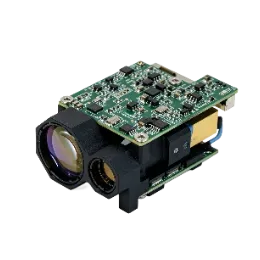
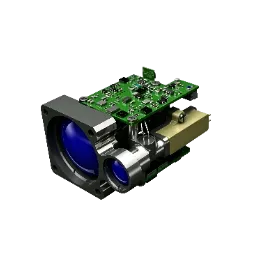
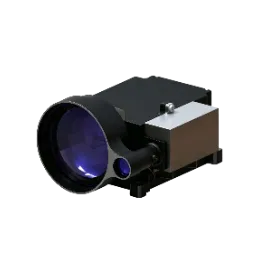
| Towers and PTZ turrets | OEM integration with JV-LRF1508AD or JV-LRF1520AD modules | Ranging alongside thermal and visible cameras in one turret | Person ranging ≥5,500 m (JV-LRF1508AD) or ≥13,000 m (JV-LRF1520AD), RS422 |
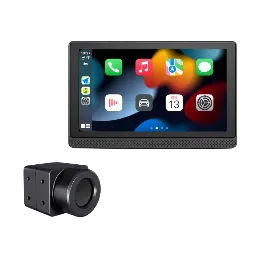
| Patrol vehicles | AHD-output vehicle thermal unit or JV-ADS-S7 | Forward thermal view with AI person and vehicle warnings | Person detection 859 m, vehicle detection 1,263 m (9.1 mm lens) |
Ranges are each product’s stated values for its own targets and conditions. See each product page for full specifications.
An effective system layers several sensors so that each covers the others’ weak points.
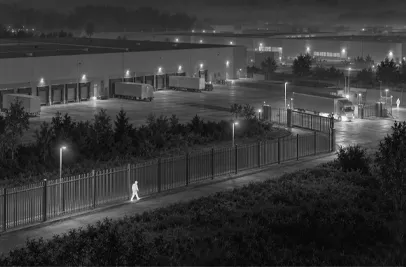
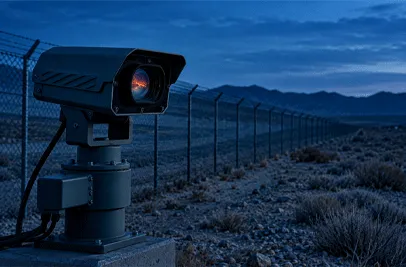
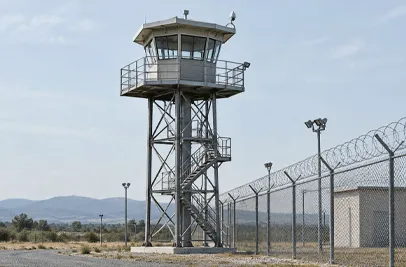
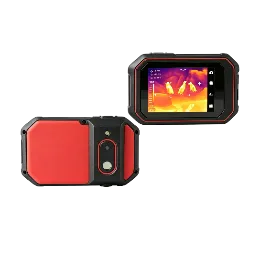
Thermal cameras see the heat of people and vehicles in total darkness, through smoke and light haze, and against vegetation, so they are the primary detection layer. Uncooled cameras such as the JV-650M detect a person at 3.0 km; cooled MWIR cameras with long zoom lenses extend detection for the widest areas. Our guide to cooled vs uncooled thermal cameras explains the trade-off.
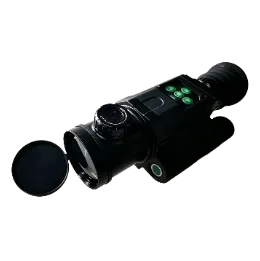
Once something is detected, operators need detail: is it a person, an animal or a vehicle, and what is it doing? Daylight and low-light cameras, and fusion of low-light with thermal imaging, add that detail. The JV-MFB675 series pairs its thermal channel with a 2688×1520 daylight camera; the 5-mode binocular combines thermal, low-light and 3264×2448 visible imaging.
A detection alone leaves the operator estimating. Eye-safe 1535 nm laser rangefinders measure the exact distance, and with a digital compass and satellite positioning the system calculates the target’s position. The JV-LRFM10 handheld gives self-positioning to ≤±3 m and target positioning to ≤20 m; the JV-CTMFB655-13T ranges ≥10 km on vehicles with ±2 m accuracy.
Many JOVSTAR devices store images and video; multi-sensor binoculars such as the 5-mode model transmit images and data over Wi-Fi, so observations can be passed to a command post.
Size the system around the distance at which you must act, not the farthest you might see. Detection tells you something is there; recognition tells you what it is, and is typically one-third to one-half of the detection range. Our guide to detection, recognition and identification ranges covers this in detail.
| Device | Person detection / recognition | Vehicle detection / recognition | Laser ranging |
|---|---|---|---|
| JV-TSRII350 | 1,800 m / 600 m | 4,500 m / 1,500 m | — |
| JV-650M | 3.0 km / 1.0 km | 6.5 km / 2.3 km | — |
| JV-LRFM4 / LRFM8 | Ranging ≥3,200 / ≥4,500 m | Ranging ≥4,800 / ≥8,000 m | 1535 nm, ±1 m |
| JV-LRF1508AD module | Ranging ≥5,500 m | Ranging ≥8,700 m (2.3 × 4.6 m) | 1535 nm, ≤±1 m |
| JV-LRF1520AD module | Ranging ≥13,000 m | Ranging ≥20,000 m (2.3 × 4.6 m) | 1535 nm, ≤±3 m |
Long, open borders need early detection and accurate distance at several kilometers. Combine an observation post with a JV-650M or JV-MFB675 binocular and a JV-LRFM4 / LRFM8 for ranging and positioning; for the longest sectors, use cooled binoculars or towers with JV-LRF1520AD ranging. See also 10 km vs 25 km laser rangefinder modules.
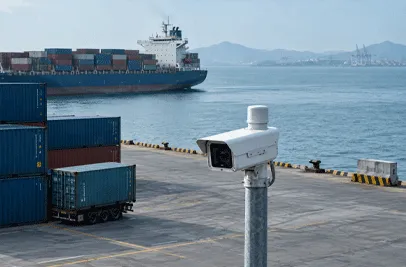
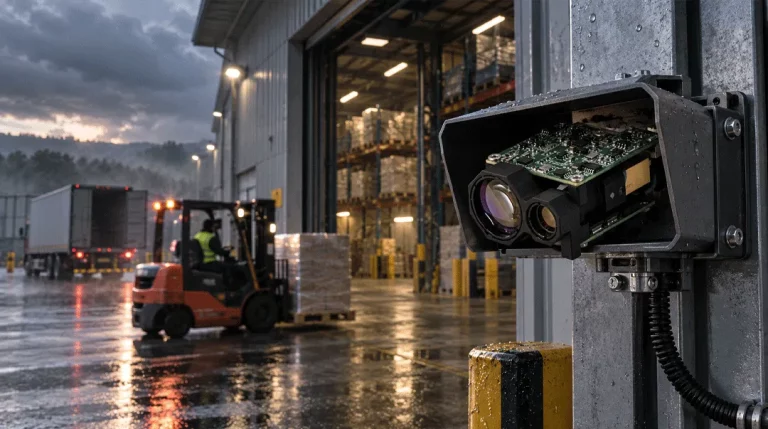
Power stations, pipelines, ports and airports have defined perimeters of a few kilometers. Fixed thermal observation with laser ranging covers approaches; patrols carry thermal monoculars and fusion goggles. The JV-LRF1505AD is used for port monitoring, and the JV-LRF1508AD lists airport ranging among its applications.
Factories, warehouses and mines need cost-effective coverage at shorter range, often around lights and buildings. Handheld thermal monoculars and digital or fusion night vision suit patrols; vehicle thermal units cover perimeter roads. For night vision options, see the night vision goggles guide.
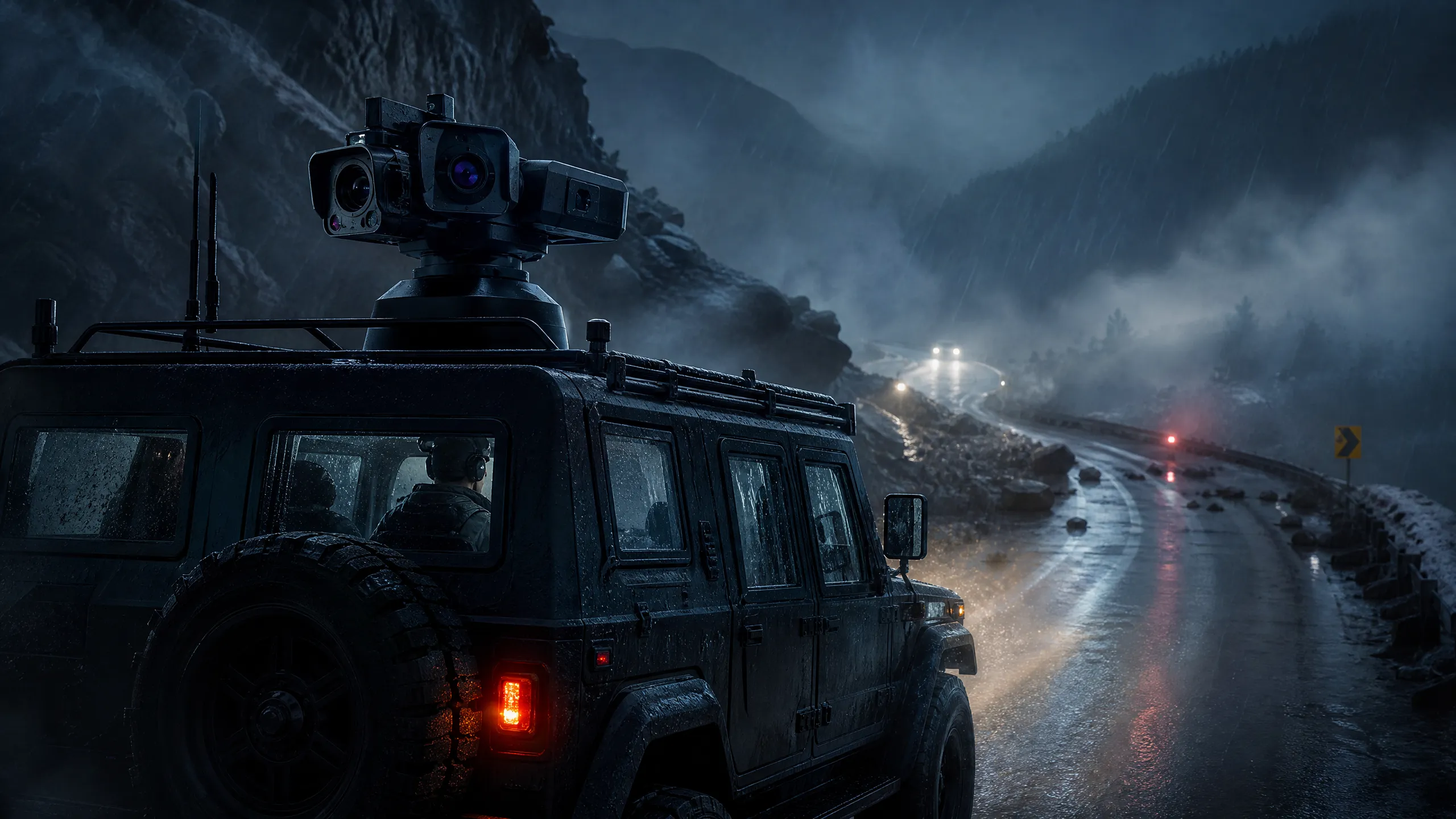
Patrol vehicles carry a forward thermal camera with AI person and vehicle warnings, plus handheld equipment for observation once stopped. See the Vehicle-Mounted All-Weather Situational Awareness Solution.
JOVSTAR supports project-level configuration of border and perimeter surveillance equipment, covering sensor selection, laser ranging integration, mounting, interfaces and system coordination, from technical proposal and prototyping to batch delivery. Equipment can be supplied as complete devices or as modules for your own turrets and systems.
Learn more about OEM & ODM customization, our factory and testing capabilities and R&D laboratories. ISO, CE and FCC certifications are shown on our About page.
Built for Precision at Every Stage.
Answers to Common Border Surveillance Questions
A border surveillance system combines sensors that detect, identify and locate people and vehicles across a border or perimeter. JOVSTAR systems layer thermal imaging for detection, visible and low-light imaging for identification, and 1535 nm laser ranging with satellite positioning for distance and location.
It depends on the equipment. The JOVSTAR JV-650M thermal binocular detects a person at 3.0 km and recognizes one at 1.0 km; cooled binoculars with long zoom lenses and tower-mounted systems extend coverage further.
Thermal imaging shows that someone is there; laser ranging measures exactly how far away they are. With a compass and satellite positioning, the system then calculates the target’s position, for example to ≤20 m with the JV-LRFM10 handheld.
Detection range is where the system shows that something is present; recognition range is where the operator can tell whether it is a person, an animal or a vehicle. Recognition is typically one-third to one-half of detection range.
Yes. JOVSTAR 1535 nm laser rangefinder modules and handheld rangefinders are specified as Class 1 (Class 1 / 1M on the JV-LRFM4 / LRFM8), so they can be used where people may be present.
Long-range JOVSTAR laser modules operate from -40℃ to +60℃, the JV-LRFM10 is rated IP67 and the JV-650M IP66. JOVSTAR tests equipment for temperature, vibration, water and dust protection and salt spray.
Yes. Laser rangefinder modules such as the JV-LRF1508AD and JV-LRF1520AD use RS422 output for integration with thermal and visible cameras, and JOVSTAR supports project-level customization of interfaces and mounting.