
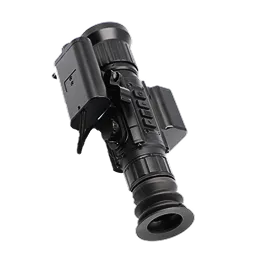
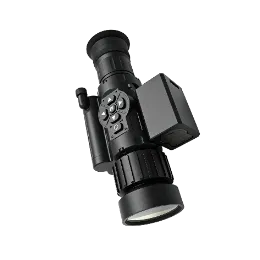
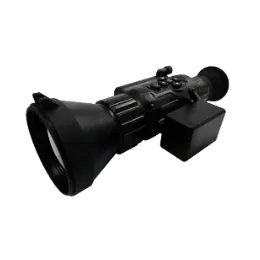


Thermal Fusion Night Vision Goggles Explained
A thermal fusion night vision goggle combines two images: a low-light image that shows terrain, paths and details, and a thermal image that makes people and animals stand out by their body heat. Fused together, the user gets both in one view, and warm targets are much harder to miss. JOVSTAR fusion goggles extend person recognition from ≥120 m in low-light mode to ≥200 m in fusion mode. For all night vision devices, see our night vision goggles selection guide.
Why Combine Night Vision and Thermal?
Each technology has a blind spot.
- Night vision (image intensifier or digital low light) shows a natural scene with good detail, so users can walk, drive and read signs. But a person standing still in shadow, or behind light foliage, can blend into the background.
- Thermal imaging shows heat, so people and animals stand out clearly in darkness, shadow and light smoke. But it shows little texture: path edges, wires and the surface underfoot are hard to read.
Fusion keeps the detail of night vision and adds the heat contrast of thermal, so users can move safely and still spot people and animals.
Two Ways to Fuse the Images
Optical fusion with an image intensifier tube
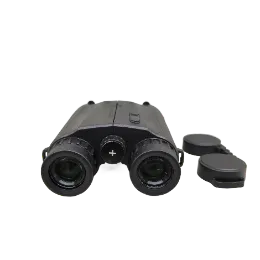
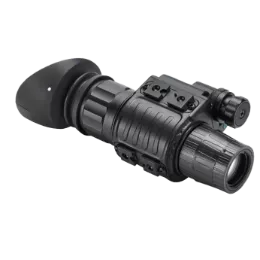
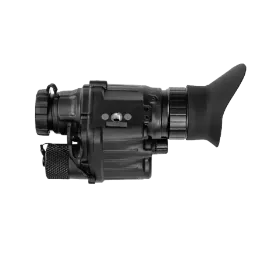
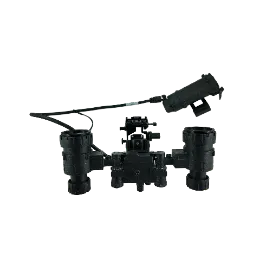
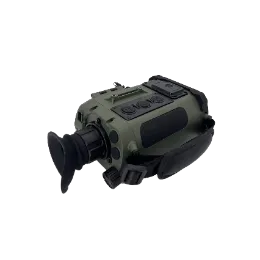
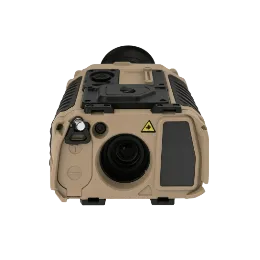
The JV-FNV2105 combines a Gen2+ image intensifier (Gen3 optional, FOM 1400–2200+) with a 640×512 thermal camera. The thermal image is overlaid optically onto the intensified view, so the user keeps the analog tube image with no latency. The low-light channel covers ≥40° and the thermal channel ≥34° × 26°.
Digital fusion
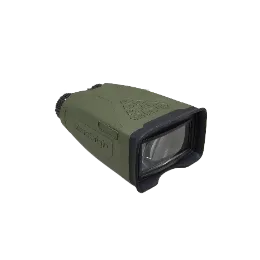
The JV-DNV2105 combines an 800×600 low-light CMOS sensor with a 640×480 thermal sensor and fuses the two images digitally for an 800×600 OLED display. Digital fusion makes it easy to switch between low-light, thermal and fused views, and keeps weight to ≤440 g.
JV-FNV2105 vs JV-DNV2105
| Parameter | JV-FNV2105 (tube + thermal) | JV-DNV2105 (digital + thermal) |
|---|---|---|
| Low-light channel | Gen2+ tube (Gen3 optional), 60 lp/mm center resolution | 800×600 CMOS |
| Thermal channel | 640×512 | 640×480 |
| Field of view | Low light ≥40°; thermal ≥34° × 26° | Low light ≥50°; thermal ≥24° × 18° |
| Person recognition (no moon) | ≥120 m low light; ≥200 m fusion | ≥120 m low light; ≥200 m thermal or fusion |
| Magnification | 1× (3×/4×/6× optional) | 1× (3×/4×/6× optional) |
| Power | 18650 battery | 18650 battery, ≥6 h |
| Weight | ≤550 g (main unit) | ≤440 g |
| Protection / temperature | IP65 (IP67 optional), -40℃ ~ +50℃ | IP65 (IP67 optional), -40℃ ~ +50℃ |
Where Fusion Goggles Help Most
- Search and rescue: finding a person by body heat in woods, fields or rubble, while still seeing the ground underfoot.
- Security patrol: spotting someone hiding in shadow along a fence line or between buildings.
- Wildlife work: seeing animals in vegetation at night without lights.
- Light smoke and dust: the thermal channel keeps warm targets visible when the low-light image degrades.
What to Consider Before Choosing Fusion
- Weight and balance. Two sensors weigh more than one: 440–550 g for the JOVSTAR fusion goggles. Use a helmet mount with a counterweight or a rear battery box for long use.
- Battery life. The thermal channel draws more power than a tube alone, so plan for spare 18650 cells.
- Tube or digital. Choose the tube version for zero latency while moving; choose digital for lower weight and easy mode switching.
- Cost. Fusion costs more than single-technology goggles. If users only need to detect people at a distance, a thermal monocular may be enough.
Which JOVSTAR Device Fits Your Project
- Fusion with a natural tube image: JV-FNV2105.
- Lighter digital fusion: JV-DNV2105.
- Night vision only, longest battery life: JV-NVM201 Gen2+ monocular. See also Gen2+ vs Gen3 vs digital night vision.
JOVSTAR can configure tube generation, thermal resolution, optics and mounts through our OEM and ODM service.
FAQ
What does a fusion night vision goggle show?
It shows a low-light image with a thermal image combined in one view, so terrain detail stays visible and warm targets such as people and animals stand out.
How far can JOVSTAR fusion goggles recognize a person?
On a moonless night, the JV-FNV2105 and JV-DNV2105 recognize a person at ≥120 m in low-light mode and ≥200 m in fusion mode.
What is the difference between optical and digital fusion?
Optical fusion overlays the thermal image onto an image intensifier tube’s view, keeping the tube image with no latency. Digital fusion combines a low-light sensor and a thermal sensor in software and shows the result on a display.
How heavy are fusion goggles?
The JOVSTAR JV-DNV2105 weighs ≤440 g and the JV-FNV2105 ≤550 g (main unit). A helmet counterweight or rear battery box helps for long use.
Need Help Choosing the Right Product?
Tell us your application, target and operating conditions. The JOVSTAR engineering team will recommend a configuration and prepare a quote.
Get a Quote