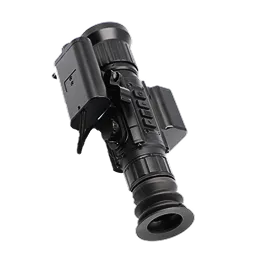
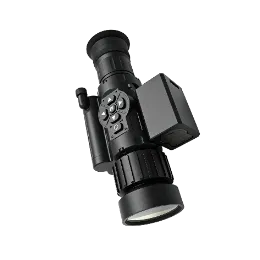
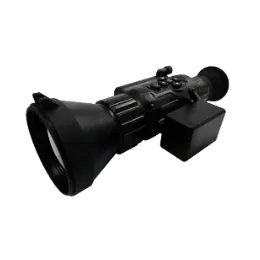
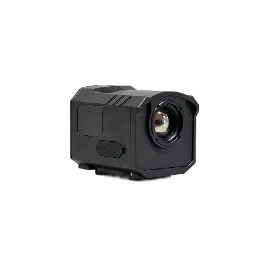
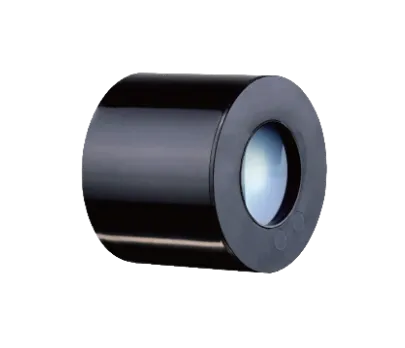
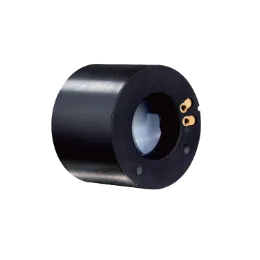
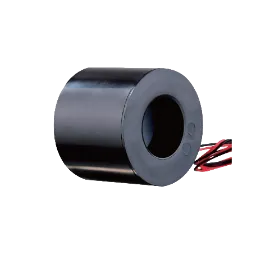
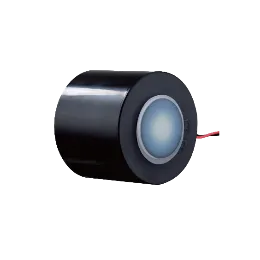


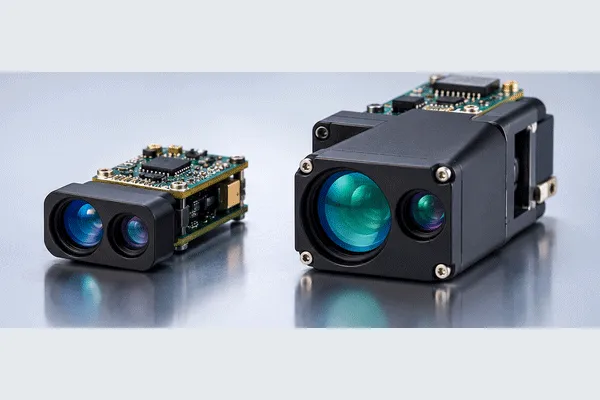
1.2 KM Laser Rangefinder Module

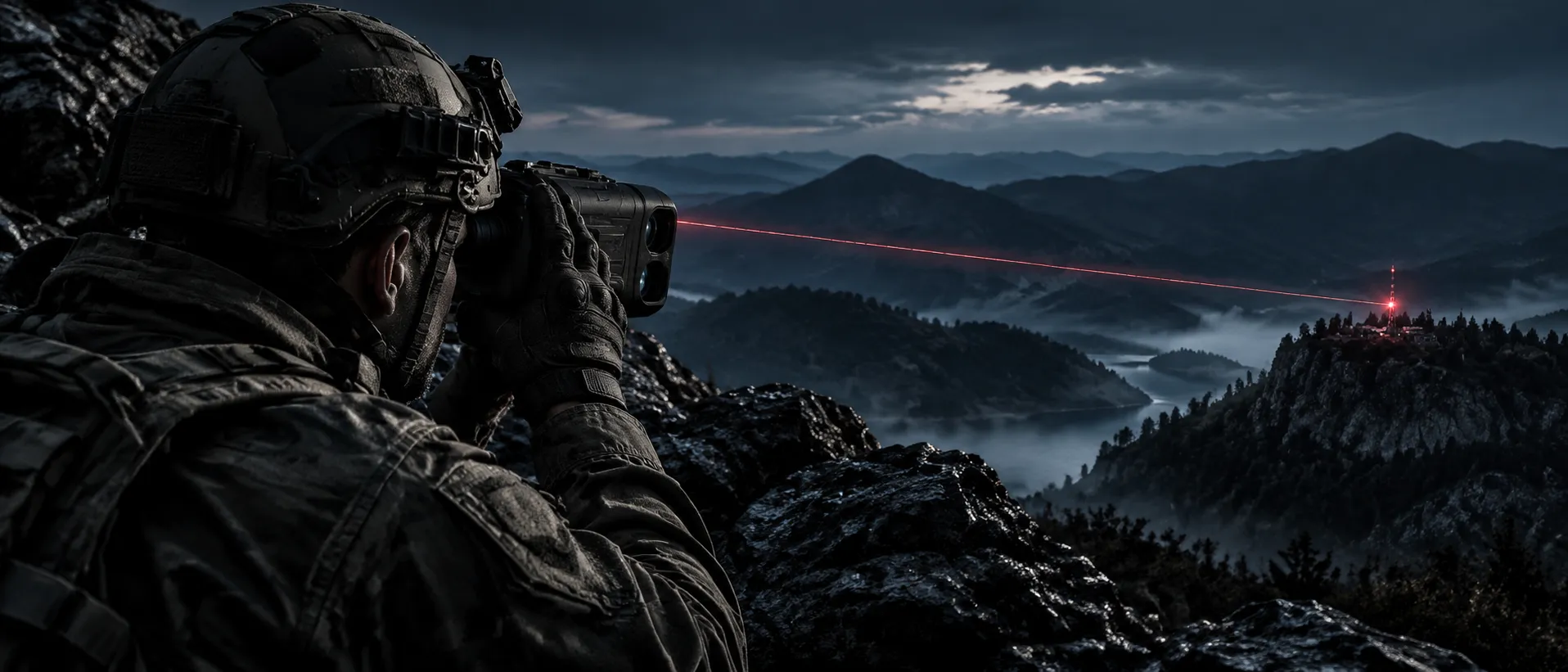
JOVSTAR designs and manufactures 905 nm, 1535 nm and 1064 nm laser rangefinder modules from 1.2 km to 25 km, plus handheld laser rangefinders up to 10 km, for OEM integration and field observation.
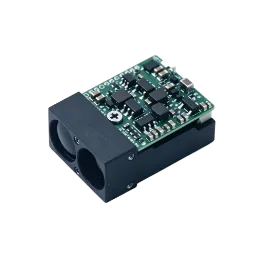
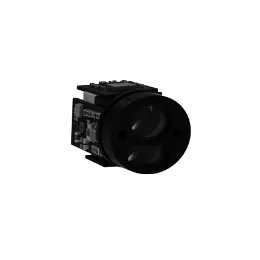
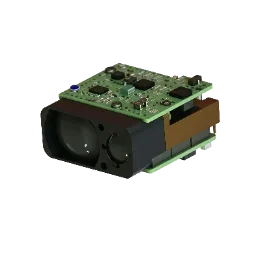
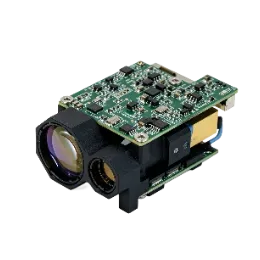
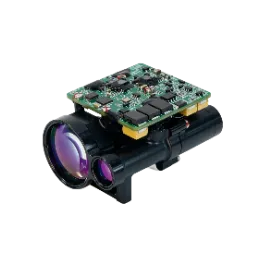
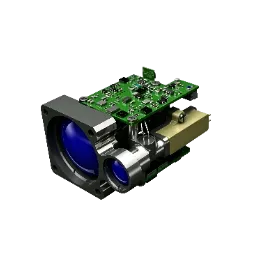
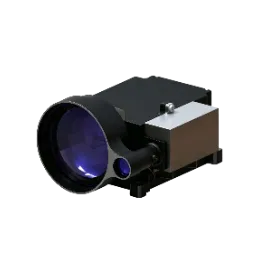
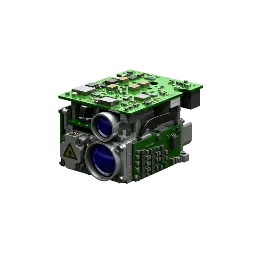
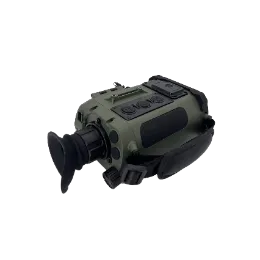
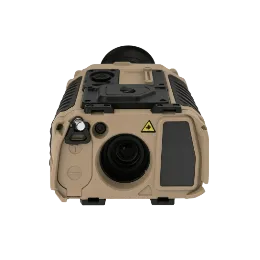
JOVSTAR laser ranging systems provide direct target-distance information for observation and situational assessment, reducing reliance on visual distance estimation.
From compact 1.2 km modules to 25 km long-range modules, configurations can be matched to observation distance, target type and system requirements.
Laser ranging information can be integrated with thermal imaging, visible-light and night vision systems to provide distance data alongside live observation imagery.
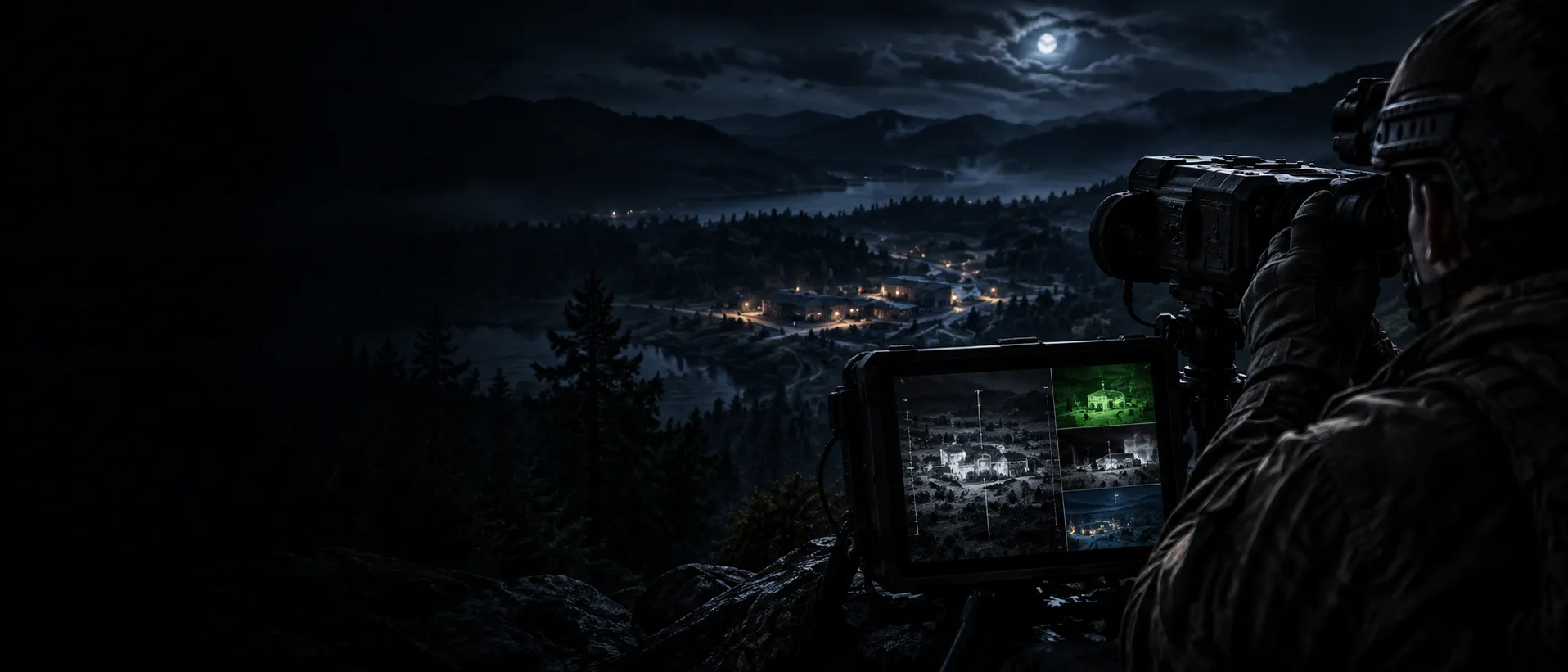
JOVSTAR supports laser ranging integration with optical platforms, communication interfaces and project-specific control systems for mobile, fixed and custom applications.
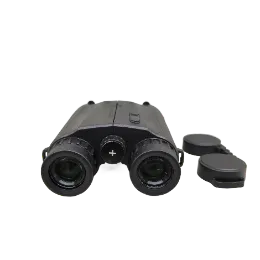
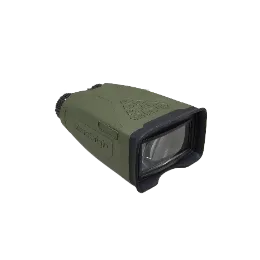
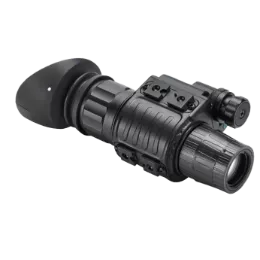
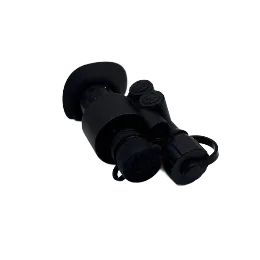
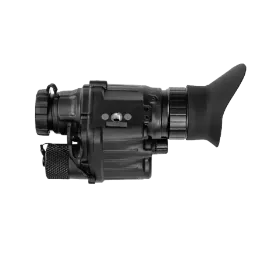
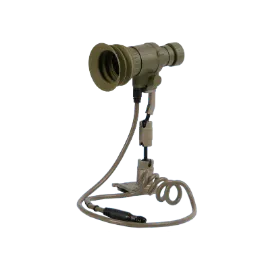
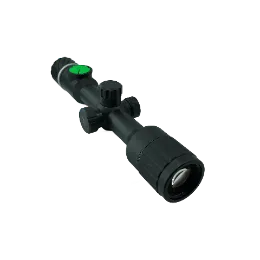
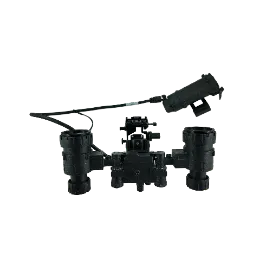
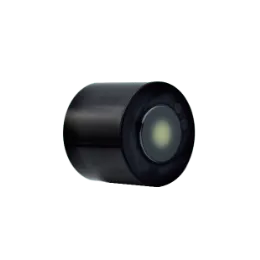
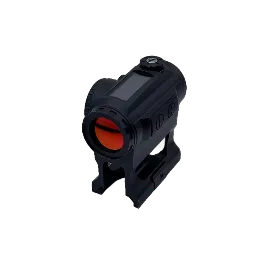
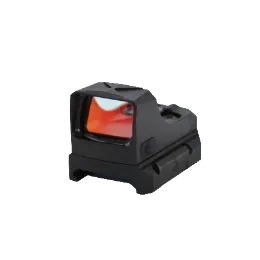
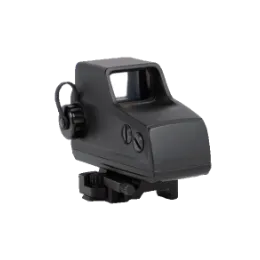
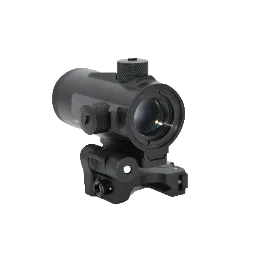
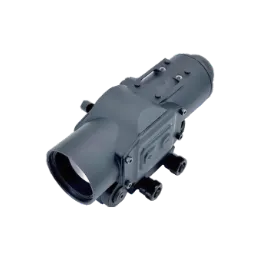
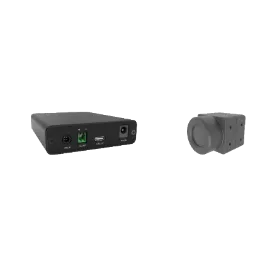
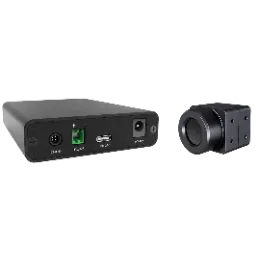
| Parameter | 905 nm Laser Rangefinder Modules | 1535 nm Laser Rangefinder Modules | 1064 nm Laser Ranging & Illumination Module | Handheld Laser Rangefinders |
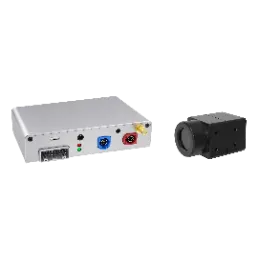
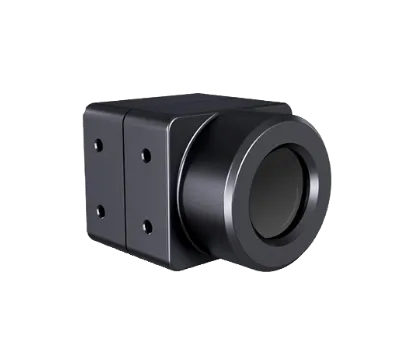
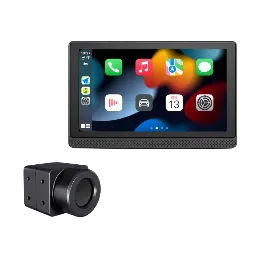
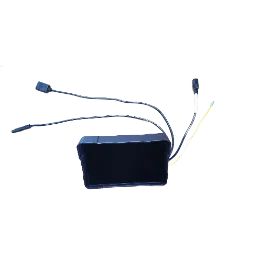
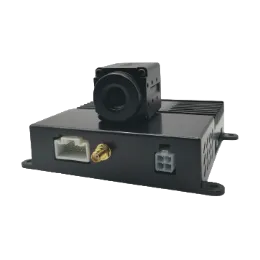
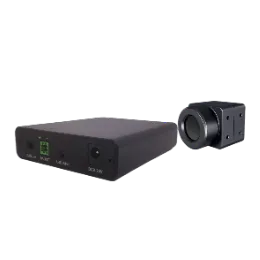
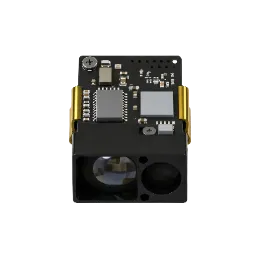
| Product Image | |
|
|
|
| Models | JV-LRF901FD, JV-LRF902BD, JV-LRF902CD | JV-LRF1503DD, JV-LRF1503AD, JV-LRF1505AD, JV-LRF1508AD, JV-LRF1520AD | JV-LRF1005AD | JV-LRFM4 / LRFM8, JV-LRFM10 |
| Product Type | Compact Laser Rangefinder Module | Long-Range Laser Rangefinder Module | Laser Ranging and Illumination Module | Handheld Laser Rangefinder |
| Typical Applications | Handheld devices, small UAVs, short-range industrial measurement | Long-range observation, UAV mapping, maritime and airborne systems | Ranging plus illumination in electro-optical systems | Field observation, surveying and target positioning |
| Laser Wavelength | 905 nm ± 5 nm | 1535 nm ± 5 nm (JV-LRF1505AD ± 10 nm) | 1064 nm ± 3 nm | 1535 nm |
| Eye Safety Class | Class 1 | Class 1 | — | Class 1 (JV-LRFM4 / LRFM8: Class 1 / 1M) |
| Maximum Range (Large Target) | 1.2–2 km | 4–25 km | 5 km | 5.6–10 km |
| Minimum Range | 0.1–3 m | 10–100 m | 200 m | 50 m |
| Ranging Accuracy | ±0.3 m to ±1 m | ±1 m to ±3 m | ≤±5 m | ±1 m |
| Measurement Frequency | Single shot, 1–10 Hz | Single shot, 1–10 Hz (1–5 Hz on JV-LRF1505AD / 1520AD) | Single shot, 1 Hz, 5 Hz | 1–10 Hz |
| Multi-Target Detection | — | Up to 3 targets (dual on JV-LRF1508AD / 1520AD) | — | — |
| Communication Interface | UART (TTL 3.3 V) | UART (TTL 3.3 V) or RS422 | RS422 (TTL customizable) | — |
| Supply Voltage | DC 3.3–5 V | DC 3–34 V | DC 12–36 V | — |
| Weight | 5–6 g | 14–790 g | ≤350 g | — |
| Positioning | — | — | — | BeiDou / GPS / GLONASS (JV-LRFM4 / LRFM8); self and target positioning (JV-LRFM10) |
| Operating Temperature | -20℃ ~ +60℃ | -40℃ ~ +60℃ (JV-LRF1505AD to +70℃) | -40℃ ~ +60℃ | -40℃ ~ +60℃ (JV-LRFM10) |
A laser rangefinder module measures the distance to a target by firing a short laser pulse and timing how long its reflection takes to return. JOVSTAR builds eye-safe 905 nm and 1535 nm laser rangefinder modules from 1.2 km to 25 km, a 1064 nm laser ranging and illumination module, and handheld laser rangefinders up to 10 km. The modules are designed for integration into UAV payloads, handheld observation devices, and vehicle-mounted or fixed-site surveillance systems.
Choose a 905 nm module for lightweight, short-range integration up to about 2 km. Choose a 1535 nm module when you need 4 km or more, longer range on small targets, or multi-target detection. Choose the 1064 nm JV-LRF1005AD when ranging and laser illumination are needed in one unit, and a handheld rangefinder when you need a complete field instrument rather than a module.
| Model | Type | Wavelength | Max range (large target) | Human target (0.5 × 1.7 m) | Accuracy |
|---|---|---|---|---|---|
| JV-LRF901FD | Module | 905 nm | 1,200 m | — | ≤±0.5 m (<80 m), ≤±1 m |
| JV-LRF902BD | Module | 905 nm | ≥2,000 m (night) / ≥1,200 m (day) | ≥800 m | ≤±0.3–1 m |
| JV-LRF902CD | Module | 905 nm | ≥2,000 m (night) / ≥1,200 m (day) | ≥800 m | ≤±0.3–1 m |
| JV-LRF1503DD | Module, 3 targets | 1535 nm | 4,000 m | 1,500 m | ≤±1 m |
| JV-LRF1503AD | Module, 3 targets | 1535 nm | ≥5,000 m | ≥2,000 m | ≤±1 m |
| JV-LRF1505AD | Module, 3 targets | 1535 nm | ≥5,000 m (natural terrain) | — | ±2 m (RMS) |
| JV-LRF1508AD | Module, dual target | 1535 nm | ≥10,000 m | ≥5,500 m | ≤±1 m |
| JV-LRF1520AD | Module, dual target | 1535 nm | ≥25,000 m | ≥13,000 m | ≤±3 m |
| JV-LRF1005AD | Ranging + illumination | 1064 nm | 5,000 m | — | ≤±5 m |
| JV-LRFM4 / LRFM8 | Handheld, 3.3–80× zoom camera | 1535 nm | ≥5,600 m / ≥10,000 m | ≥3,200 m / ≥4,500 m | ±1 m |
| JV-LRFM10 | Handheld, 8× optics | 1535 nm | ≥10,000 m | — | ±1 m |
Ranges are measured under each model’s stated visibility and target reflectivity, which differ between models. See each product page for the full test conditions.
A laser rangefinder module works on time of flight: it sends a laser pulse, detects the echo and converts the round-trip time into distance.
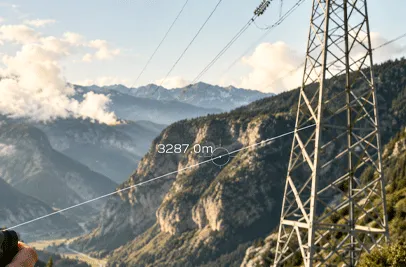
Light travels about 300 metres per microsecond, so the echo from a target 1.5 km away returns in about 10 microseconds. The module’s timing circuit measures that interval and reports the distance over its serial interface, up to 10 times per second on most JOVSTAR models. Ranging accuracy depends on how precisely the echo is timed: across JOVSTAR modules it runs from ±0.3 m at short distances on the 905 nm JV-LRF902 series to ±3 m at 25 km on the JV-LRF1520AD.
A narrow beam keeps more laser energy on a small, distant target, and a larger receiving aperture collects more of the weak echo. This is why the long-range 1535 nm modules use beam divergence of 0.45–0.8 mrad, with 15–16 mm receiving apertures on the 4–5 km models, while the compact 905 nm modules use a 3.5–6 mrad beam (with a 7 mm aperture on the JV-LRF902 series) and weigh 6 g or less.
When the beam partly hits foliage, rain, a fence or the edge of a building before the real target, several echoes return. A multi-target module reports more than one distance so the host system can choose the right one. JV-LRF1503DD, JV-LRF1503AD and JV-LRF1505AD report up to three targets; JV-LRF1508AD and JV-LRF1520AD report two.
Wavelength sets the balance between range, eye safety, size and power. 905 nm suits compact, low-power devices; 1535 nm suits long range and small targets; 1064 nm is used where ranging and laser illumination are combined.
For a side-by-side summary of the four product classes, see Core Specifications above.
Maximum range depends on the target as much as on the rangefinder: target size, reflectivity and atmospheric visibility all change how much laser energy comes back.
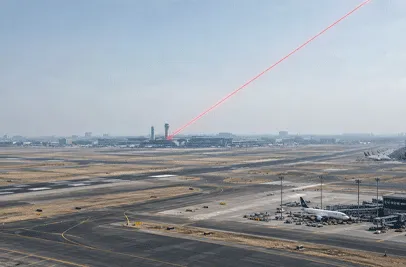
That is why every JOVSTAR range figure names its target. The JV-LRF1503AD, for example, ranges ≥5,000 m on a building with 60% reflectivity, ≥3,200 m on a 2.3 × 2.3 m target and ≥2,000 m on a 0.5 × 1.7 m human-sized target with 30% reflectivity, all at visibility of 10 km or more. The JV-LRF1508AD reaches ≥10,000 m on a building at 20 km visibility, ≥5,500 m on a human-sized target and ≥3,000 m on a 0.1 × 0.2 m target.
To size a rangefinder, use the row in the range table that matches your real target, then leave margin for haze and low-reflectivity surfaces. Check the minimum range too: it runs from 0.1 m on the JV-LRF902BD to 100 m on the JV-LRF1520AD and 200 m on the JV-LRF1005AD, so a long-range module may not suit close targets.
UART-TTL suits short, board-level connections inside compact devices; RS422 suits longer cable runs and electrically noisy platforms such as vehicles and vessels.


| Model | Interface | Supply voltage | Peak power | Dimensions | Weight |
|---|---|---|---|---|---|
| JV-LRF901FD | UART (TTL 3.3 V) | DC 3.3–5 V | ≤1 W | ≤25 × 20 × 10.5 mm | ≤6 g |
| JV-LRF902BD | UART (TTL 3.3 V) | DC 3.3–5 V | ≤1.35 W | ≤22.5 × 15.5 × 9.5 mm | ≤5 g |
| JV-LRF902CD | UART (TTL 3.3 V) | DC 3.3–5 V | ≤1.35 W | — | — |
| JV-LRF1503DD | UART (TTL 3.3 V) | DC 3–16 V | ≤3 W | ≤27.7 × 24.6 × 15.4 mm | 14 g |
| JV-LRF1503AD | UART (TTL 3.3 V) | DC 5–16 V | ≤3 W | ≤48 × 30.5 × 21 mm | ≤34 g |
| JV-LRF1505AD | RS422 | DC 10–14 V | ≤5 W | 62 × 43.5 × 34 mm | ≤80 g |
| JV-LRF1508AD | RS422 / TTL | DC 4.5–14 V | ≤5 W | ≤61 × 32 × 48 mm | ≤60 g |
| JV-LRF1520AD | RS422 | DC 22–34 V | ≤53 W | ≤134 × 99 × 77 mm | ≤790 g |
| JV-LRF1005AD | RS422 (TTL customizable) | DC 12–36 V | ≤100 W | ≤77 × 57 × 49 mm | ≤350 g |
Plan the power budget around peak power, not the average: the 905 nm modules average ≤0.6 W, but every module draws more while firing. Most 1535 nm modules operate from -40℃ to +60℃ (JV-LRF1505AD to +70℃), and the 905 nm modules from -20℃ to +60℃. For OEM projects, interfaces, mounting and ranging settings can be configured to the host system.
JOVSTAR laser rangefinders are built into four main kinds of systems.
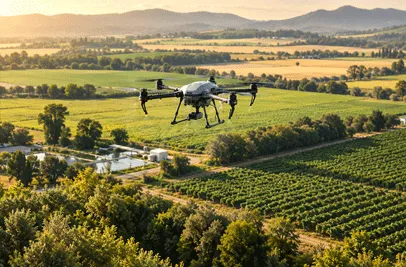

Weight and power drive the choice. The JV-LRF902BD (≤5 g) and JV-LRF901FD (≤6 g) suit small drones; the JV-LRF1503AD is used for aerial mapping and drone inspection, and the JV-LRF1505AD for UAV-based ranging with RS422 output.
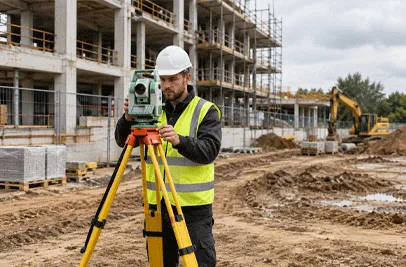
The JV-LRF901FD serves golf, power-line and outdoor target ranging, and the JV-LRF902BD engineering survey and measurement. The JV-LRF1503DD is used in handheld observation devices that need 4 km range and multi-target detection.
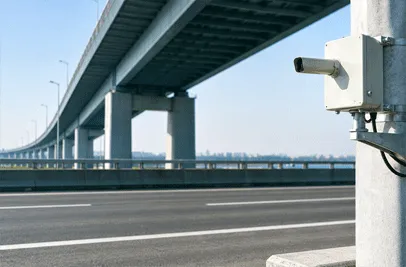
The JV-LRF1503DD supports vehicle-mounted and fixed-site observation; the JV-LRF902CD is used for border surveillance, forest fire monitoring and wildlife monitoring; the JV-LRF1505AD for port monitoring. See the Border and Perimeter Security System Solution and the Vehicle-Mounted All-Weather Situational Awareness Solution.
The JV-LRF1508AD (≥10 km) is used in maritime, airport and mining ranging; the JV-LRF1520AD (≥25 km) in airborne, shipborne and firefighting systems.
For field teams that need a complete instrument rather than a module, JOVSTAR offers two handheld 1535 nm laser rangefinders.
JOVSTAR supports project-level customization of laser ranging modules, covering ranging requirements, optical integration, interfaces, mounting and system coordination, from product configuration and prototyping to batch delivery. Laser ranging can also be combined with JOVSTAR thermal imaging, night vision and other electro-optical platforms.
Learn more about OEM & ODM customization, our factory and testing capabilities and R&D laboratories. ISO, CE and FCC certifications are shown on our About page.
Compare 905 nm and 1535 nm laser rangefinder modules on range, eye safety, size, power and cost, with measured JOVSTAR figures and model picks.
Why a laser rangefinder can range a building at 5 km but a person at 2 km: how target size, reflectivity, visibility and beam divergence set the range.
How to integrate a laser rangefinder module into a drone payload or gimbal: range, weight and power, UART or RS422, boresight alignment and testing.
Compare 10 km and 25 km class laser rangefinder modules for maritime, border, airport and airborne systems: range by target, power, interface and size.
Answers to Common Laser Rangefinder Questions
A laser rangefinder module is a compact unit that measures the distance to a target by firing a laser pulse and timing its reflection. It outputs the distance over a serial interface, so it can be built into handheld devices, UAV payloads and surveillance systems. JOVSTAR modules cover 1.2 km to 25 km.
905 nm modules are smaller and use less power; JOVSTAR’s weigh 5–6 g and range up to 2 km. 1535 nm modules stay eye-safe at higher pulse energy, so they reach 4–25 km and range small targets much further, at the cost of more size and power.
It depends on the target, its reflectivity and the visibility. A JOVSTAR JV-LRF1503AD, for example, ranges ≥5,000 m on a building but ≥2,000 m on a human-sized target. Across the JOVSTAR range, maximum distances run from 1.2 km to 25 km.
Yes. All 905 nm and 1535 nm JOVSTAR modules are Class 1, and the handheld rangefinders are Class 1 (Class 1 / 1M on the JV-LRFM4 / LRFM8). The 1064 nm JV-LRF1005AD ranging and illumination module is intended for professional electro-optical systems with laser safety controls in place.
The JV-LRF901FD, JV-LRF902BD / CD, JV-LRF1503DD and JV-LRF1503AD use UART (TTL 3.3 V). The JV-LRF1505AD, JV-LRF1520AD and JV-LRF1005AD use RS422, and the JV-LRF1508AD supports both RS422 and TTL. Ranging data can be passed to external terminals or system platforms.
Yes. The JV-LRF902BD weighs ≤5 g and the JV-LRF901FD ≤6 g for small drones; the JV-LRF1503AD and JV-LRF1505AD are used for aerial mapping, drone inspection and UAV-based ranging.
Yes. JOVSTAR supports system-level integration of laser ranging with thermal imaging, night vision and other electro-optical platforms.
Yes. JOVSTAR supports project-level customization covering ranging requirements, optical integration, interfaces, mounting and system coordination.