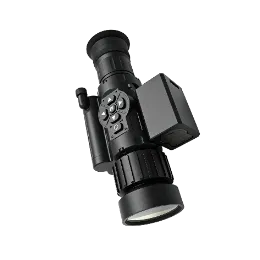
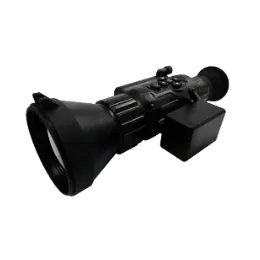
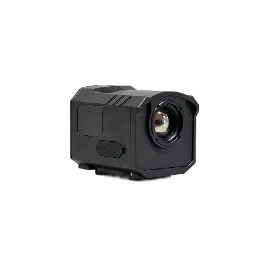
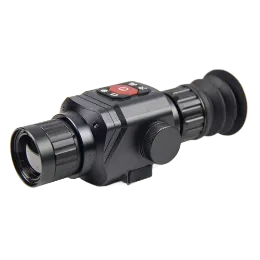
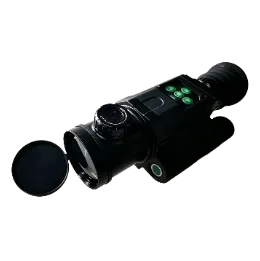
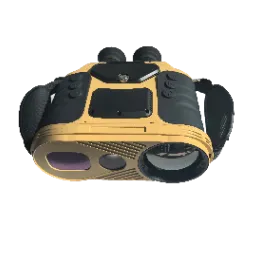
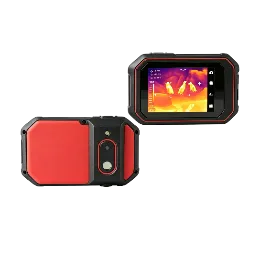
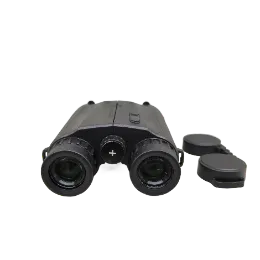
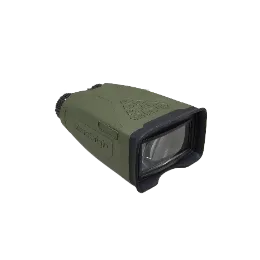
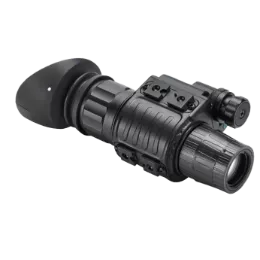
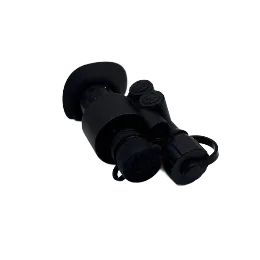
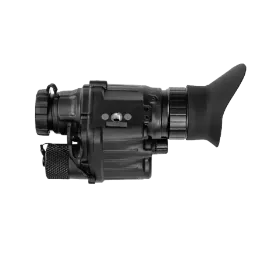
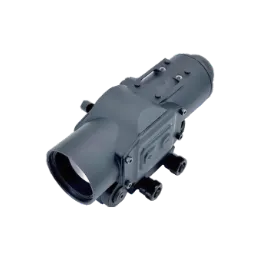
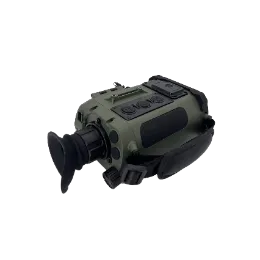
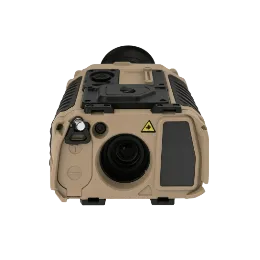
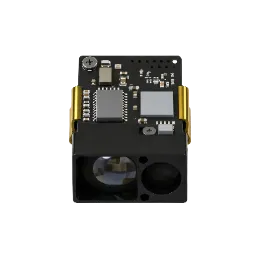


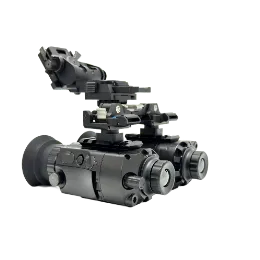
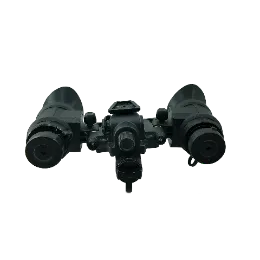
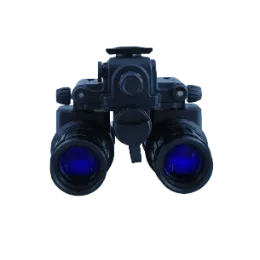
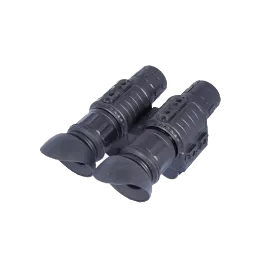
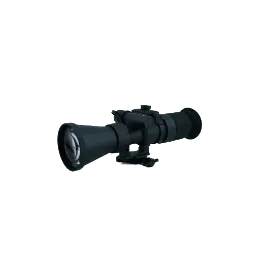
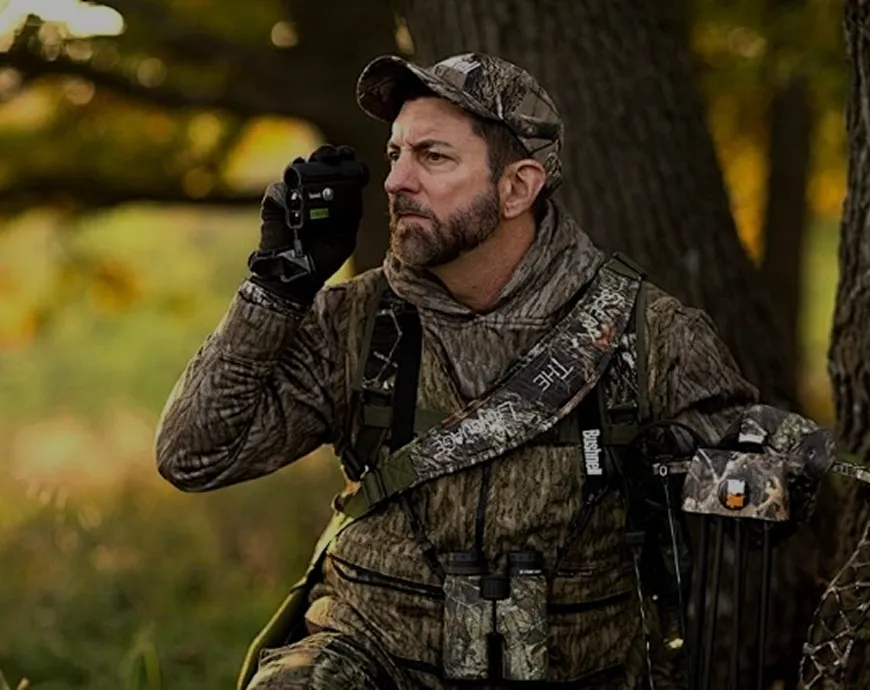


Three Night Technologies In-House
Thermal imaging, image-intensifier and digital low-light devices, so each site gets the right sensor instead of one product for every task.

Solutions
Thermal imaging, night vision and laser ranging configured into surveillance systems that work in total darkness.
See people and vehicles in total darkness, smoke and light haze, recognize what they are and measure how far away they are, with thermal, image-intensifier, digital low-light and laser ranging equipment chosen for your site.
Get a System Quote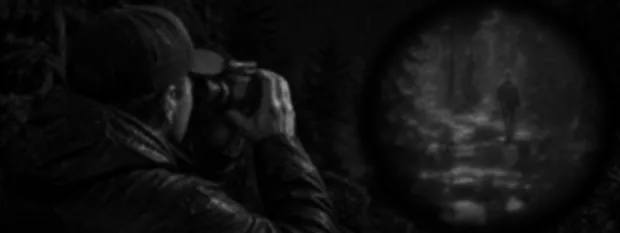
 Visible-light cameras see little or nothing after dark
 Each night technology alone has blind spots: light, detail or heat
 Operators see a target but not its distance or position
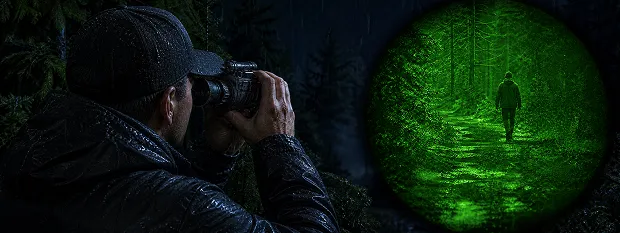
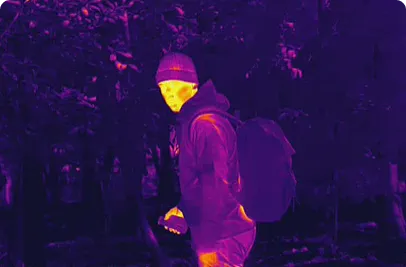
 Thermal detection of people at 1,800 m to 3.0 km with no light at all
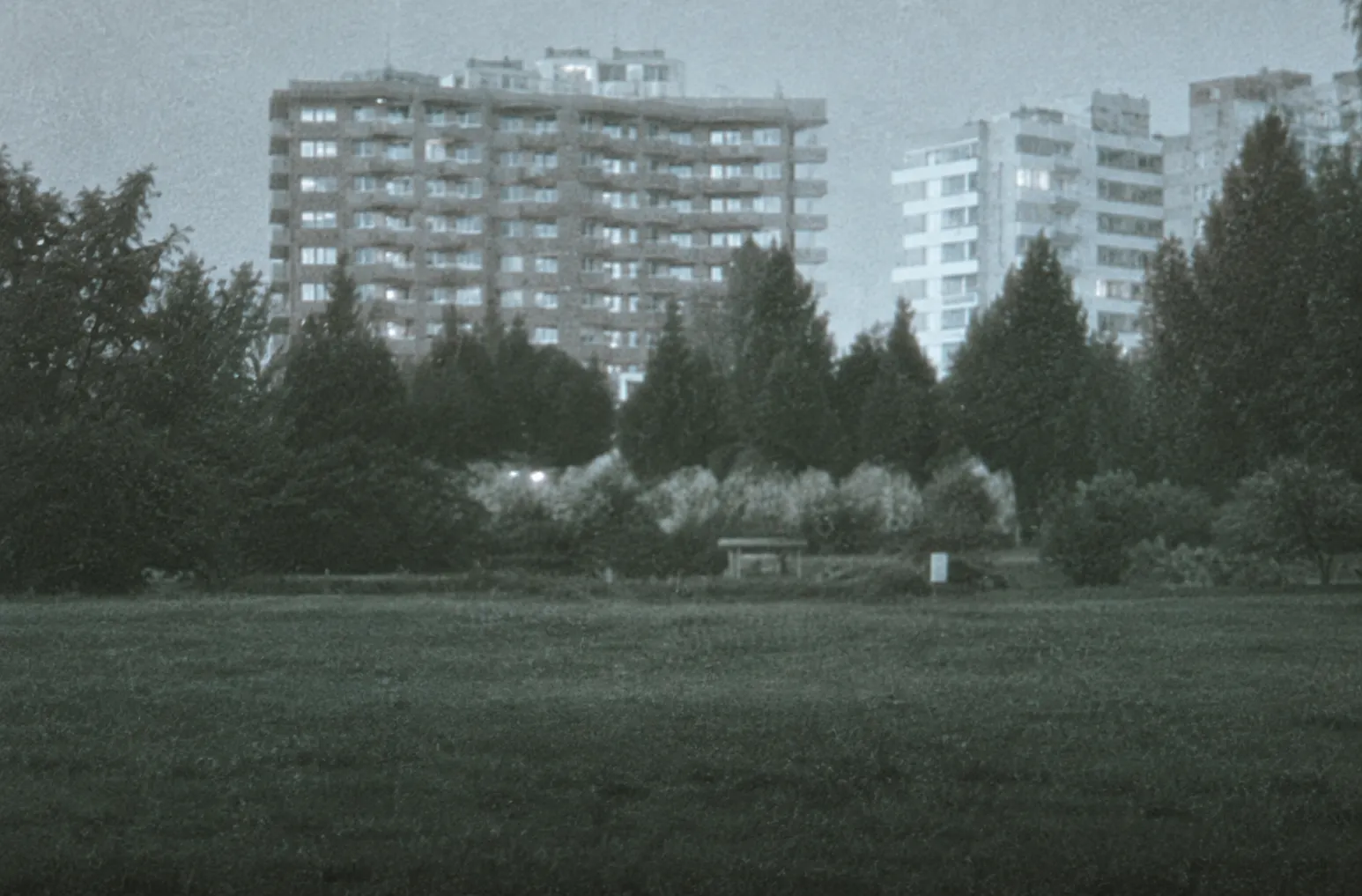
 Image-intensifier, digital and fusion night vision for detail on the move
 1535 nm laser ranging with satellite target positioning
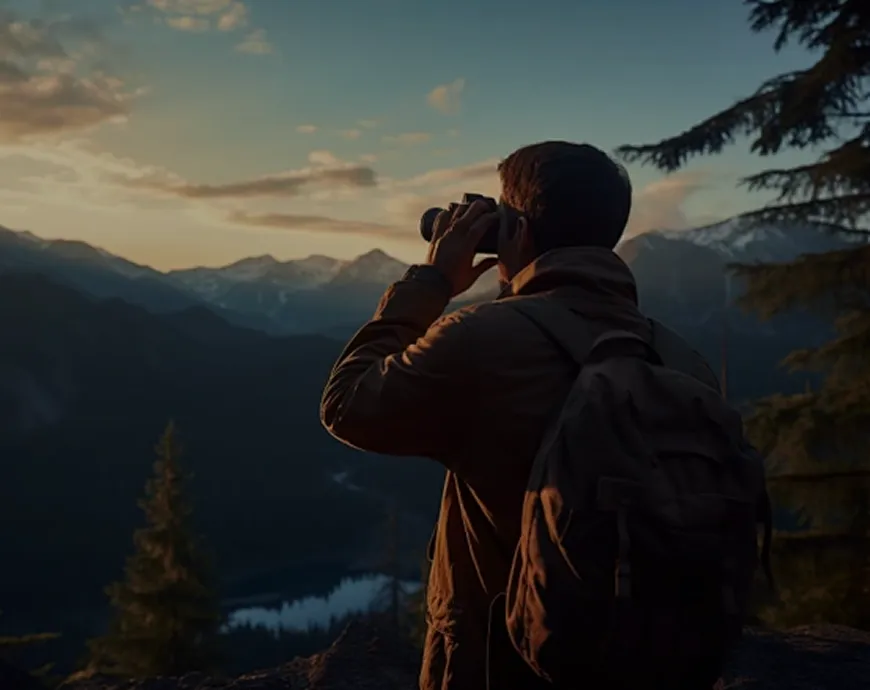
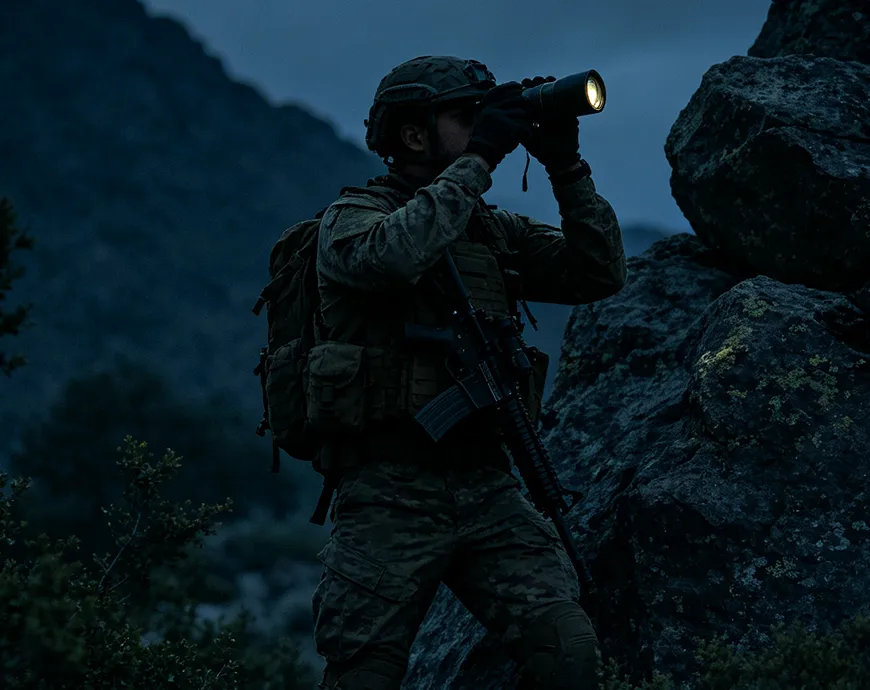

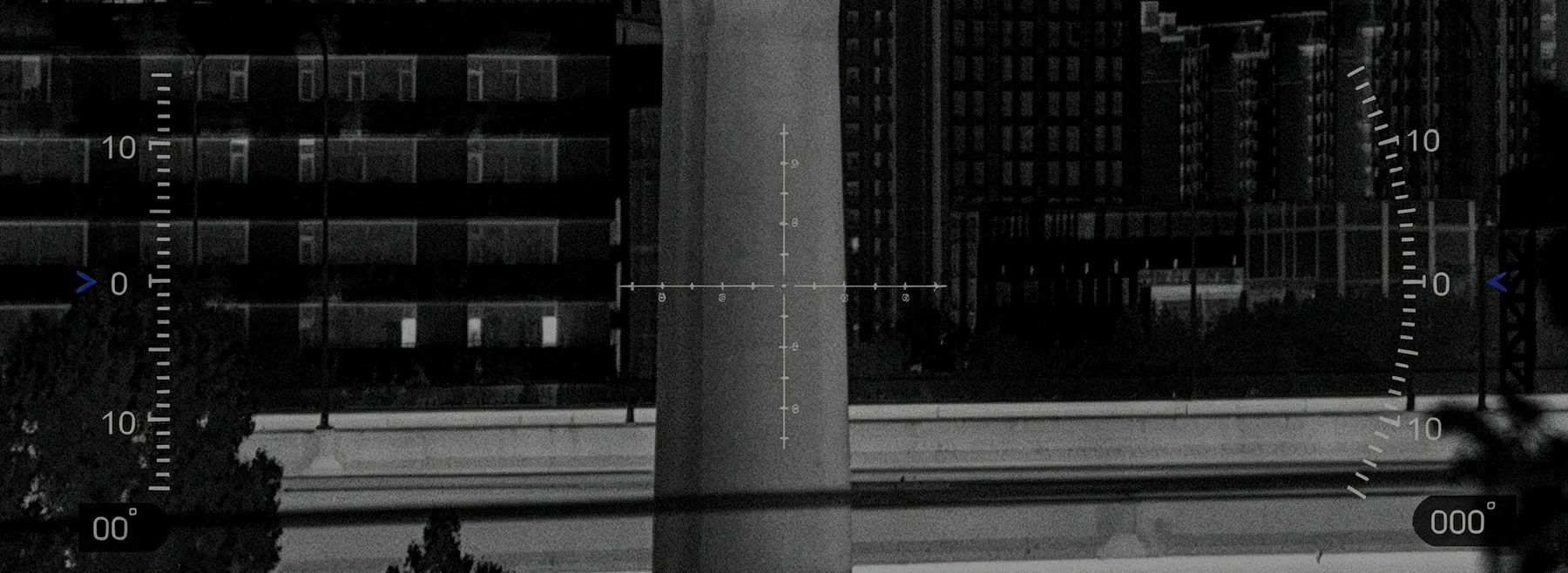
Built for Precision at Every Stage
Thermal imaging, image-intensifier and digital low-light devices, so each site gets the right sensor instead of one product for every task.

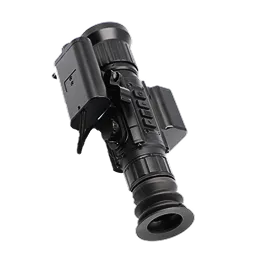
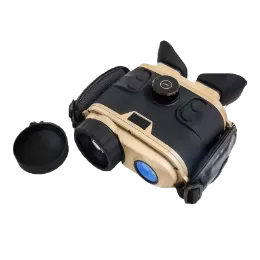
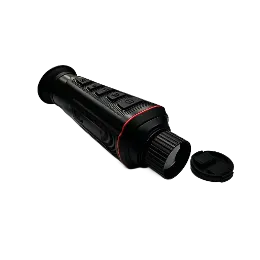
Person detection from 1,800 m on the JV-TSRII350 monocular to 3.0 km on the JV-650M binocular, in total darkness.

Fusion goggles such as the JV-FNV2105 overlay heat on the night vision view, extending person recognition to 200 m or more.

Eye-safe 1535 nm rangefinders with compass and satellite positioning turn each detection into a distance and a location.
A night surveillance system lets operators find, recognize and locate people and vehicles after dark, when visible-light cameras see little or nothing. JOVSTAR builds these systems from its own thermal imaging, image-intensifier and digital night vision, and laser ranging equipment, with person detection to 3.0 km on handheld thermal binoculars and eye-safe laser ranging with satellite positioning.
Start from the night conditions at your site: how dark it gets, whether there is smoke, haze or vegetation, the distance at which you must notice and recognize a person, and whether observers are on foot, at fixed posts or in vehicles. Then match each task to the technology below.
| Night task | Best technology | Typical JOVSTAR equipment | Key figure |
|---|---|---|---|
| Detect people and vehicles at distance | Thermal imaging | JV-650M binocular, JV-TSRII350 monocular | Person detection 3.0 km / 1,800 m |
| Move and search on foot | 1× image-intensifier or digital goggles | JV-NVB201, JV-NVD101 | Person recognition ≥100 m / ≥110 m with no moon |
| See heat and terrain detail together | Thermal fusion goggles | JV-FNV2105, JV-DNV2105 | Person recognition ≥200 m in fusion mode |
| Observe detail at distance | Magnified night vision | JV-NVD104, JV-NSR201 | Person recognition 500 m / ≥400 m |
| Shared viewing and recording at dusk | Full-color digital low light | JV-NVD8X-3.5 | Full color down to 0.001 lux, 2688×1520 |
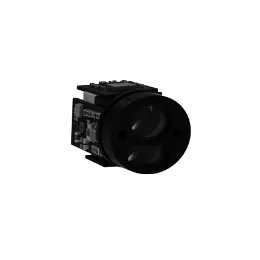
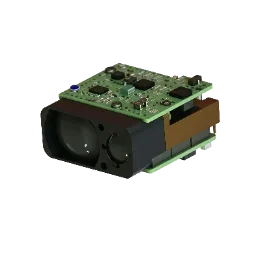
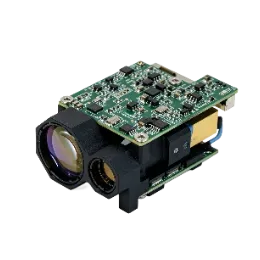
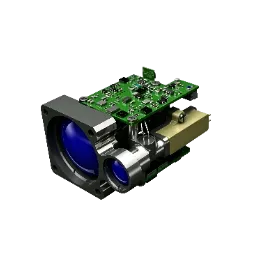
| Measure distance and position | 1535 nm laser ranging | JV-LRFM4 / LRFM8, JV-LRFM10 | Person ranging ≥3.2 / ≥4.5 km; target positioning ≤20 m |
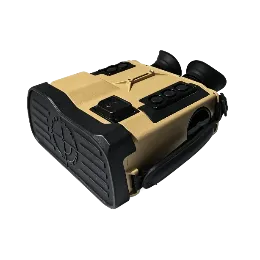
| Find, measure and record with one device | Multi-sensor binocular | JV-MFB675 series, 5-mode binocular | Thermal + daylight imaging, laser ranging to 6–12 km |
Ranges are each product’s stated values for its own targets and conditions; night vision recognition figures are for no-moon conditions. See each product page for full specifications.
No single sensor is best for every night task, which is why a surveillance system combines them.
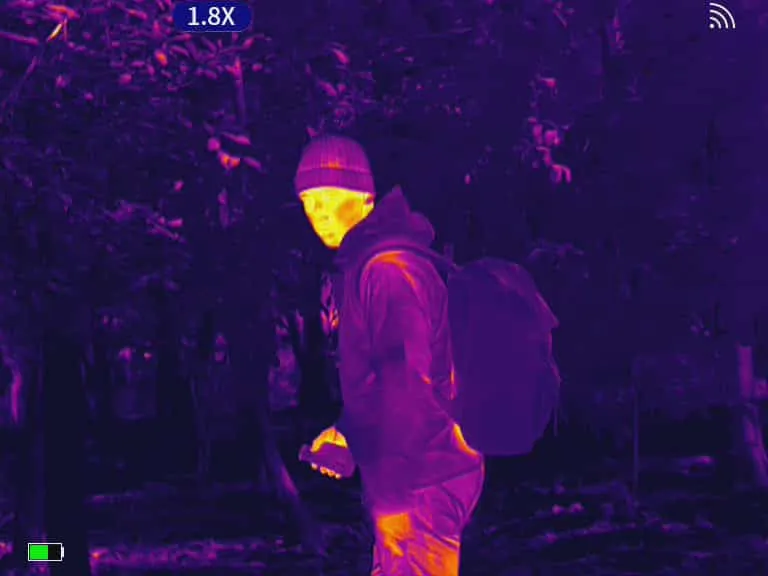
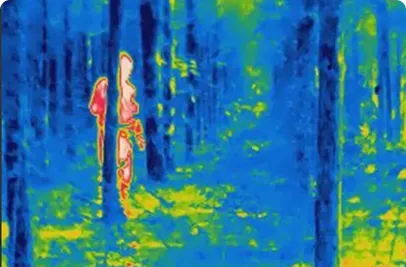
Thermal cameras see the heat that people, animals and engines give off, so they need no light at all and see through smoke and light haze. They are the detection layer: the JV-650M detects a person at 3.0 km and a vehicle at 6.5 km. Thermal images show shapes rather than faces or text, and they cannot see through glass or water. See the thermal imaging camera guide.
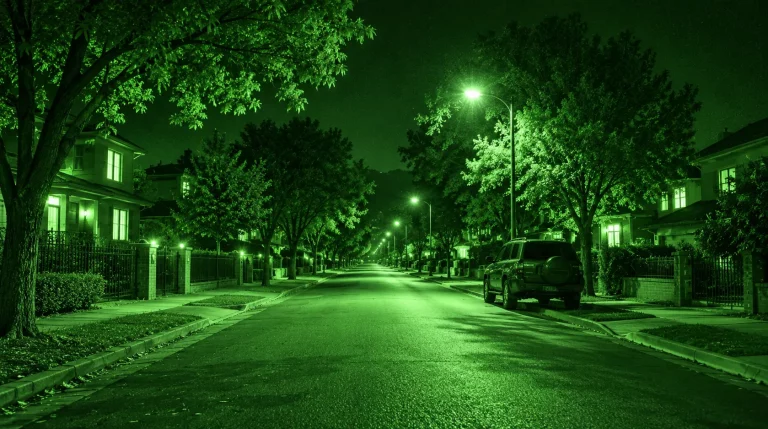
Image-intensifier goggles amplify starlight and sky glow into a sharp, natural image with no screen delay and long battery life: 60–100 hours on one CR123A for the JV-NVM201. They are the best choice for patrols that must walk or drive at night, but they need some ambient light or an infrared illuminator.
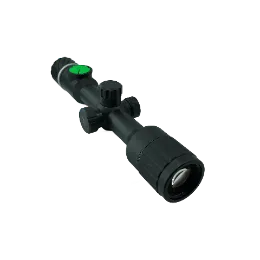
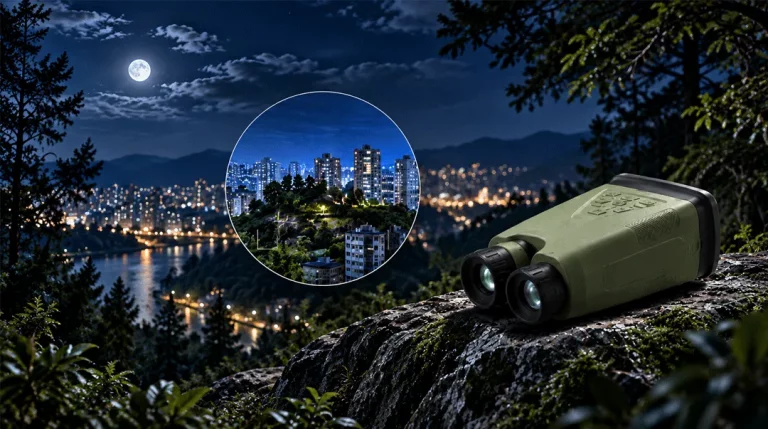
Digital devices use sensitive CMOS sensors, record photos and video, and can add an 850 nm infrared illuminator for complete darkness. The JV-NVD102 works down to 0.0001 lux; the JV-NVD8X-3.5 shows full-color images down to 0.001 lux on a 3.5-inch screen so several people can view at once.
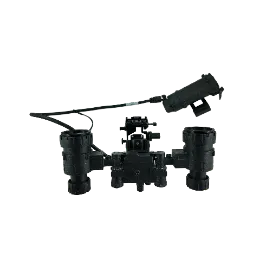
Fusion goggles overlay a thermal image on the night vision view, so a person hiding in shadow stands out while terrain detail stays visible. Person recognition extends from ≥120 m in low-light mode to ≥200 m in fusion mode on the JV-FNV2105 and JV-DNV2105. Read more in thermal fusion night vision goggles explained and Gen2+ vs Gen3 vs digital night vision.
Night range depends on the light available, the weather and the task: detecting that someone is there, or recognizing what they are.
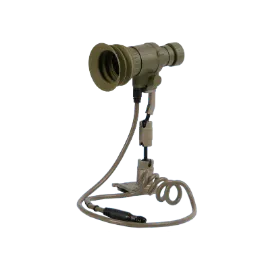
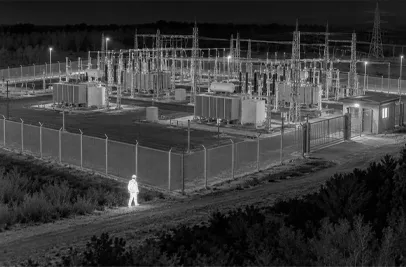
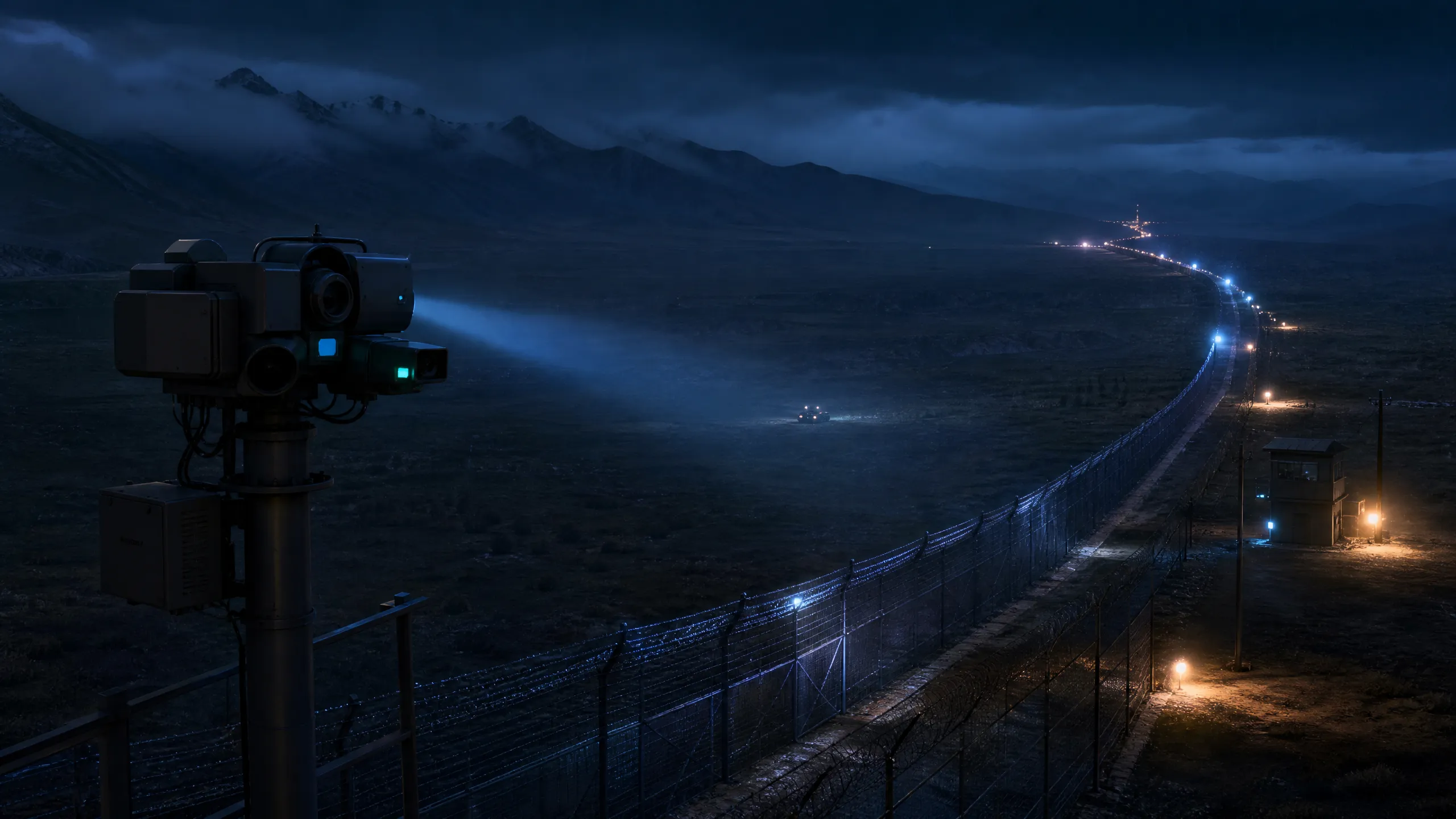
Plants, warehouses, campuses and utility sites need patrols that can see in dark corners and between buildings. Patrol teams carry 1× goggles such as the JV-NVB201 or the lighter digital JV-NVD101, with a thermal monocular such as the JV-TSRII350 for open ground. For long fenced perimeters and kilometer-range coverage, see the Border and Perimeter Security System Solution.
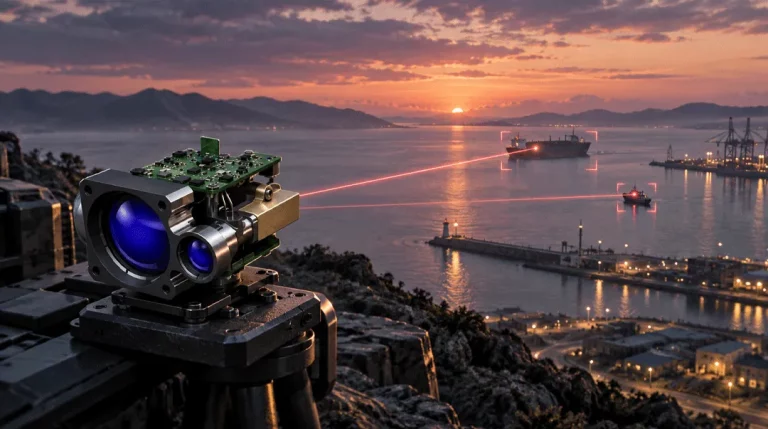
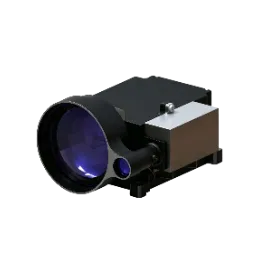
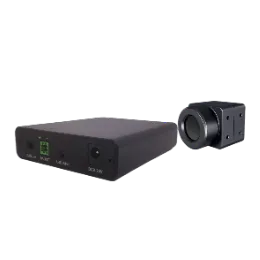
Open water and shorelines need long-range detection and distance measurement. A JV-650M or JV-MFB675 binocular at an observation post, paired with a JV-LRFM4 / LRFM8 rangefinder, detects and ranges people and boats; fixed installations can integrate laser modules such as the JV-LRF1508AD (person ranging ≥5,500 m, RS422) with thermal and visible cameras.
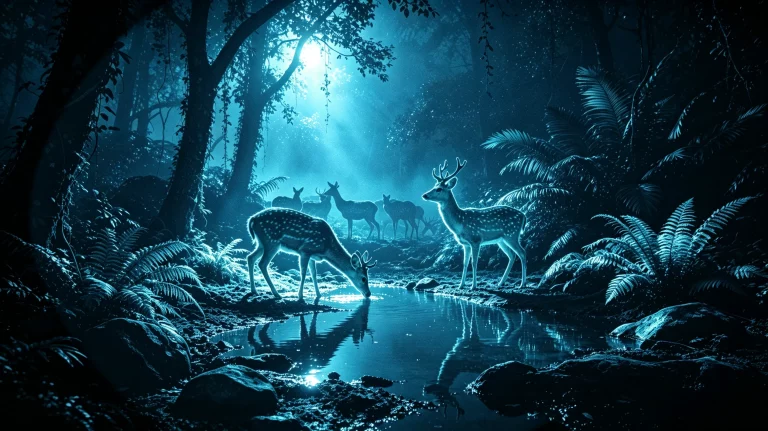
Vegetation hides people and animals from the naked eye but not from thermal imaging. Rangers use light handheld thermal devices such as the JV-HTMA213 (115 g) and JV-HTI625 (360 g), and fusion goggles for moving through terrain at night.
Search teams find people by body heat in darkness, smoke or undergrowth. The JV-HTM4125 / 4135 monoculars run for 5 hours and charge over USB; four-tube goggles such as the JV-NVF201 give a 100° horizontal view for moving safely, and a JV-LRFM10 gives the casualty’s position to ≤20 m.
JOVSTAR configures night surveillance equipment for each project, covering sensor selection, night vision and thermal fusion, laser ranging integration, mounting, power and interfaces, from technical proposal and prototyping to batch delivery. Equipment can be supplied as complete devices or as modules for your own systems.
Learn more about OEM & ODM customization, our factory and testing capabilities and R&D laboratories. ISO, CE and FCC certifications are shown on our About page.
Built for Precision at Every Stage.
Answers to Common Night Surveillance Questions
A night surveillance system combines sensors that detect, recognize and locate people and vehicles after dark. JOVSTAR systems use thermal imaging for detection in total darkness, image-intensifier, digital or fusion night vision for detail, and 1535 nm laser ranging with satellite positioning for distance and location.
They do different jobs. Thermal imaging needs no light and detects people farther away (3.0 km with the JOVSTAR JV-650M), while night vision shows terrain and detail for moving on foot. Fusion goggles such as the JV-FNV2105 combine both and recognize people at 200 m or more.
It depends on the equipment. The JV-TSRII350 thermal monocular detects a person at 1,800 m and the JV-650M binocular at 3.0 km; 1× night vision goggles recognize a person at about 100–120 m with no moon, and the magnified JV-NVD104 at 500 m.
Thermal imaging works in complete darkness because it sees heat, not light. Image-intensifier goggles need some starlight or an infrared illuminator, and digital devices can add an 850 nm illuminator; the JOVSTAR JV-NVD102 works down to 0.0001 lux.
Yes. JOVSTAR JV-LRFM4 and LRFM8 rangefinders range a person at 3.2 km and 4.5 km or more with BeiDou, GPS and GLONASS positioning, and the JV-LRFM10 gives target positioning to within 20 m.
Thermal imaging sees through smoke and light haze, but heavy fog, rain and high humidity shorten range for every sensor. The JV-650M is rated IP66 and the JV-LRFM10 IP67, and JOVSTAR tests equipment for temperature, vibration, water and dust protection, and salt spray.
Yes. JOVSTAR configures night surveillance equipment per project, covering sensors, fusion, laser ranging, mounting and interfaces, and supplies laser rangefinder modules such as the JV-LRF1508AD with RS422 output for integration with your own thermal and visible cameras.