


Cooled vs Uncooled Thermal Cameras: How to Choose
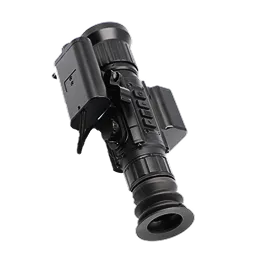
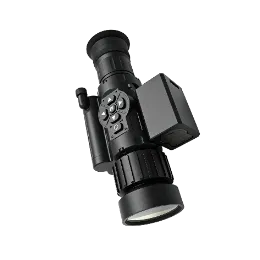
Choose an uncooled thermal camera for handheld observation, patrol, hunting, vehicles and inspection: it is light, starts in seconds and costs far less. Choose a cooled camera when you need the longest observation range with long zoom lenses, typically for border, coastal and wide-area surveillance. This guide explains the difference using JOVSTAR cooled and uncooled models. For the full range, see our thermal imaging camera selection guide.
The Short Answer
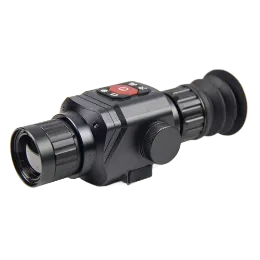
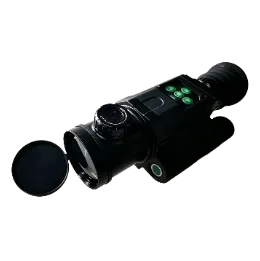
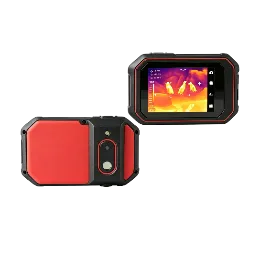
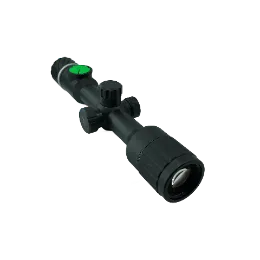
- Uncooled (8–14 μm): 115 g to about 2 kg, battery powered, ready in seconds. JOVSTAR uncooled models detect people from 550 m to 3.0 km.
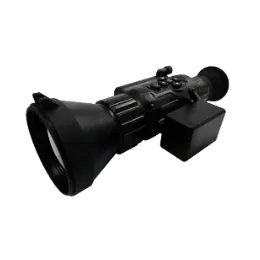
- Cooled (3.7–4.8 μm): about 3–4 kg in a binocular, with continuous zoom lenses up to 300 mm and laser ranging to 10–13 km. Built for the longest ranges.
How the Two Detectors Work
Uncooled microbolometers
An uncooled detector is an array of tiny thermal sensors, usually vanadium oxide (VOx). Each pixel warms slightly when infrared falls on it, and its resistance changes. It works at ambient temperature and senses long-wave infrared (LWIR, 8–14 μm). JOVSTAR uses uncooled VOx detectors from 256×192 to 640×512 with 12 or 17 μm pixels, and NETD from ≤20 mK on the JV-HTMA213 to 50 mK.
Cooled photon detectors
A cooled detector counts infrared photons directly. To do so without being swamped by its own heat, it is chilled to cryogenic temperature by a built-in cryocooler. JOVSTAR’s cooled binoculars use mercury cadmium telluride (MCT) detectors in the mid-wave infrared (MWIR) band: 640×512 with 15 μm pixels, a 3.7–4.8 μm band and NETD <25 mK on the HMF-6210C.
Side-by-Side Comparison
| Factor | Uncooled | Cooled |
|---|---|---|
| Spectral band | LWIR, 8–14 μm | MWIR, 3.7–4.8 μm |
| Sensitivity (JOVSTAR) | ≤20–50 mK | <25 mK |
| Typical lens | 13–75 mm fixed, F0.9–F1.2 | 40–200 mm or 15–300 mm zoom, F4.0 |
| Start-up | Seconds (≤3 s on JV-TSR scopes) | Minutes, while the cooler reaches temperature |
| Weight (JOVSTAR) | 115 g to ≤2.2 kg | ≤3.2 kg and ≤3.8 kg |
| Operating time (JOVSTAR) | About 5–8 h on most handhelds | ≥4 h continuous |
| Maintenance | No moving parts in the detector | The cryocooler has a finite service life |
| Cost | Lower | Much higher |
Why Cooled Cameras See Further
Range depends on how many pixels fall on the target, which depends on focal length. Long focal lengths need large lenses. An uncooled detector needs a fast lens (around F1.0) to collect enough energy, so a long uncooled lens becomes very large and heavy. A cooled detector is sensitive enough to work with a slower F4.0 lens, so long zoom lenses stay compact. The HMF-6210C zooms from 40 to 200 mm, and the JV-CTMFB655-13T from 15 to 300 mm, with fields of view down to 1.83° × 1.47°.
Continuous zoom also changes how the camera is used: the operator searches wide, then zooms in on a target without losing it.
LWIR vs MWIR in the Field
- LWIR (uncooled) suits objects near room or body temperature and generally sees well through smoke and dust.
- MWIR (cooled) gives high contrast and fine detail at long range, and is widely used for coastal and long-distance surveillance.
Both are affected by fog and heavy rain, and neither sees through glass.
When Each Type Makes Sense
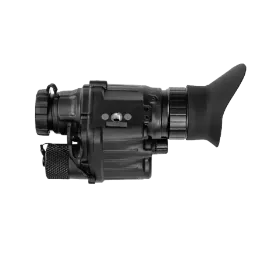
- Handheld patrol, search and hunting: uncooled. Weight, start-up time and battery life matter more than maximum range.
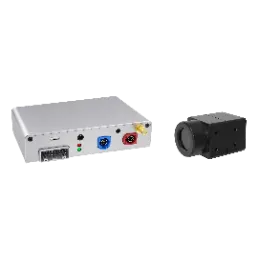
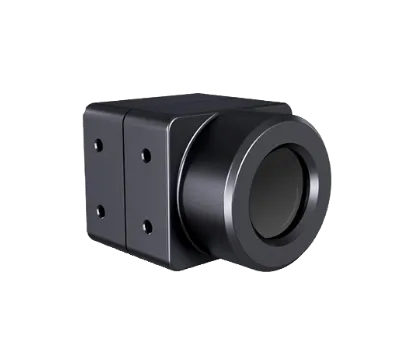
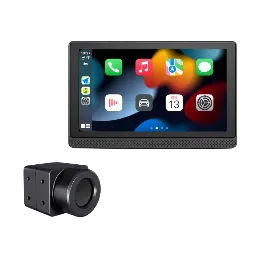
- Vehicle night vision: uncooled. JOVSTAR vehicle cameras use 8–14 μm VOx detectors in IP67 housings.
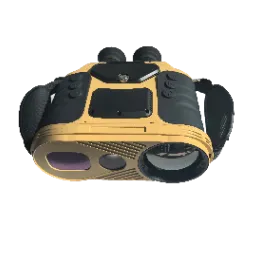
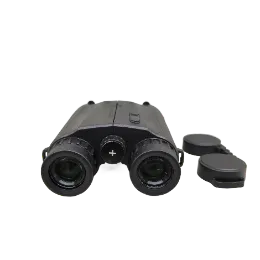
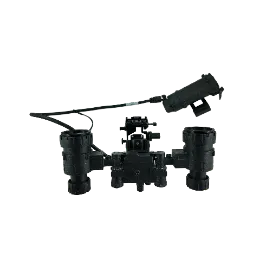
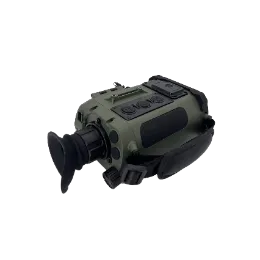
- Observation to several kilometers with ranging: uncooled multi-sensor binoculars such as the JV-MFB675 series (640×512, 75 mm, laser ranging to 12 km).
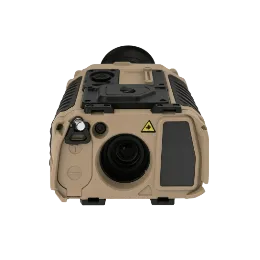
- Long-range border, coastal and wide-area surveillance: cooled, such as the HMF-6210C or JV-CTMFB655-13T with laser ranging to 10–13 km and satellite positioning.
Which JOVSTAR Thermal Camera Fits Your Project
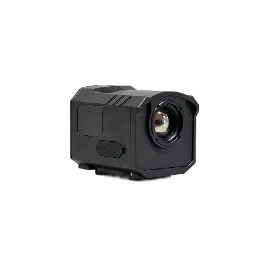
- Lightest uncooled option: JV-HTMA213, 115 g, ≤20 mK.
- Long-range uncooled binocular: JV-650M, person detection 3.0 km.
- Cooled with 40–200 mm zoom: HMF-6210C, laser ranging 50–8,000 m (max 10 km).
- Cooled dual-band with 15–300 mm zoom: JV-CTMFB655-13T, ranging ≥13 km on buildings.
If you are unsure which class your project needs, send us the target, the distance and the platform. Configurations can be adapted through our OEM and ODM service.
FAQ
Is a cooled thermal camera always better?
No. A cooled camera is more sensitive and supports long zoom lenses, but it is heavier, takes minutes to cool down and costs much more. For handheld, vehicle and inspection work, an uncooled camera is usually the better choice.
What wavelengths do cooled and uncooled cameras use?
JOVSTAR uncooled cameras sense long-wave infrared at 8–14 μm. The cooled HMF-6210C senses mid-wave infrared at 3.7–4.8 μm.
How far can JOVSTAR cooled binoculars range?
The HMF-6210C ranges 50–8,000 m (maximum 10 km) with its laser rangefinder, and the JV-CTMFB655-13T ranges ≥10 km on vehicles and ≥13 km on buildings.
Do uncooled cameras need maintenance?
Uncooled detectors have no cooler or moving parts in the detector, so they need little maintenance beyond keeping the lens clean and batteries charged.
Need Help Choosing the Right Product?
Tell us your application, target and operating conditions. The JOVSTAR engineering team will recommend a configuration and prepare a quote.
Get a Quote