
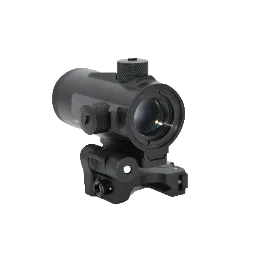
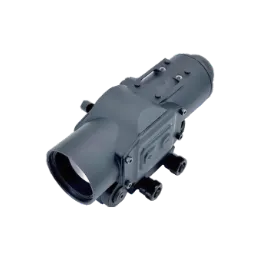
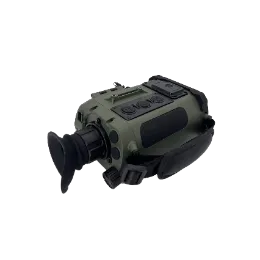
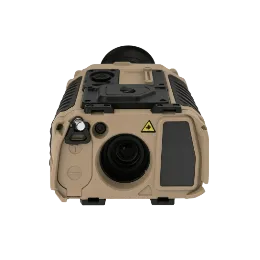


Night Vision Goggles: A Practical Guide to 8X Magnification Telescopes
Choosing the right night vision equipment can be difficult when buyers face different imaging technologies, magnification levels, and product configurations. A device that performs well in low light may not provide the recording, viewing comfort, or flexibility required for professional applications.
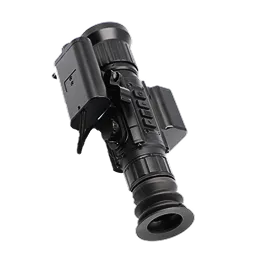
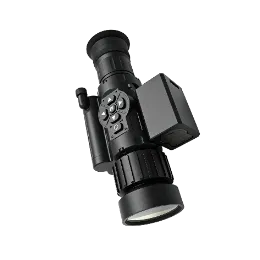
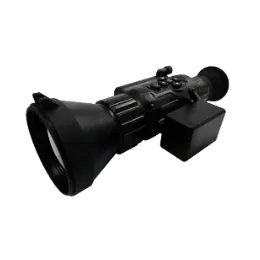
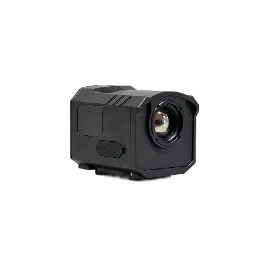
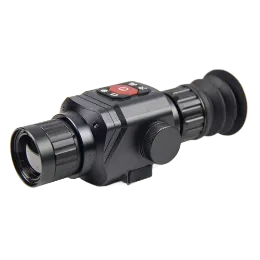
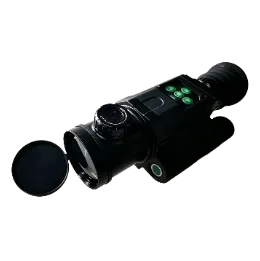
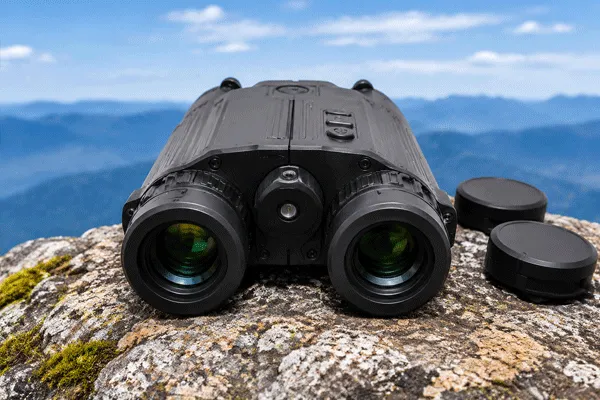
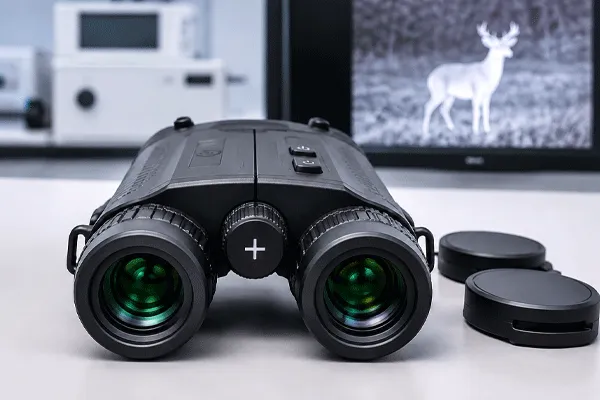
An 8X magnification night vision telescope combines digital imaging, low-light enhancement, infrared illumination, and image display technology. It can support daytime and nighttime observation, allowing users to view distant scenes, capture photos, and record videos through one portable device. The JOVSTAR JV-NVD8X-3.5 is one example of this equipment category.
Night Vision Goggles: A Practical Guide to 8X Magnification Telescopes
1. What Is an 8X Magnification Night Vision Telescope?
An 8X magnification night vision telescope is a digital observation device designed to enlarge distant scenes and improve visibility in low-light environments. Unlike traditional optical night vision goggles that rely on image intensifier tubes, digital night vision equipment uses an electronic image sensor, image processing, and a display to present the observed scene.
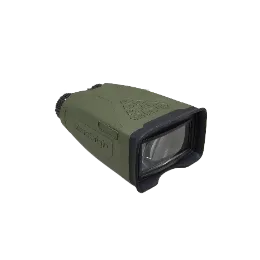
The JOVSTAR 8X digital night vision telescope, model JV-NVD8X-3.5, is designed for handheld observation during the day and at night. It uses AI-assisted full-color low-light imaging to present natural-looking images instead of relying exclusively on the traditional green phosphor appearance associated with image intensification.
Its main functions include:
- 8X digital zoom for enlarged observation.
- Full-color low-light imaging.
- 850nm infrared fill-light support.
- Photo shooting and video recording.
- Video playback.
- A 3.5-inch high-resolution display.
- A 10,000mAh battery.
These functions make the device suitable for outdoor observation, wildlife monitoring, camping, night patrol, and security observation.
For professional buyers, it is important to understand that this product is a digital night vision telescope rather than a conventional helmet-mounted night vision goggle. Its handheld design and large display provide a different operating experience from head-mounted binocular systems.
2. How Does Digital Night Vision Imaging Work?
Digital night vision uses an electronic sensor to collect available light and convert it into image information. The processor then enhances the captured signal and displays the resulting image on a screen.
This process differs from traditional image intensification, which amplifies incoming photons through a photocathode, microchannel plate, and phosphor screen.
AI-assisted low-light imaging
The JV-NVD8X-3.5 adopts AI low-light full-color night vision technology. Its minimum illumination specification reaches 0.001 lux, allowing the device to capture useful image information in very low ambient light.
The system combines a 2688×1520 imaging resolution, F1.0 aperture, and 30fps video frame rate. These features support detailed digital imaging in suitable low-light conditions.
Unlike conventional monochrome night vision, full-color digital imaging can help users distinguish scene elements through color information when sufficient light is available.
How does infrared illumination help?
When natural light becomes insufficient, infrared illumination can provide additional light for digital observation.
The device supports an 850nm infrared fill light. This infrared light is outside the normal visible spectrum for human vision, allowing the sensor to collect additional reflected infrared information without relying entirely on visible illumination.
Infrared-assisted observation is useful when the available light becomes too weak for normal full-color imaging.
However, infrared performance depends on the illuminator, target reflectivity, environmental conditions, and observation distance. Buyers should confirm the effective infrared illumination distance for their intended application rather than assuming that all infrared night vision equipment performs equally.
3. Is 8X Digital Zoom Enough for Long-Distance Observation?
Magnification is an important factor when selecting a night vision scope or telescope. However, buyers should understand the difference between optical magnification and digital zoom.
Digital zoom enlarges a selected portion of an image electronically, while optical magnification changes the image through the physical lens system.
The JV-NVD8X-3.5 supports 8X magnification through its digital observation system. Its fixed 25mm lens provides the optical input, while digital processing enlarges the displayed scene.
What does 8X digital zoom mean?
Digital zoom makes distant objects appear larger on the display. This can help users inspect selected areas without physically moving closer to the target.
However, digital zoom does not create additional original image information. As magnification increases, the image may appear softer because the system enlarges existing pixels.
For this reason, buyers should evaluate:
- Original sensor resolution.
- Optical lens configuration.
- Digital zoom performance.
- Image processing quality.
- Display resolution.
- Target distance and size.
A device with 8X digital zoom should not automatically be considered equivalent to a system with 8X optical magnification.
Likewise, 10X optical zoom and 8X digital zoom describe different imaging methods and should not be compared using magnification numbers alone.
Is 8X suitable for professional observation?
For outdoor observation, wildlife monitoring, and security patrol, 8X digital zoom can provide useful additional viewing flexibility.
The actual viewing result depends on the distance, lighting conditions, target dimensions, and original image quality.
The JV-NVD8X-3.5 also provides a manufacturer-specified daytime viewing distance of up to 1km. This is a daytime viewing specification, not a guaranteed nighttime recognition distance.
Buyers should request application-specific testing data when a project requires a defined recognition distance.
4. What Are the Main Specifications of the JOVSTAR JV-NVD8X-3.5?
When evaluating digital night vision binoculars or telescopes, technical specifications help buyers determine whether a product matches their requirements.
The JV-NVD8X-3.5 combines a low-light sensor, digital image processing, an integrated display, and infrared illumination support.
Core technical specifications
| Parameter | JV-NVD8X-3.5 |
|---|---|
| Product Type | Digital Night Vision Telescope |
| Imaging Technology | AI Full-Color Low-Light Imaging |
| Minimum Illumination | 0.001 Lux |
| Maximum Imaging Resolution | 2688×1520 |
| Video Frame Rate | 30fps |
| Magnification | 8X Digital |
| Lens Aperture | F1.0 |
| Focal Length | Fixed 25mm |
| Diagonal Field of View | 21° |
| Horizontal Field of View | 17° |
| Vertical Field of View | 10° |
| Display Size | 3.5 Inches |
| Display Resolution | 1920×1080 |
| Infrared Illumination | 850nm |
| Photo and Video Recording | Supported |
| Battery Capacity | 10,000mAh |
| Daytime Viewing Distance | Up to 1km |
| Operating Temperature | -10°C to +55°C |
| Net Weight | Approximately 650g |
These specifications provide a useful reference for comparing digital night vision equipment.
Why does sensor resolution matter?
The sensor captures the original image information before it is processed and displayed.
A 2688×1520 imaging resolution provides the source image for digital enlargement and recording. The 1920×1080 display presents the resulting image to the user.
These are two separate specifications.
Buyers should not confuse the sensor resolution with the screen resolution when evaluating image quality.
For distributors and equipment integrators, confirming both values helps prevent misunderstandings when comparing products from different manufacturers.

Night Vision Goggles: A Practical Guide to 8X Magnification Telescopes
5. How Important Are Optics and Field of View?
Optical configuration has a direct influence on the observation experience of any night vision device.
Although digital processing can enlarge images, the objective lens remains responsible for collecting available light and directing it toward the sensor.
Understanding the objective lens
The JV-NVD8X-3.5 uses a fixed 25mm focal-length lens with an F1.0 aperture.
The focal length influences the viewing angle, while the aperture affects how much light can enter the optical system.
A larger aperture can help collect more light under comparable conditions, which is important for low-light imaging.
For buyers comparing different night vision scopes, it is useful to consider the lens and sensor together rather than focusing only on the advertised zoom level.
Field of view and observation coverage
Field of view describes the visible area captured by the optical system.
The JV-NVD8X-3.5 provides:
- Diagonal field of view: 21°.
- Horizontal field of view: 17°.
- Vertical field of view: 10°.
A narrower field of view concentrates on a smaller section of the scene, which can be useful when examining distant objects.
A wider field of view provides more surrounding information and can make it easier to monitor a larger area.
There is no universally best field of view. The correct configuration depends on whether the project prioritizes distant detail, general environmental awareness, or flexible observation.
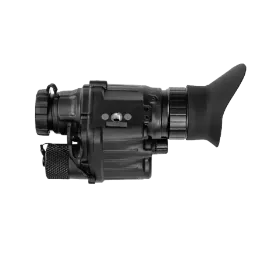
Binocular, monocular, and telescope designs
Different night vision equipment formats serve different operational needs.
| Equipment Type | Main Characteristics | Typical Considerations |
|---|---|---|
| Digital Night Vision Telescope | Handheld observation with electronic imaging and display | Recording, digital zoom, and screen size |
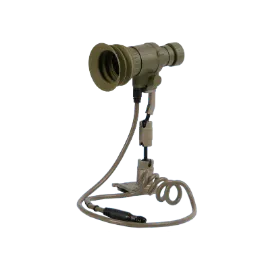
| Night Vision Monocular | Single-eye observation, often compact and portable | Weight, mounting, and low-light performance |
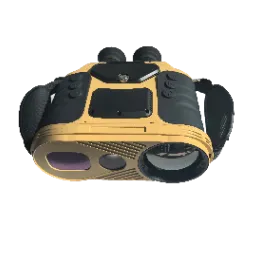
| Night Vision Binoculars | Two-eye observation | Comfort, interpupillary adjustment, and field of view |
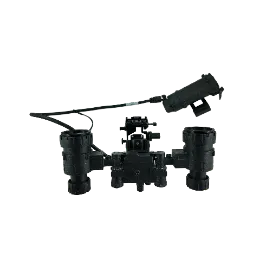
| Helmet-Mounted Night Vision Goggles | Hands-free observation | Weight distribution, eye relief, and mounting compatibility |
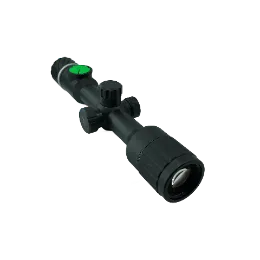
| Night Vision Scope | Dedicated optical observation format | Lens configuration and target viewing requirements |
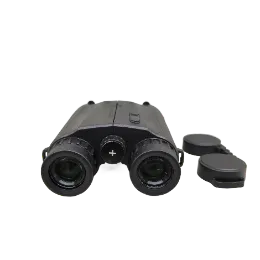
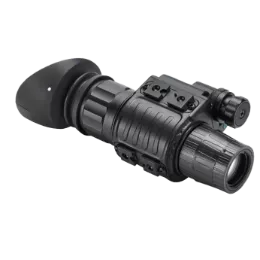
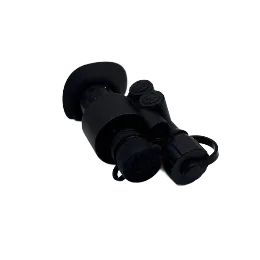
JOVSTAR provides different formats for professional buyers, including digital telescopes, low-light binoculars, monocular devices, and helmet-mounted systems.
Explore the JOVSTAR Night Vision Goggles product range to compare available configurations.
6. Can an 8X Night Vision Telescope Help Users See in Total Darkness?
Digital night vision performance depends on the amount of light reaching the image sensor.
Even highly sensitive low-light sensors need some incoming light to generate an image. When the environment becomes completely dark, infrared illumination can provide additional light.
The JV-NVD8X-3.5 supports 850nm infrared fill light, allowing it to operate in conditions where ordinary ambient light is insufficient.
Full-color imaging versus infrared-assisted imaging
These two operating conditions should be understood separately.
Full-color low-light imaging
When sufficient ambient light is available, the device uses its AI-assisted imaging technology to present full-color scenes.
This is useful for observing outdoor environments during dusk, dawn, and other low-light periods.
Infrared-assisted imaging
When natural illumination becomes too weak, infrared fill light helps the sensor collect additional image information.
The resulting image may differ from the full-color image because the infrared-assisted mode depends on infrared illumination rather than ordinary visible light.
What should buyers check?
For projects involving total darkness or very low illumination, buyers should confirm:
- Whether the infrared illuminator is included or optional.
- The infrared wavelength.
- Effective infrared illumination distance.
- Target reflectivity.
- Image clarity under the intended operating conditions.
- Whether the device supports continuous infrared operation.
The ability to see in the dark depends on the complete imaging and illumination system, not simply the presence of an infrared label.
7. How Do Recording, Battery Life, and Display Functions Affect Performance?
Modern digital night vision equipment offers functions beyond basic observation.
For many professional users, recording, playback, display quality, and battery capacity are important when selecting a portable observation instrument.
Photo and video recording
The JV-NVD8X-3.5 supports photo shooting, video recording, and video playback.
These functions can help users document field observations, review recorded information, and share visual records with other team members.
For example, wildlife researchers may use recording functions to document animal activity, while inspection personnel may capture images for later review.
Before purchasing, buyers should confirm the supported file formats, memory card capacity, storage interface, and whether a memory card is included.
Large-screen viewing
The integrated 3.5-inch display offers a resolution of 1920×1080.
A larger display makes it easier to review images and videos compared with some compact eyepiece-based night vision devices.
For users who need to share observation information with colleagues, a screen-based design can also provide a convenient viewing experience.
Battery capacity and operating time
The device uses a 10,000mAh battery.
Battery capacity is important because digital imaging sensors, image processors, displays, and infrared illumination all consume electrical power.
However, battery capacity alone does not determine actual operating time.
Display brightness, infrared usage, recording activity, ambient temperature, and operating modes can all influence battery life.
Buyers should request the manufacturer’s measured continuous operating time under clearly defined test conditions.
For bulk procurement, it is also useful to confirm charging arrangements, battery replacement procedures, and whether spare rechargeable battery solutions are available.
8. How Does Digital Night Vision Compare with Traditional Image Intensifier Goggles?
Digital night vision and traditional image intensifier night vision use different technologies.
Digital systems use electronic sensors and displays, while image intensifier systems amplify available light through specialized optical and electronic components.
Main technology differences
| Comparison | Digital Night Vision | Image Intensifier Night Vision |
|---|---|---|
| Imaging Core | CMOS sensor and processor | Image intensifier tube |
| Image Presentation | Electronic display | Phosphor screen and optical eyepiece |
| Color Imaging | Full color may be available | Usually green or white phosphor |
| Photo Recording | Supported on selected models | Not normally built into the tube |
| Video Recording | Supported on selected models | Requires additional recording equipment |
| Infrared Assistance | Used when available light is insufficient | Available on selected devices |
| Magnification | Digital or optical, depending on model | Optical magnification and optional magnifiers |
| Battery Requirements | Sensor, processor, display, and IR system | Image intensifier power system |
Traditional image intensifier devices use different generations of technology, including Gen 1, Gen 2, Gen 2+, and Gen 3.
The image intensifier tube contains a photocathode, microchannel plate, and phosphor screen. These components amplify available light to produce a visible image.
Green phosphor and white phosphor are two common image presentation options.
JOVSTAR supplies both digital night vision devices and traditional image intensifier products, allowing professional buyers to select equipment according to their operating requirements.
For a more detailed comparison of these technologies, read our existing article:
Gen2+ vs Gen3 vs Digital Night Vision: How to Choose.
Night Vision Goggles: A Practical Guide to 8X Magnification Telescopes
This article focuses on the practical selection of the 8X digital telescope rather than repeating the technical comparison of image intensifier generations.
9. What Should Buyers Consider When Comparing 4K Night Vision Binoculars and Digital Scopes?
The night vision market includes many products promoted with terms such as 4K, HD, digital zoom, and long-range observation.
However, these descriptions do not always represent the same technical capabilities.
For distributors and professional procurement teams, comparing the underlying specifications is more reliable than choosing products based on marketing labels.
Is 4K always better than 2688×1520?
A 4K UHD image typically uses a resolution of 3840×2160 pixels.
The JV-NVD8X-3.5 uses a maximum imaging resolution of 2688×1520. It should therefore not be marketed as a native 4K night vision telescope.
Buyers comparing 4K night vision binoculars with other digital devices should examine:
- Actual sensor resolution.
- Display resolution.
- Frame rate.
- Lens aperture.
- Image processing.
- Digital zoom performance.
A product with a higher advertised resolution does not automatically provide better low-light performance.
How should buyers compare brands?
When evaluating products from JOVSTAR, ATN, or other night vision equipment manufacturers, procurement teams should compare actual technical specifications and application suitability.
Important factors include:
- Sensor performance under low illumination.
- Optical lens configuration.
- Digital zoom and image clarity.
- Infrared illumination capability.
- Recording and storage functions.
- Battery capacity and operating time.
- Housing durability and environmental protection.
- Technical support and product supply stability.
A best-budget product may be suitable for basic observation, while professional buyers may prioritize long-term reliability, technical compatibility, and consistent product quality.
The right choice depends on the intended application and purchasing requirements.
10. How to Choose the Best Night Vision Equipment for Professional Applications?
The best night vision device is not necessarily the product with the highest magnification or the largest display.
A suitable device should match the actual observation task, working environment, required functions, and procurement budget.
Outdoor observation and wildlife monitoring
For outdoor observation, a portable digital telescope with full-color low-light imaging, digital zoom, and recording functions may provide a practical combination.
The JV-NVD8X-3.5 is designed for this type of observation, supporting daytime and nighttime use, photo capture, and video recording.
Night patrol and security monitoring
For security observation and patrol activities, buyers should evaluate image clarity, infrared assistance, display convenience, battery capacity, and operating temperature.
If the application requires hands-free operation, a helmet-mounted night vision monocular or binocular system may be more suitable than a handheld telescope.
Professional procurement and distribution
For importers, distributors, and wholesale buyers, product specifications are only one part of the purchasing decision.
Other considerations include:
- Stable manufacturing and product consistency.
- Available technical documentation.
- OEM/ODM customization options.
- Packaging and private-label requirements.
- Spare parts and after-sales support.
- Long-term product availability.
JOVSTAR provides professional night vision equipment and optoelectronic solutions for international B2B customers.
Its product portfolio includes digital night vision telescopes, night vision monoculars, binocular goggles, image intensifier tubes, and other observation equipment.
For projects requiring customized product configurations, buyers can discuss their requirements directly with the manufacturer.
Key Takeaways
- An 8X digital night vision telescope provides enlarged electronic observation for daytime and nighttime applications.
- The JOVSTAR JV-NVD8X-3.5 uses AI-assisted full-color low-light imaging with a minimum illumination specification of 0.001 lux.
- Its main specifications include 2688×1520 imaging resolution, a 25mm F1.0 lens, a 3.5-inch 1920×1080 display, and 8X digital zoom.
- The device supports 850nm infrared fill light, photo shooting, video recording, and playback.
- Digital zoom should not be confused with optical magnification.
- Sensor resolution and display resolution are different specifications.
- Buyers should evaluate the complete imaging system, battery capacity, infrared performance, and operating requirements.
- JOVSTAR offers multiple night vision formats and OEM/ODM support for international B2B customers.
Looking for a Reliable Night Vision Telescope Manufacturer?
JOVSTAR provides professional digital night vision telescopes, monocular devices, binocular goggles, and customized optoelectronic equipment for global distributors, importers, and system integrators.
Contact our team to discuss your product requirements, technical specifications, and OEM/ODM cooperation opportunities.
FAQ
What is an 8X magnification night vision telescope?
It is a digital observation device that enlarges the displayed image through digital zoom. The JOVSTAR JV-NVD8X-3.5 combines 8X digital magnification, AI-assisted full-color low-light imaging, infrared illumination support, and photo and video recording.
Can the JV-NVD8X-3.5 work in complete darkness?
The device supports 850nm infrared fill light, which helps provide additional illumination when natural light is insufficient. Actual observation performance depends on infrared illumination, target characteristics, and environmental conditions.
Does 8X digital zoom mean 8X optical magnification?
No. Digital zoom enlarges the electronic image, while optical magnification changes the image through the physical lens system. Buyers should distinguish these two technologies when comparing night vision scopes.
Is the JV-NVD8X-3.5 a 4K night vision telescope?
No. Its maximum imaging resolution is 2688×1520, while its integrated display resolution is 1920×1080. It should not be described as a native 4K device.
What is the difference between a digital night vision telescope and a night vision monocular?
A digital telescope typically provides a screen-based observation and recording experience. A night vision monocular generally uses a single-eye optical viewing structure and may support handheld or helmet-mounted operation. The appropriate format depends on portability, viewing preferences, and application requirements.
Can JOVSTAR provide OEM/ODM night vision equipment?
Yes. JOVSTAR provides OEM/ODM services for professional optoelectronic equipment. Buyers can discuss product configuration, hardware requirements, branding, and project-specific development with the engineering team.
Need Help Choosing the Right Product?
Tell us your application, target and operating conditions. The JOVSTAR engineering team will recommend a configuration and prepare a quote.
Get a Quote